THE ADVENTURE COLLECTIVE® · Independent discovery and booking for outdoor travel

Stroll shaded avenues of historic botanical specimens, then visit a working cocoa farm to learn how Tetteh Quarshie helped shape Ghana’s agricultural story. This half- to full-day tour pairs easy walking with rich local context.
Stroll shaded avenues of historic botanical specimens, then visit a working cocoa farm to learn how Tetteh Quarshie helped shape Ghana’s agricultural story. This half- to full-day tour pairs easy walking with rich local context.
Morning mist lifts off the ridgeline as you step into Aburi Botanical Gardens — broad-leafed mahoganies and towering oil palms shading a stone path that invites slow, deliberate footsteps. The air smells of damp earth and citrus; leaves whisper and the Gardens seem to watch, urging you forward toward the viewpoints that open across the coastal plain.
Verified experiences and guided adventures in the surrounding area.
Operated by Easytourgh · Aburi, Eastern Region
Morning mist lifts off the ridgeline as you step into Aburi Botanical Gardens — broad-leafed mahoganies and towering oil palms shading a stone path that invites slow, deliberate footsteps. The air smells of damp earth and citrus; leaves whisper and the Gardens seem to watch, urging you forward toward the viewpoints that open across the coastal plain.
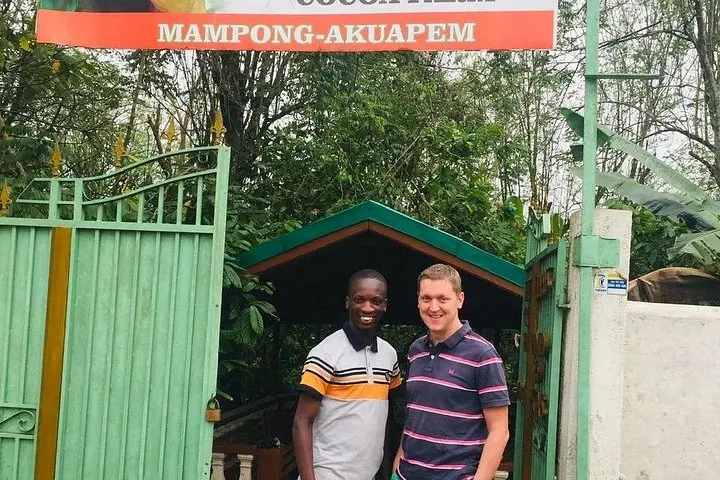
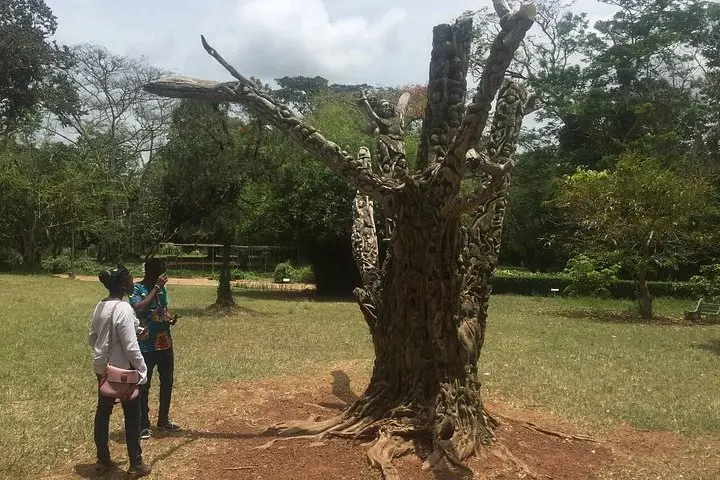
Established in the late 19th century during the colonial era, Aburi Gardens doubled as an experimental station for acclimating imported species; its layout still reflects Victorian-era planning, with specimen trees labeled for study. Nearby, Tetteh Quarshie Farms carries Ghana’s agricultural legacy: a working cacao plot and small-scale crops that tell the story of cocoa’s central role in the nation’s economy and culture.
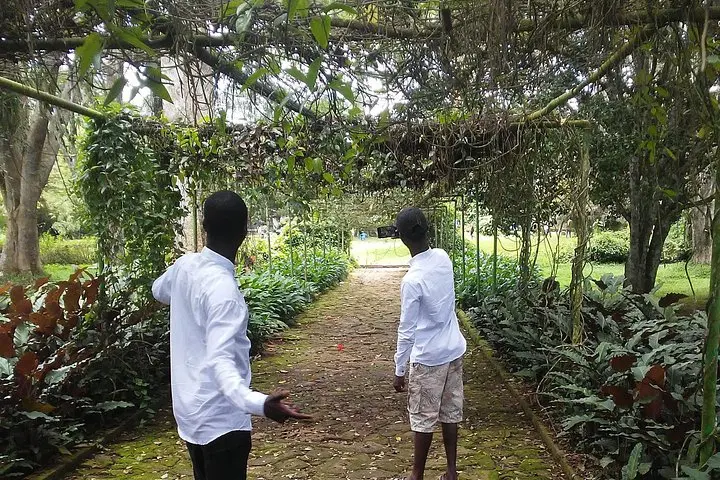
Expect a mix of shaded botanical walks, brief farm demonstrations, and clear chances to meet local guides who explain tree uses and traditional farming methods. Terrain is gentle: paved and compacted paths with occasional uneven roots and light slopes. Birdsong fills the canopy and small monkeys sometimes dart through branches, adding motion to stillness.
Practical notes: tours run 1–5 hours; private transportation is typical and many operators include entrance. Wear sturdy walking shoes, bring sun protection and water, and time visits for morning or late afternoon to avoid midday heat. Respect crop plots and ask before photographing people working. This outing pairs short, interpretive nature walks with tangible cultural context — a compact, accessible introduction to the botanical and agricultural heart of Ghana’s Eastern Region.
Many tour options include private transportation from Accra; confirm pickup details when booking.
The Gardens state wheelchair-accessible areas and transport options, but some paths have roots and slight slopes—check with your operator about specific access needs.
Itineraries range from about 1 hour up to 5 hours depending on stops, demonstrations, and round-trip transport time from Accra.
Some operators include entrance and farm demonstrations—verify inclusion on your booking confirmation.
Easytourgh operates guided outdoor trips and adventures with an emphasis on safety, stewardship, and memorable experiences.
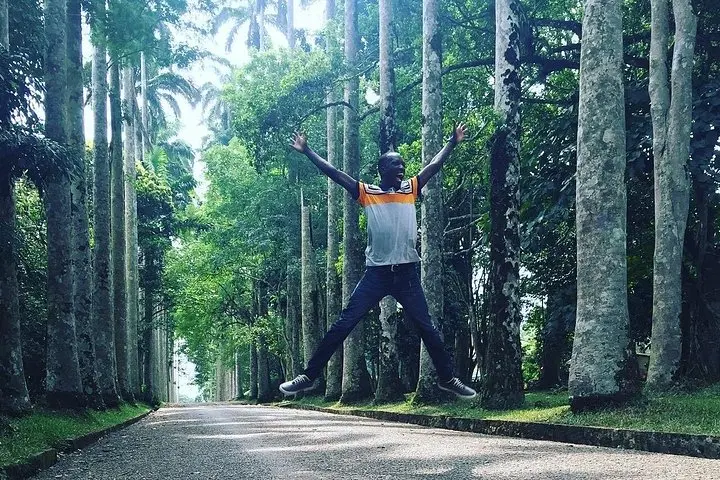
Morning mist lifts off the ridgeline as you step into Aburi Botanical Gardens — broad-leafed mahoganies and towering oil palms shading a stone path that invites slow, deliberate footsteps. The air smells of damp earth and citrus; leaves whisper and the Gardens seem to watch, urging you forward toward the viewpoints that open across the coastal plain.
Morning mist lifts off the ridgeline as you step into Aburi Botanical Gardens — broad-leafed mahoganies and towering oil palms shading a stone path that invites slow, deliberate footsteps. The air smells of damp earth and citrus; leaves whisper and the Gardens seem to watch, urging you forward toward the viewpoints that open across the coastal plain.
Established in the late 19th century during the colonial era, Aburi Gardens doubled as an experimental station for acclimating imported species; its layout still reflects Victorian-era planning, with specimen trees labeled for study. Nearby, Tetteh Quarshie Farms carries Ghana’s agricultural legacy: a working cacao plot and small-scale crops that tell the story of cocoa’s central role in the nation’s economy and culture.
Expect a mix of shaded botanical walks, brief farm demonstrations, and clear chances to meet local guides who explain tree uses and traditional farming methods. Terrain is gentle: paved and compacted paths with occasional uneven roots and light slopes. Birdsong fills the canopy and small monkeys sometimes dart through branches, adding motion to stillness.
Practical notes: tours run 1–5 hours; private transportation is typical and many operators include entrance. Wear sturdy walking shoes, bring sun protection and water, and time visits for morning or late afternoon to avoid midday heat. Respect crop plots and ask before photographing people working. This outing pairs short, interpretive nature walks with tangible cultural context — a compact, accessible introduction to the botanical and agricultural heart of Ghana’s Eastern Region.