THE ADVENTURE COLLECTIVE® · Independent discovery and booking for outdoor travel

Explore Abydos’ painted reliefs at Seti I and the astrological ceiling of Denderah’s Hathor temple on a private day tour from Luxor. Expect guided context, short walks on uneven stone, and a six-to-eight hour cultural exploration.
Explore Abydos’ painted reliefs at Seti I and the astrological ceiling of Denderah’s Hathor temple on a private day tour from Luxor. Expect guided context, short walks on uneven stone, and a six-to-eight hour cultural exploration.
The day begins before the heat, windows of the air-conditioned vehicle framing fields that slow from green to ochre as the Nile’s reach thins. By midmorning the car pulls into the dry sweep of Abydos; stone walls seem to hold their breath and the reliefs of Seti I watch steadily back.
Verified experiences and guided adventures in the surrounding area.
Operated by Oman Day Tours · Luxor, Luxor Governorate
The day begins before the heat, windows of the air-conditioned vehicle framing fields that slow from green to ochre as the Nile’s reach thins. By midmorning the car pulls into the dry sweep of Abydos; stone walls seem to hold their breath and the reliefs of Seti I watch steadily back.
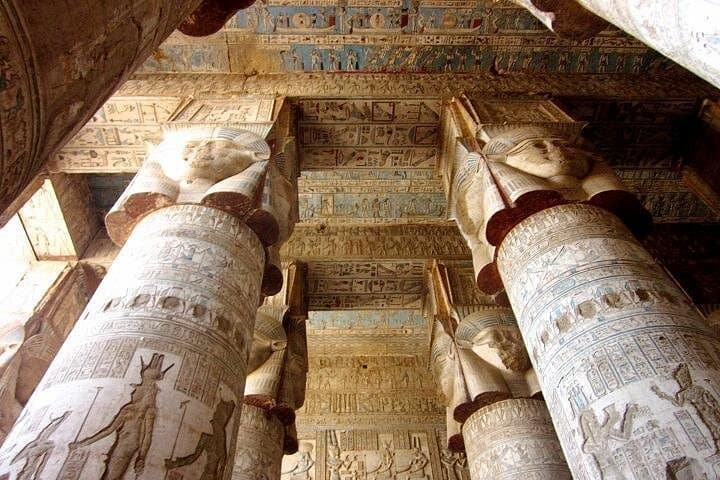
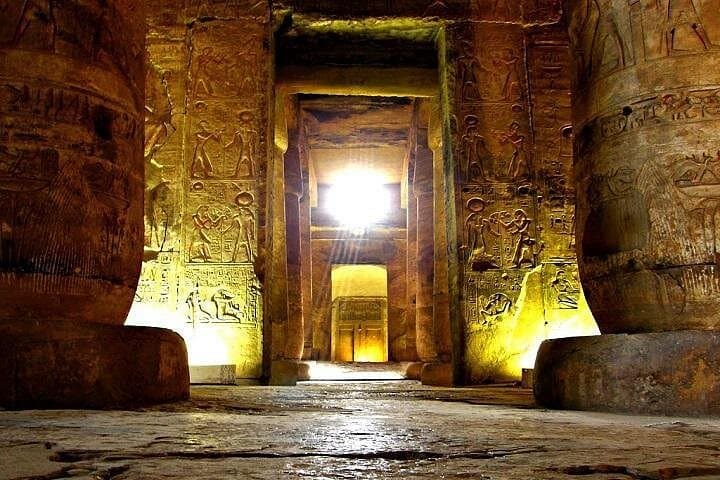
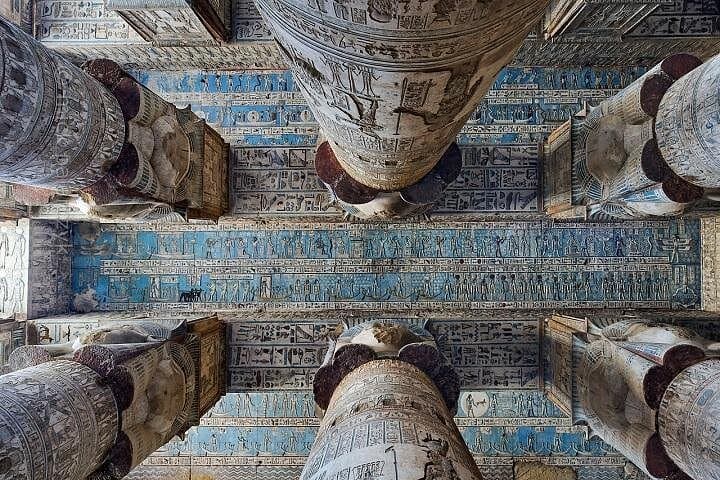
Abydos is one of ancient Egypt’s pilgrimage sites, the principal center of Osiris worship where kings carved their ties to eternity. Seti I’s inner sanctums still wear painted hieroglyphs with surprising color, while the nearby Ramesses II reliefs record the tactics of the Battle of Qadesh—stone as record, not myth. Later the tour moves east to Denderah, where the Temple of Hathor greets visitors with columns topped by cow-headed capitals, a sacred lake, and the celebrated astrological ceiling whose carved constellations chart a sky the ancients used to mark festivals and fate.
The geology is simple: low desert rock and river-borne silt left stone clear to be worked; the architecture sits atop stable ground that preserved pigment and plaster. Cultural notes matter—temples were living places of ritual, not museums; a private Egyptologist guide (included) brings context to iconography, ritual space, and daily temple life.
Plan for six to eight hours total. Wear sturdy shoes for uneven stone, sun protection, and carry water—the sites have limited shade and lots of stairs. Photography rules vary (flash often prohibited). Expect short walks, stair climbs, and frequent stops for explanation. Timing your visit early or late in the day keeps temperatures comfortable and light flattering for photographing reliefs and the astrological roof.
Expect a full day—roughly 6–8 hours including driving time and site visits.
Yes; entrance fees to Abydos and Denderah are included in the tour price.
Children can join, but the sites include stairs and uneven ground; it’s not recommended for travelers with serious mobility issues or spinal conditions.
Yes in most outdoor areas, but flash is often prohibited in painted chambers—follow your Egyptologist guide’s directions.
Oman Day Tours operates guided outdoor trips and adventures with an emphasis on safety, stewardship, and memorable experiences.
The day begins before the heat, windows of the air-conditioned vehicle framing fields that slow from green to ochre as the Nile’s reach thins. By midmorning the car pulls into the dry sweep of Abydos; stone walls seem to hold their breath and the reliefs of Seti I watch steadily back.
The day begins before the heat, windows of the air-conditioned vehicle framing fields that slow from green to ochre as the Nile’s reach thins. By midmorning the car pulls into the dry sweep of Abydos; stone walls seem to hold their breath and the reliefs of Seti I watch steadily back.
Abydos is one of ancient Egypt’s pilgrimage sites, the principal center of Osiris worship where kings carved their ties to eternity. Seti I’s inner sanctums still wear painted hieroglyphs with surprising color, while the nearby Ramesses II reliefs record the tactics of the Battle of Qadesh—stone as record, not myth. Later the tour moves east to Denderah, where the Temple of Hathor greets visitors with columns topped by cow-headed capitals, a sacred lake, and the celebrated astrological ceiling whose carved constellations chart a sky the ancients used to mark festivals and fate.
The geology is simple: low desert rock and river-borne silt left stone clear to be worked; the architecture sits atop stable ground that preserved pigment and plaster. Cultural notes matter—temples were living places of ritual, not museums; a private Egyptologist guide (included) brings context to iconography, ritual space, and daily temple life.
Plan for six to eight hours total. Wear sturdy shoes for uneven stone, sun protection, and carry water—the sites have limited shade and lots of stairs. Photography rules vary (flash often prohibited). Expect short walks, stair climbs, and frequent stops for explanation. Timing your visit early or late in the day keeps temperatures comfortable and light flattering for photographing reliefs and the astrological roof.