THE ADVENTURE COLLECTIVE® · Independent discovery and booking for outdoor travel

Ride Acadia’s car‑free carriage roads on a fat‑tire e‑bike from Bar Harbor. Expect shaded gravel lanes, granite bridges, ponds with beaver activity and guide‑led natural history in a relaxed 3–4 hour outing.
Ride Acadia’s car‑free carriage roads on a fat‑tire e‑bike from Bar Harbor. Expect shaded gravel lanes, granite bridges, ponds with beaver activity and guide‑led natural history in a relaxed 3–4 hour outing.
The ride begins on a cool Bar Harbor morning: tires crunch the compacted crushed-stone of Acadia’s carriage roads, spruce and granite edging the path as gulls call from the nearby coastline. Guides fit you with a fat‑tire e‑bike and helmet, and the group moves at an easy, restorative pace—stopping at overlooks, quiet ponds and cascading streams where beavers work at their lodges.
Verified experiences and guided adventures in the surrounding area.
Operated by Maine State Kayak and E-Bike · Bar Harbor, Maine
The ride begins on a cool Bar Harbor morning: tires crunch the compacted crushed-stone of Acadia’s carriage roads, spruce and granite edging the path as gulls call from the nearby coastline. Guides fit you with a fat‑tire e‑bike and helmet, and the group moves at an easy, restorative pace—stopping at overlooks, quiet ponds and cascading streams where beavers work at their lodges.
The carriage roads themselves are part of Acadia’s early 20th‑century legacy—about 45 miles of car‑free routes commissioned by John D. Rockefeller Jr. and built with granite bridges and low, rolling grades. Geology here is exposed coastal granite sculpted by glaciers; the route alternates between shaded hardwood corridors and open viewpoints that frame Mount Desert Island’s rocky shore.
Culturally the ride threads through landscapes long used by Wabanaki people and later shaped by conservation-minded philanthropy; guides commonly share natural history and local stories as you roll. Wildlife sightings skew toward beaver, songbirds and the occasional deer, while peregrine falcons patrol cliffs overhead.
Practical guidance: expect a 3–4 hour outing; pace and stops mean distance varies, typically under 15 miles on compacted gravel with modest cumulative elevation. Helmets and bottled water are provided; wear closed‑toe shoes and a wind layer. Battery assist makes climbs manageable but basic e‑bike handling and moderate fitness help you enjoy the full loop. Timing rides for morning or late afternoon avoids peak crowds and offers better light for photos.
This experience suits travelers who want a low‑impact, interpretive way to see Acadia beyond the car—bring a camera, dress in layers and follow your guide’s route notes for the best overlooks and wildlife windows.
No — tours accommodate beginners; guides provide a short orientation and keep the pace steady, though basic bike balance is required.
Age/height policies vary by operator; many require riders to be at least mid‑teens and tall enough to safely straddle the bike—confirm when booking.
Yes — helmets and bottled water are included, but bring extra water and personal hydration if you prefer more than one bottle.
Tours may cancel or reschedule for heavy rain, high wind or unsafe conditions; operators typically offer full refunds if canceled 24+ hours ahead.
Maine State Kayak and E-Bike operates guided outdoor trips and adventures with an emphasis on safety, stewardship, and memorable experiences.
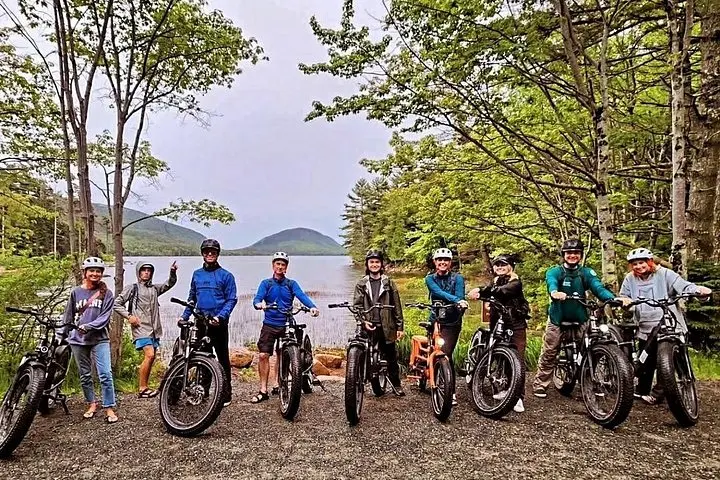
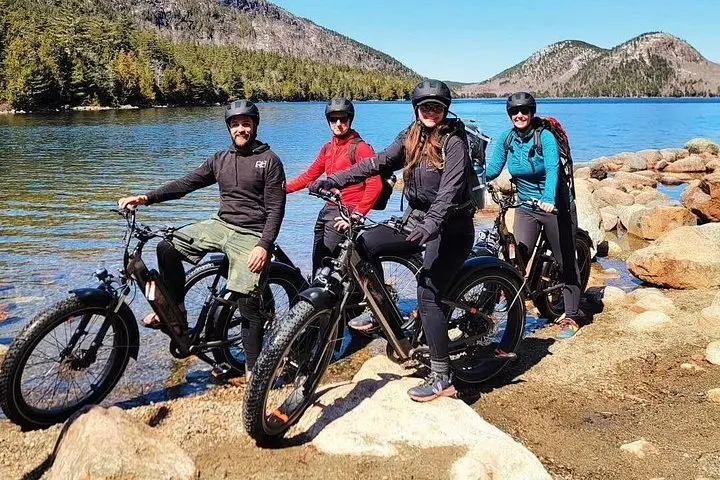
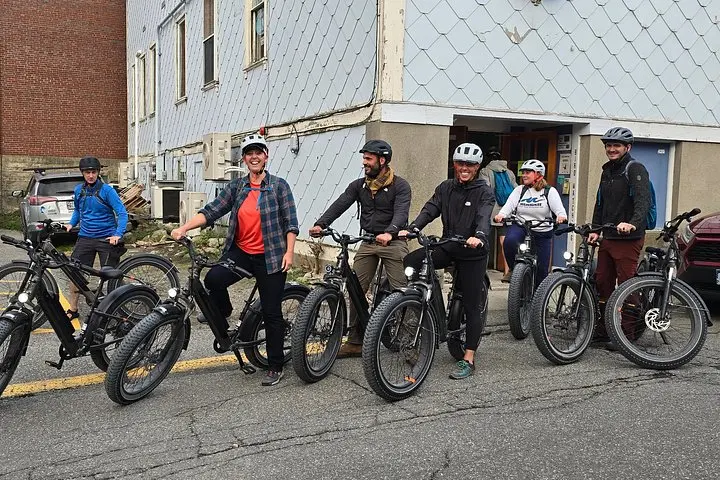
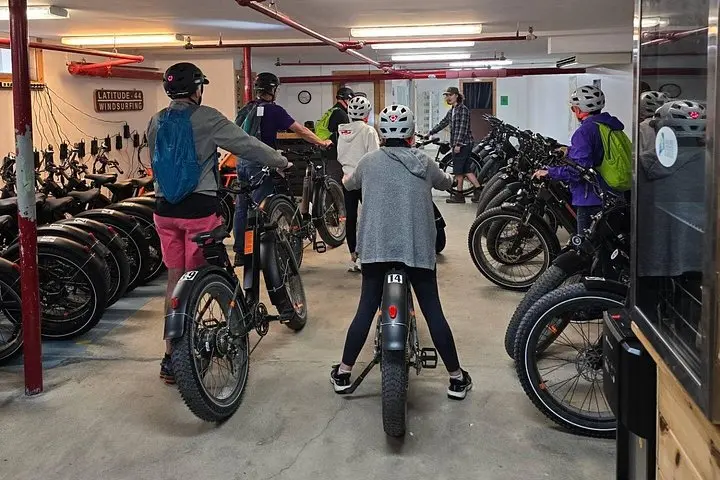
The ride begins on a cool Bar Harbor morning: tires crunch the compacted crushed-stone of Acadia’s carriage roads, spruce and granite edging the path as gulls call from the nearby coastline. Guides fit you with a fat‑tire e‑bike and helmet, and the group moves at an easy, restorative pace—stopping at overlooks, quiet ponds and cascading streams where beavers work at their lodges.
The ride begins on a cool Bar Harbor morning: tires crunch the compacted crushed-stone of Acadia’s carriage roads, spruce and granite edging the path as gulls call from the nearby coastline. Guides fit you with a fat‑tire e‑bike and helmet, and the group moves at an easy, restorative pace—stopping at overlooks, quiet ponds and cascading streams where beavers work at their lodges.
The carriage roads themselves are part of Acadia’s early 20th‑century legacy—about 45 miles of car‑free routes commissioned by John D. Rockefeller Jr. and built with granite bridges and low, rolling grades. Geology here is exposed coastal granite sculpted by glaciers; the route alternates between shaded hardwood corridors and open viewpoints that frame Mount Desert Island’s rocky shore.
Culturally the ride threads through landscapes long used by Wabanaki people and later shaped by conservation-minded philanthropy; guides commonly share natural history and local stories as you roll. Wildlife sightings skew toward beaver, songbirds and the occasional deer, while peregrine falcons patrol cliffs overhead.
Practical guidance: expect a 3–4 hour outing; pace and stops mean distance varies, typically under 15 miles on compacted gravel with modest cumulative elevation. Helmets and bottled water are provided; wear closed‑toe shoes and a wind layer. Battery assist makes climbs manageable but basic e‑bike handling and moderate fitness help you enjoy the full loop. Timing rides for morning or late afternoon avoids peak crowds and offers better light for photos.
This experience suits travelers who want a low‑impact, interpretive way to see Acadia beyond the car—bring a camera, dress in layers and follow your guide’s route notes for the best overlooks and wildlife windows.