THE ADVENTURE COLLECTIVE® · Independent discovery and booking for outdoor travel

Spend a dramatic overnight on Acatenango: glamp at high camp, watch Volcán Fuego erupt after dark, then summit at sunrise for a 360° panorama. This two-day trek moves through cloud forest, alpine terrain, and volcanic rock — be ready for altitude and quick weather changes.
Spend a dramatic overnight on Acatenango: glamp at high camp, watch Volcán Fuego erupt after dark, then summit at sunrise for a 360° panorama. This two-day trek moves through cloud forest, alpine terrain, and volcanic rock — be ready for altitude and quick weather changes.
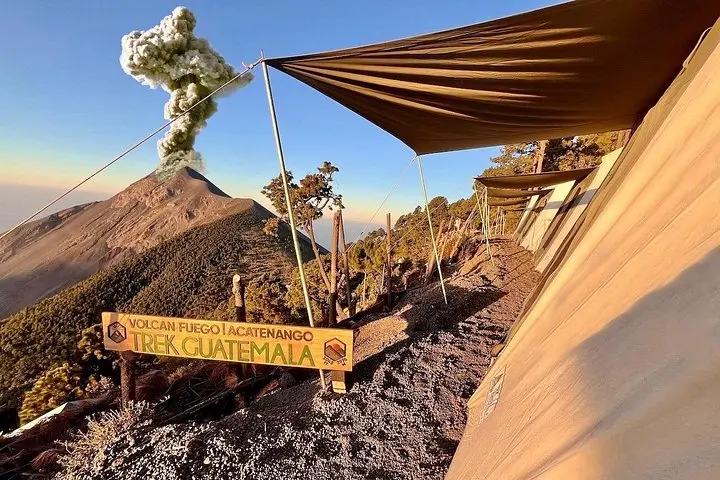
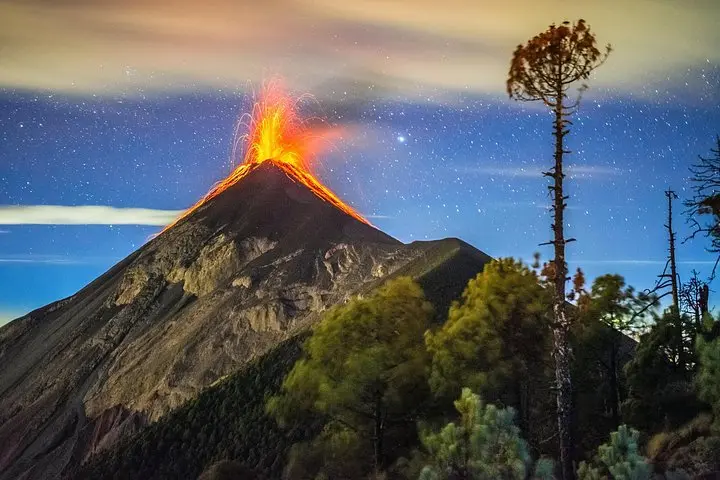
You step out of the van into a thin, cold air where Fuego’s orange pulse punctuates the night — a living signal in a black sky. Crackling campfires at Acatenango Basecamp throw light across safari-style tents; steam rises from mugs as guides sort headlamps and check straps. The valley below sleeps, but the volcanos keep watch.
Verified experiences and guided adventures in the surrounding area.
Operated by Trek Guatemala · Antigua Guatemala, Sacatepéquez
You step out of the van into a thin, cold air where Fuego’s orange pulse punctuates the night — a living signal in a black sky. Crackling campfires at Acatenango Basecamp throw light across safari-style tents; steam rises from mugs as guides sort headlamps and check straps. The valley below sleeps, but the volcanos keep watch.
The massif of Acatenango is volcanic history underfoot: layers of andesitic flows and ash built the cone over millennia, and its proximity to Fuego has shaped local farms, trails, and folklore around Antigua. Hikers pass agricultural terraces, a tropical cloud forest that softens the climb, and a high-alpine scrub where wind carves the landscape. Indigenous and colonial histories meet here — Spanish-era Antigua sits in the volcano-shadowed valley and local communities maintain age-old farming and guiding traditions.
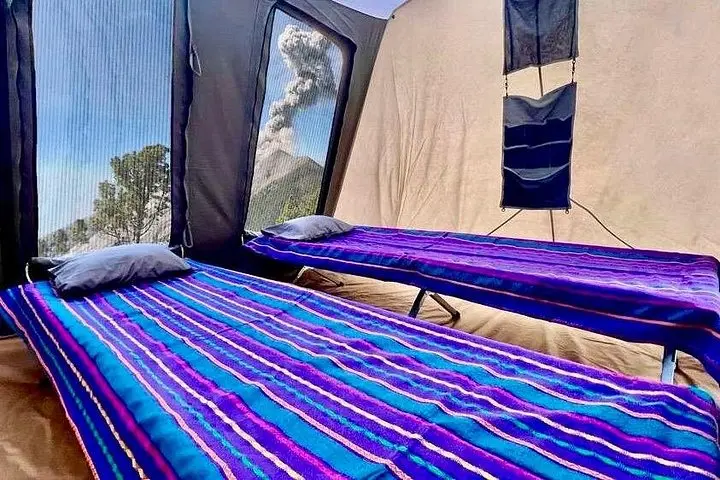
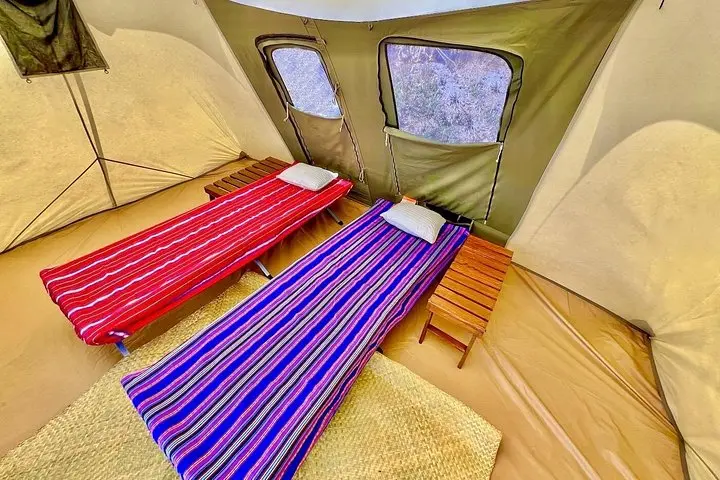
Expect four distinct ecosystems on the ascent, a hard high-camp at ~3,750 m, and an early-morning push to 3,976 m for a sunrise that lights Fuego’s nightly bursts. The camp offers cots and cooked meals, but altitude and steep pitches make this a serious two-day undertaking. Bring layered insulation, a reliable headlamp, and plan for rapidly changing weather. Hydrate well before the climb, pace the ascent to manage altitude, and rely on guides for route-finding and safety.
This is an adventure that balances spectacle with logistics — volcanic drama by night, panoramic reward at dawn, and practical planning every step of the way.
The overnight itinerary is steep and high-altitude—expect 6–8 hours of uphill hiking over varied terrain; a good fitness base and prior multi-hour hikes help.
Yes — Volcán Fuego frequently emits glowing lava bursts visible from basecamp at night, but volcanic activity varies and cannot be guaranteed.
No specialized experience is required due to provided glamping amenities, but comfort with sleeping in high-altitude tents and cold is important.
Dry months (roughly November–April) offer clearer skies and more stable trail conditions, although weather can change year-round.
Trek Guatemala operates guided outdoor trips and adventures with an emphasis on safety, stewardship, and memorable experiences.
You step out of the van into a thin, cold air where Fuego’s orange pulse punctuates the night — a living signal in a black sky. Crackling campfires at Acatenango Basecamp throw light across safari-style tents; steam rises from mugs as guides sort headlamps and check straps. The valley below sleeps, but the volcanos keep watch.
You step out of the van into a thin, cold air where Fuego’s orange pulse punctuates the night — a living signal in a black sky. Crackling campfires at Acatenango Basecamp throw light across safari-style tents; steam rises from mugs as guides sort headlamps and check straps. The valley below sleeps, but the volcanos keep watch.
The massif of Acatenango is volcanic history underfoot: layers of andesitic flows and ash built the cone over millennia, and its proximity to Fuego has shaped local farms, trails, and folklore around Antigua. Hikers pass agricultural terraces, a tropical cloud forest that softens the climb, and a high-alpine scrub where wind carves the landscape. Indigenous and colonial histories meet here — Spanish-era Antigua sits in the volcano-shadowed valley and local communities maintain age-old farming and guiding traditions.
Expect four distinct ecosystems on the ascent, a hard high-camp at ~3,750 m, and an early-morning push to 3,976 m for a sunrise that lights Fuego’s nightly bursts. The camp offers cots and cooked meals, but altitude and steep pitches make this a serious two-day undertaking. Bring layered insulation, a reliable headlamp, and plan for rapidly changing weather. Hydrate well before the climb, pace the ascent to manage altitude, and rely on guides for route-finding and safety.
This is an adventure that balances spectacle with logistics — volcanic drama by night, panoramic reward at dawn, and practical planning every step of the way.