THE ADVENTURE COLLECTIVE® · Independent discovery and booking for outdoor travel

Move through Accra’s markets and neighborhood eateries on a guided, five‑hour culinary tour that pairs tastings with cultural context. Sample iconic Ghanaian dishes, meet cooks, and learn where food fits into daily life and national history.
Move through Accra’s markets and neighborhood eateries on a guided, five‑hour culinary tour that pairs tastings with cultural context. Sample iconic Ghanaian dishes, meet cooks, and learn where food fits into daily life and national history.
You step out of an air‑conditioned vehicle into a corridor of sound and smell: vendors calling, plantain sizzling, the Atlantic breeze nudging the scent of grilled fish. The Accra City Culinary Experience moves through the city’s pulse—market stalls, neighborhood “chop bars,” and a parade ground where modern Ghana marks its independence—offering a compact education in taste and place.
Verified experiences and guided adventures in the surrounding area.
Operated by Olives Travel & Tour Limited · Accra, Greater Accra
You step out of an air‑conditioned vehicle into a corridor of sound and smell: vendors calling, plantain sizzling, the Atlantic breeze nudging the scent of grilled fish. The Accra City Culinary Experience moves through the city’s pulse—market stalls, neighborhood “chop bars,” and a parade ground where modern Ghana marks its independence—offering a compact education in taste and place.
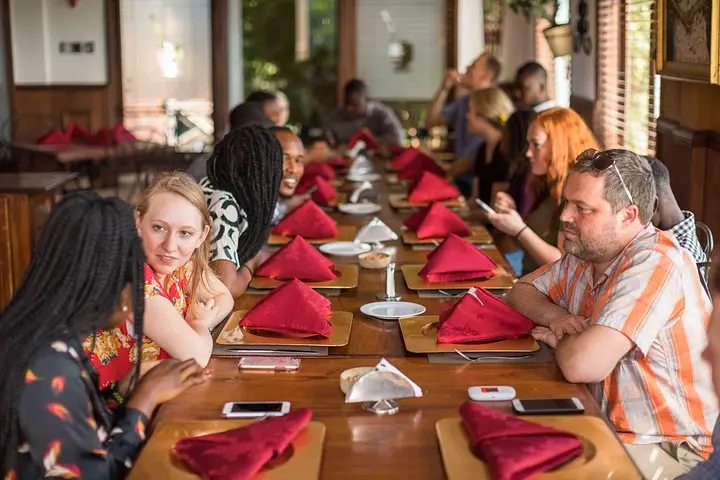
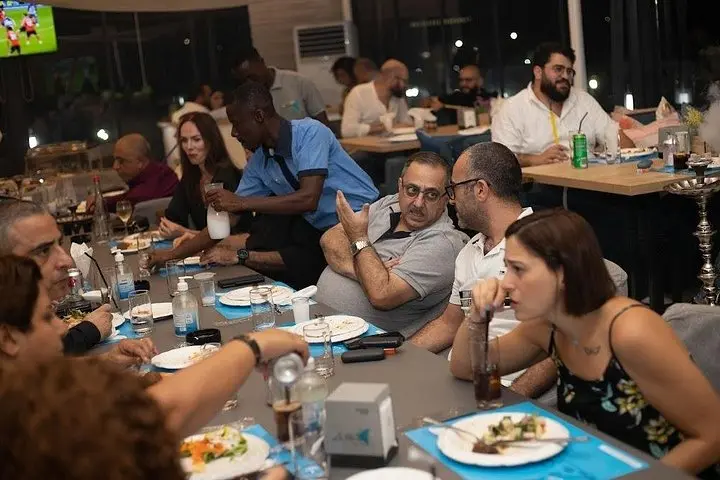
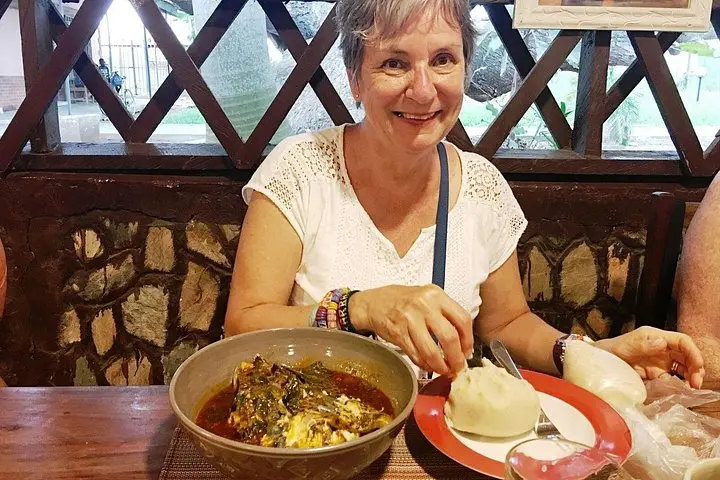
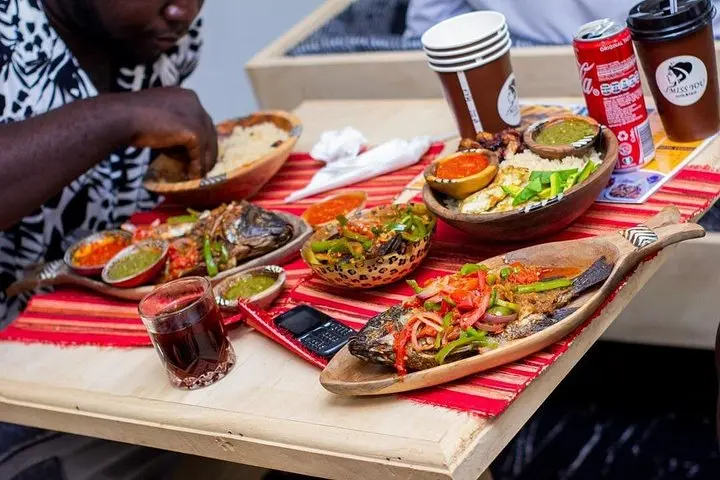
Accra sits on the Gulf of Guinea where the Ga people established coastal trading posts centuries ago; those trade routes shaped foodways that blend Akan, Ga, and colonial influences. Expect to sample waakye, jollof, banku with tilapia, and spicy kelewele while guides explain ingredients, cooking techniques, and social rituals around shared plates. The geology of the coast—sandy promontories and inland red laterite—has influenced settlement patterns and daily markets that cluster near transport hubs.
Practicalities are straightforward: tours typically last about five hours and include bottled water, lunch, and private transport. Wear comfortable shoes for short walks and uneven market surfaces, keep small notes of Ghanaian cedi for street purchases, and flag food allergies before the tour. Timing matters—late morning avoids the hottest stretch and hits busiest market stalls.
This is a sensory, social experience as much as a tasting; vendors are working businesses, so move with respect, photograph with permission, and tip generously for personal demonstrations. For travelers wanting a fast, local primer to Accra’s gastronomy, the tour balances curated stops with room for discovery.
Yes—private transportation is provided; confirm your pickup point when booking and allow buffer time for Accra traffic.
Lunch and bottled water are included as part of the tour; additional snacks or drinks purchased at markets are extra.
The itinerary notes wheelchair accessibility, though some market areas may be narrow or uneven—contact the operator to discuss specific needs.
Photography is common but ask vendors for permission, especially if photographing people up close or during private demonstrations.
Olives Travel & Tour Limited operates guided outdoor trips and adventures with an emphasis on safety, stewardship, and memorable experiences.
You step out of an air‑conditioned vehicle into a corridor of sound and smell: vendors calling, plantain sizzling, the Atlantic breeze nudging the scent of grilled fish. The Accra City Culinary Experience moves through the city’s pulse—market stalls, neighborhood “chop bars,” and a parade ground where modern Ghana marks its independence—offering a compact education in taste and place.
You step out of an air‑conditioned vehicle into a corridor of sound and smell: vendors calling, plantain sizzling, the Atlantic breeze nudging the scent of grilled fish. The Accra City Culinary Experience moves through the city’s pulse—market stalls, neighborhood “chop bars,” and a parade ground where modern Ghana marks its independence—offering a compact education in taste and place.
Accra sits on the Gulf of Guinea where the Ga people established coastal trading posts centuries ago; those trade routes shaped foodways that blend Akan, Ga, and colonial influences. Expect to sample waakye, jollof, banku with tilapia, and spicy kelewele while guides explain ingredients, cooking techniques, and social rituals around shared plates. The geology of the coast—sandy promontories and inland red laterite—has influenced settlement patterns and daily markets that cluster near transport hubs.
Practicalities are straightforward: tours typically last about five hours and include bottled water, lunch, and private transport. Wear comfortable shoes for short walks and uneven market surfaces, keep small notes of Ghanaian cedi for street purchases, and flag food allergies before the tour. Timing matters—late morning avoids the hottest stretch and hits busiest market stalls.
This is a sensory, social experience as much as a tasting; vendors are working businesses, so move with respect, photograph with permission, and tip generously for personal demonstrations. For travelers wanting a fast, local primer to Accra’s gastronomy, the tour balances curated stops with room for discovery.