THE ADVENTURE COLLECTIVE® · Independent discovery and booking for outdoor travel

Walk the streets where Ghana’s independence was declared, haggle at Makola Market, and watch craftsmen shape kente and fantasy coffins. This private half-day tour pairs major landmarks with local culture for a compact introduction to Accra.
Walk the streets where Ghana’s independence was declared, haggle at Makola Market, and watch craftsmen shape kente and fantasy coffins. This private half-day tour pairs major landmarks with local culture for a compact introduction to Accra.
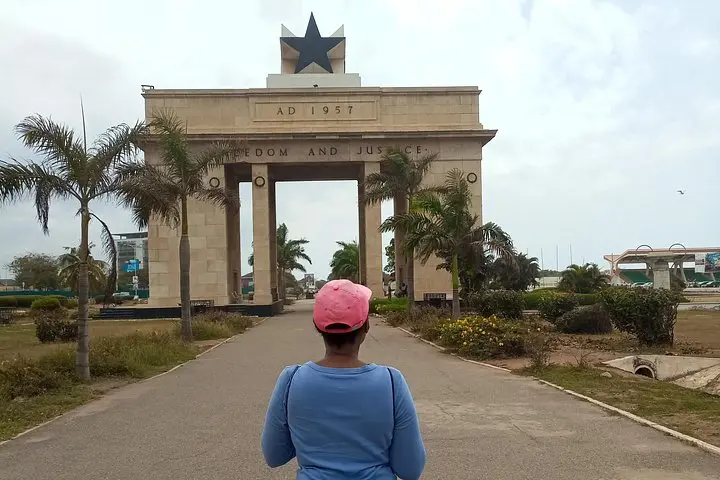
You step out of an air-conditioned vehicle and the Atlantic breeze pushes a salt-sweet ribbon of air through the avenue, daring you to walk faster. Streets hum with tro-tros, vendors call out rhythmic bargains, and the silhouette of Independence Arch looms—an open invitation to read the city’s history in stone and movement.
Verified experiences and guided adventures in the surrounding area.
Operated by Best Ghana Tours · Accra, Greater Accra Region
You step out of an air-conditioned vehicle and the Atlantic breeze pushes a salt-sweet ribbon of air through the avenue, daring you to walk faster. Streets hum with tro-tros, vendors call out rhythmic bargains, and the silhouette of Independence Arch looms—an open invitation to read the city’s history in stone and movement.
This guided half-day tour threads modern Accra with the landmarks that shaped Ghana: Kwame Nkrumah Memorial Park and Black Star Square, where the country’s independence was declared in 1957, sit close to community hubs like Makola Market and the Center for National Culture. The geology beneath your feet is coastal plain and red laterite soils, carved by seasonal rains and the steady edge of the Gulf of Guinea. Cultural life is visible and tactile—fantasy coffins crafted with playful irreverence, kente dye vats steaming in workshop courtyards, and the W. E. B. Du Bois Centre anchoring Pan-African thought.
Expect lively bargaining, short walking stints across mostly flat, paved streets, and frequent stops for photos and questions. The guide handles logistics: private transport, bottled water, entry fees to major sites, and time to explore artisan stalls. Wear comfortable walking shoes, bring sunscreen and local currency for market purchases, and plan for midday heat by scheduling this in the cooler morning hours when the city’s rhythms are most vivid. For accessibility, many stops are wheelchair-friendly, but ask about specific sites in advance. This tour turns Accra’s layers—political history, craft, and coastal character—into a concentrated, practical introduction that prepares you to keep exploring on your own.
Yes; major site admissions listed in the itinerary (e.g., Kwame Nkrumah Memorial Park) are included in the tour price.
Many stops are wheelchair accessible and the vehicle is accessible, but check with the operator about specific locations to confirm access arrangements.
Bring a variety of small notes (GHS 10–50) depending on your shopping plans; vendors prefer cash and small denominations for bargaining.
Private tours typically offer flexibility—ask the operator in advance about preferred stops or additional time at markets or museums.
Best Ghana Tours operates guided outdoor trips and adventures with an emphasis on safety, stewardship, and memorable experiences.
You step out of an air-conditioned vehicle and the Atlantic breeze pushes a salt-sweet ribbon of air through the avenue, daring you to walk faster. Streets hum with tro-tros, vendors call out rhythmic bargains, and the silhouette of Independence Arch looms—an open invitation to read the city’s history in stone and movement.
You step out of an air-conditioned vehicle and the Atlantic breeze pushes a salt-sweet ribbon of air through the avenue, daring you to walk faster. Streets hum with tro-tros, vendors call out rhythmic bargains, and the silhouette of Independence Arch looms—an open invitation to read the city’s history in stone and movement.
This guided half-day tour threads modern Accra with the landmarks that shaped Ghana: Kwame Nkrumah Memorial Park and Black Star Square, where the country’s independence was declared in 1957, sit close to community hubs like Makola Market and the Center for National Culture. The geology beneath your feet is coastal plain and red laterite soils, carved by seasonal rains and the steady edge of the Gulf of Guinea. Cultural life is visible and tactile—fantasy coffins crafted with playful irreverence, kente dye vats steaming in workshop courtyards, and the W. E. B. Du Bois Centre anchoring Pan-African thought.
Expect lively bargaining, short walking stints across mostly flat, paved streets, and frequent stops for photos and questions. The guide handles logistics: private transport, bottled water, entry fees to major sites, and time to explore artisan stalls. Wear comfortable walking shoes, bring sunscreen and local currency for market purchases, and plan for midday heat by scheduling this in the cooler morning hours when the city’s rhythms are most vivid. For accessibility, many stops are wheelchair-friendly, but ask about specific sites in advance. This tour turns Accra’s layers—political history, craft, and coastal character—into a concentrated, practical introduction that prepares you to keep exploring on your own.