THE ADVENTURE COLLECTIVE® · Independent discovery and booking for outdoor travel

A focused half-day private tour through Accra’s most resonant sites: Christiansborg (Osu) Castle, Kwame Nkrumah Memorial, Independence Square, and the fantasy-coffin workshops. Expect guided history, short urban walks, and market bargaining—hotel pickup included.
A focused half-day private tour through Accra’s most resonant sites: Christiansborg (Osu) Castle, Kwame Nkrumah Memorial, Independence Square, and the fantasy-coffin workshops. Expect guided history, short urban walks, and market bargaining—hotel pickup included.
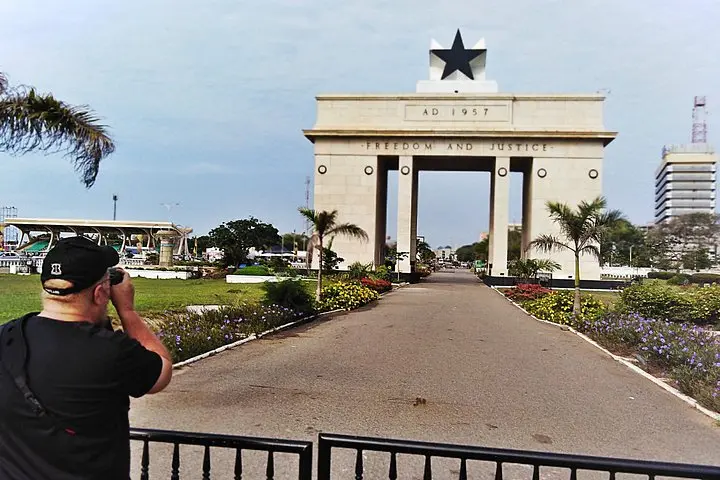
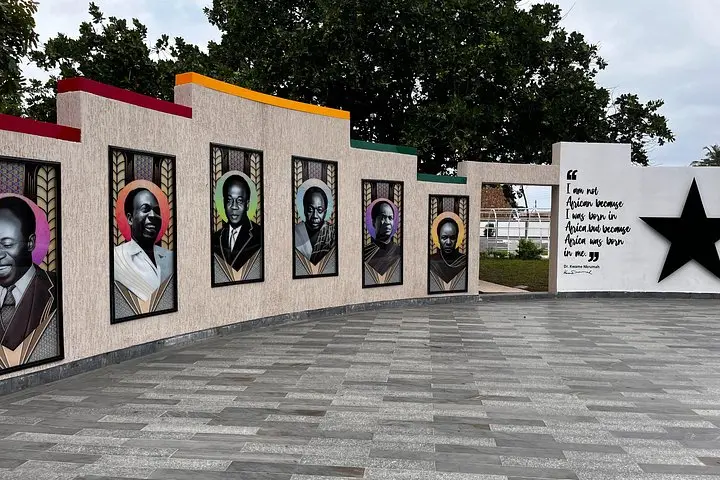
You step out of an air-conditioned van onto a sun-warmed plaza where the Atlantic breeze seems to dare you to remember. The city hums—market cries, gulls over the water, and the distant drumbeat from a street-side carpenter crafting a coffin shaped like a fish. This private 4–5 hour circuit stitches together Accra’s civic monuments and its islands of memory: Kwame Nkrumah Memorial, the Danish-built Christiansborg (Osu) Castle, Independence (Black Star) Square, and the woodworkers’ alley where the fantasy coffins are made.
Verified experiences and guided adventures in the surrounding area.
Operated by Ghana Must Go Tours · Accra, Greater Accra Region
You step out of an air-conditioned van onto a sun-warmed plaza where the Atlantic breeze seems to dare you to remember. The city hums—market cries, gulls over the water, and the distant drumbeat from a street-side carpenter crafting a coffin shaped like a fish. This private 4–5 hour circuit stitches together Accra’s civic monuments and its islands of memory: Kwame Nkrumah Memorial, the Danish-built Christiansborg (Osu) Castle, Independence (Black Star) Square, and the woodworkers’ alley where the fantasy coffins are made.
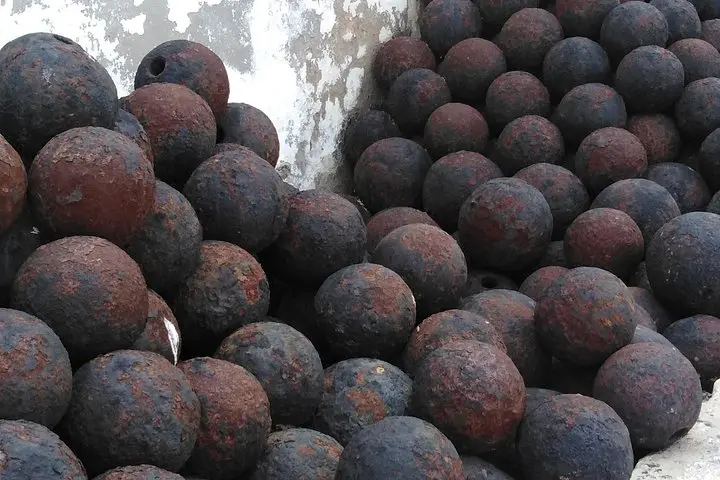
The coastline here is a coastal plain softened by years of trade winds and tides; the castle’s stones carry salt and layered histories from colonial forts to independence-era ceremonies. Ghana declared independence in 1957 under Kwame Nkrumah, and sites on this route connect that political history to the older, darker chapters of forced migration. Local craftspeople continue techniques centuries old, and the nearby markets pulse with materials and stories you won’t find in guidebooks.
Practically: tours include hotel pickup and drop-off in an air-conditioned vehicle, and admission at several sites. Expect short walks on paved squares and uneven compound floors—comfortable shoes and a hat matter. Carry small bills for market bargaining and museum donations. If you want quieter photos, plan a morning start to catch softer light and calmer streets; afternoon is better for watching the city exhale into evening. Respect signage at memorials and ask before photographing people in their workshops; it’s the simplest way to leave this place better than you found it.
Yes—this private tour includes hotel or residence pickup and drop-off in an air-conditioned vehicle.
The tour is suitable for most people, but it’s not recommended for pregnant travelers or those with serious spinal/heart conditions; infants must sit on laps.
Admission is included for listed stops such as the Kwame Nkrumah Memorial and Christiansborg Castle where stated; check the itinerary for specifics.
Yes; guides often assist with fair negotiation, but bring small cedi notes and be prepared to haggle respectfully.
Ghana Must Go Tours operates guided outdoor trips and adventures with an emphasis on safety, stewardship, and memorable experiences.
You step out of an air-conditioned van onto a sun-warmed plaza where the Atlantic breeze seems to dare you to remember. The city hums—market cries, gulls over the water, and the distant drumbeat from a street-side carpenter crafting a coffin shaped like a fish. This private 4–5 hour circuit stitches together Accra’s civic monuments and its islands of memory: Kwame Nkrumah Memorial, the Danish-built Christiansborg (Osu) Castle, Independence (Black Star) Square, and the woodworkers’ alley where the fantasy coffins are made.
You step out of an air-conditioned van onto a sun-warmed plaza where the Atlantic breeze seems to dare you to remember. The city hums—market cries, gulls over the water, and the distant drumbeat from a street-side carpenter crafting a coffin shaped like a fish. This private 4–5 hour circuit stitches together Accra’s civic monuments and its islands of memory: Kwame Nkrumah Memorial, the Danish-built Christiansborg (Osu) Castle, Independence (Black Star) Square, and the woodworkers’ alley where the fantasy coffins are made.
The coastline here is a coastal plain softened by years of trade winds and tides; the castle’s stones carry salt and layered histories from colonial forts to independence-era ceremonies. Ghana declared independence in 1957 under Kwame Nkrumah, and sites on this route connect that political history to the older, darker chapters of forced migration. Local craftspeople continue techniques centuries old, and the nearby markets pulse with materials and stories you won’t find in guidebooks.
Practically: tours include hotel pickup and drop-off in an air-conditioned vehicle, and admission at several sites. Expect short walks on paved squares and uneven compound floors—comfortable shoes and a hat matter. Carry small bills for market bargaining and museum donations. If you want quieter photos, plan a morning start to catch softer light and calmer streets; afternoon is better for watching the city exhale into evening. Respect signage at memorials and ask before photographing people in their workshops; it’s the simplest way to leave this place better than you found it.