THE ADVENTURE COLLECTIVE® · Independent discovery and booking for outdoor travel

A concise two-day loop from Accra to Cape Coast that pairs city markets and history with the Kakum canopy walkway. Expect castle tours, rainforest trails, and immersive cultural stops suited to first-time visitors.
A concise two-day loop from Accra to Cape Coast that pairs city markets and history with the Kakum canopy walkway. Expect castle tours, rainforest trails, and immersive cultural stops suited to first-time visitors.
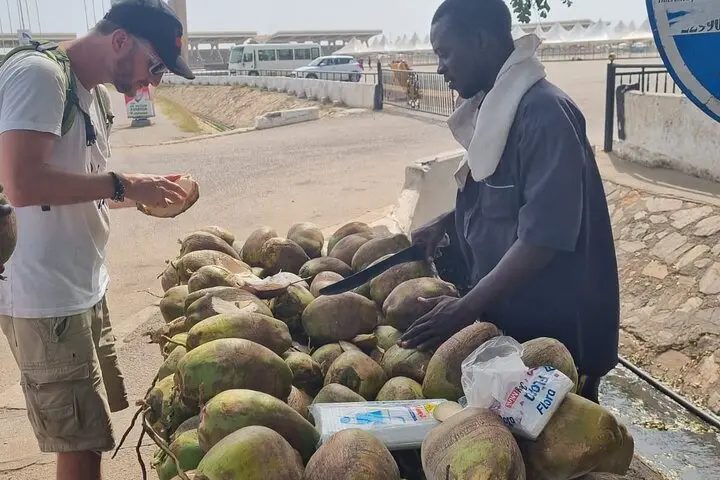
You arrive in Accra to a city that moves at its own warm rhythm: street vendors call, tro-tros weave past Independence Square, and the salty Atlantic air hints at the coast ahead.
Verified experiences and guided adventures in the surrounding area.
Operated by Where Next Africa · Accra, Greater Accra Region
You arrive in Accra to a city that moves at its own warm rhythm: street vendors call, tro-tros weave past Independence Square, and the salty Atlantic air hints at the coast ahead.
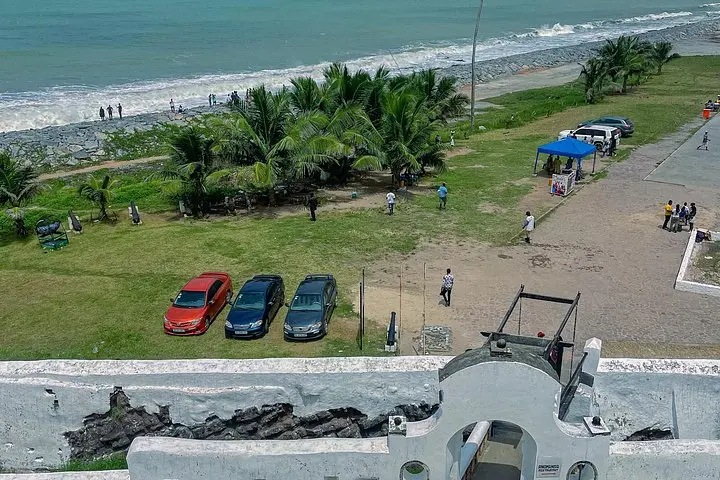
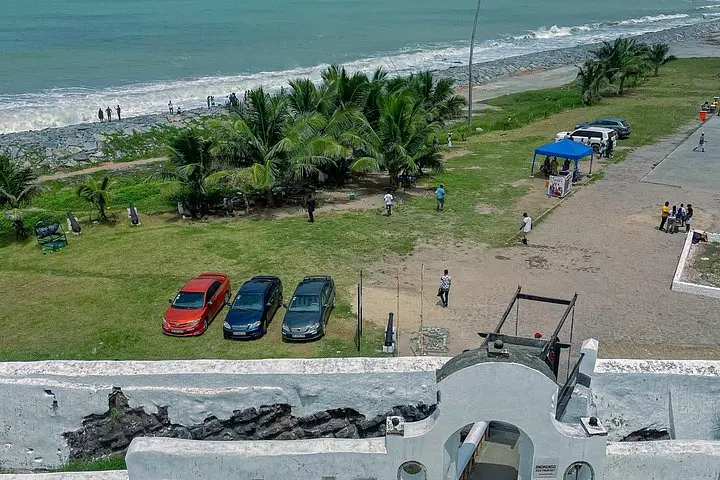
Day one places travelers in the pulse of Ghana’s capital — markets, drumming lessons, and civic monuments — then the route turns west toward the Central Region where time is measured in tides and memory. The second day pivots to Cape Coast and Elmina, where 17th‑century stone castles confront the Atlantic and whisper the histories of trans‑Atlantic trade. Between them, Kakum National Park’s canopy walkway stretches like a suspended bridge between crowns of rainforest, the forest floor below alive and observant.
Geologically, this coastline is a low-lying Atlantic shelf of sedimentary sands and coastal rock; culturally, it carries colonial markers and contemporary resilience. Local artisans in Cape Coast still weave, carve, and sell kente and carved sandalwood—places to learn and support local economies.
Practical guidance: pack sturdy walking shoes and a lightweight rain jacket for sudden downpours, bring cash for markets and museum entry, and plan early starts to avoid mid‑day heat. Expect moderate walking at historical sites and short hikes on rainforest trails; the canopy is safe but involves laddered access and narrow planks.
Respect local memorial sites, follow guides’ instructions in the park, and use refillable water bottles to minimize plastic. With basic preparation, this two-day loop delivers history, hands-on culture, and a taste of West African forest adventure.
Expect about 2.5–3 hours each way by private vehicle, depending on traffic and stops.
Yes—local guides typically lead castle tours and offer historical context for entry fees.
The walkway has safety railings and is supervised, but children should be accompanied and comfortable with heights.
Check country-specific health advisories; routine vaccinations are recommended and malaria prophylaxis is often advised.
Where Next Africa operates guided outdoor trips and adventures with an emphasis on safety, stewardship, and memorable experiences.

You arrive in Accra to a city that moves at its own warm rhythm: street vendors call, tro-tros weave past Independence Square, and the salty Atlantic air hints at the coast ahead.
You arrive in Accra to a city that moves at its own warm rhythm: street vendors call, tro-tros weave past Independence Square, and the salty Atlantic air hints at the coast ahead.
Day one places travelers in the pulse of Ghana’s capital — markets, drumming lessons, and civic monuments — then the route turns west toward the Central Region where time is measured in tides and memory. The second day pivots to Cape Coast and Elmina, where 17th‑century stone castles confront the Atlantic and whisper the histories of trans‑Atlantic trade. Between them, Kakum National Park’s canopy walkway stretches like a suspended bridge between crowns of rainforest, the forest floor below alive and observant.
Geologically, this coastline is a low-lying Atlantic shelf of sedimentary sands and coastal rock; culturally, it carries colonial markers and contemporary resilience. Local artisans in Cape Coast still weave, carve, and sell kente and carved sandalwood—places to learn and support local economies.
Practical guidance: pack sturdy walking shoes and a lightweight rain jacket for sudden downpours, bring cash for markets and museum entry, and plan early starts to avoid mid‑day heat. Expect moderate walking at historical sites and short hikes on rainforest trails; the canopy is safe but involves laddered access and narrow planks.
Respect local memorial sites, follow guides’ instructions in the park, and use refillable water bottles to minimize plastic. With basic preparation, this two-day loop delivers history, hands-on culture, and a taste of West African forest adventure.