THE ADVENTURE COLLECTIVE® · Independent discovery and booking for outdoor travel

Move from Accra’s streets to the Atlantic shore on a three-day cultural tour that visits Kwame Nkrumah Mausoleum, Cape Coast Castle, Elmina, and Kakum National Park’s canopy walkway. Expect museum history, coastal forts, and rainforest walks with an air-conditioned vehicle connecting the sites.
Move from Accra’s streets to the Atlantic shore on a three-day cultural tour that visits Kwame Nkrumah Mausoleum, Cape Coast Castle, Elmina, and Kakum National Park’s canopy walkway. Expect museum history, coastal forts, and rainforest walks with an air-conditioned vehicle connecting the sites.
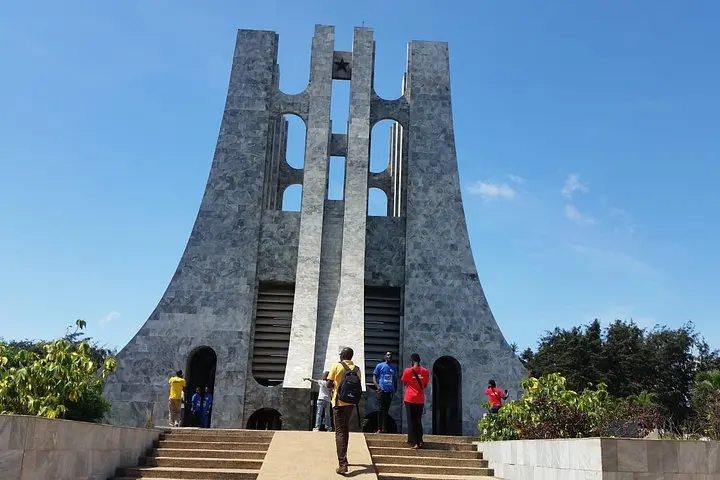
Morning in Accra unfurls like a busy market — tro-tros humming, street vendors arranging plantain and spices, and the city’s broad boulevards funneling you toward Independence Square. On day one the tour threads through Kwame Nkrumah Mausoleum and the W. E. B. Du Bois Centre, where politics and pan-African history meet marble and memory.
Verified experiences and guided adventures in the surrounding area.
Operated by Eyali Tours · Cape Coast, Central Region
Morning in Accra unfurls like a busy market — tro-tros humming, street vendors arranging plantain and spices, and the city’s broad boulevards funneling you toward Independence Square. On day one the tour threads through Kwame Nkrumah Mausoleum and the W. E. B. Du Bois Centre, where politics and pan-African history meet marble and memory.
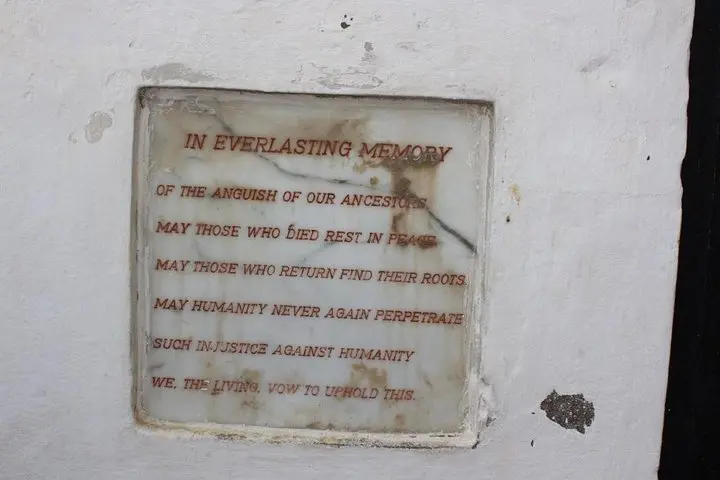
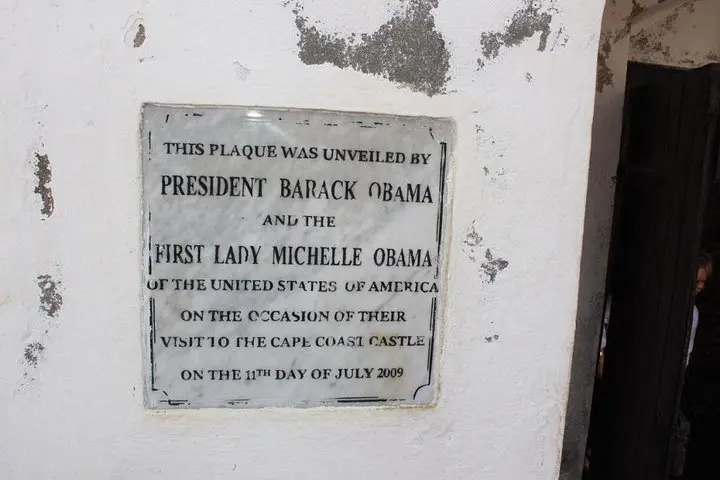
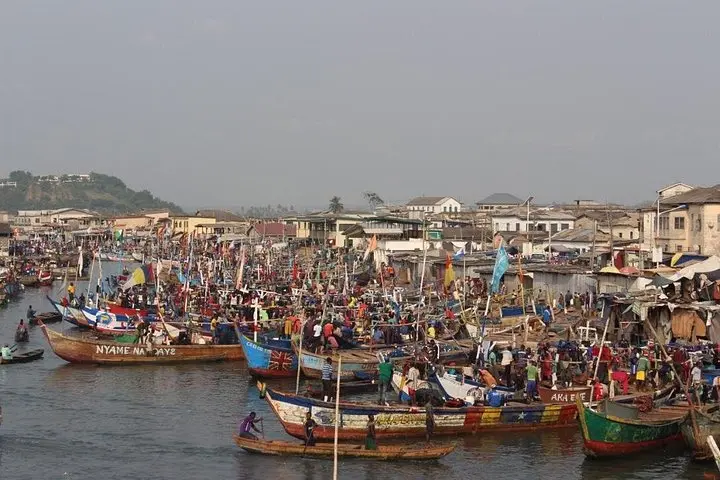
By day two the landscape shifts: the coastline opens and the Posuban shrine marks a different rhythm of local art and ritual. Cape Coast Castle occupies a raw geography — a black basalt promontory carved by tides and time — where ship holds once swallowed humanity. The castle is a UNESCO World Heritage site and a touchstone for understanding Ghana’s central role in the Atlantic slave trade.
Kakum National Park adds green contrast on day three. The canopy walkway hangs over tall rainforest, and the air has the sharpness of wet leaves and distant bird calls. The park’s soil is lateritic, the forest a relic of West African biodiversity that shelters colobus monkeys and brightly colored turacos.
Practical guidance: wear sturdy walking shoes for castle stairs and canopy planks, and pack a light rain layer — sudden tropical showers are common. Expect multiple short walks across uneven surfaces and some steep steps; the tour uses an air-conditioned vehicle between sites, and overnight stays are mid-range hotels in Cape Coast or Elmina. Bring local currency for small purchases, a charged phone for photography and translations, and time to listen at historical sites: much of the tour’s value comes from paying attention.
The itinerary runs roughly three days (about 72 hours). Inclusions typically cover an air-conditioned vehicle, accommodation in Cape Coast/Elmina (mid-range), entrance fees to listed sites, and some taxes.
The walkway is generally safe but involves heights and narrow platforms—children should be supervised and tolerate heights; policies may restrict very young children.
Meals are arranged at local restaurants and hotels; inform the operator when booking about allergies or dietary restrictions so they can accommodate where possible.
Guides commonly speak English; local guides at forts and museums may add Akan languages and contextual translations as needed.
Eyali Tours operates guided outdoor trips and adventures with an emphasis on safety, stewardship, and memorable experiences.
Morning in Accra unfurls like a busy market — tro-tros humming, street vendors arranging plantain and spices, and the city’s broad boulevards funneling you toward Independence Square. On day one the tour threads through Kwame Nkrumah Mausoleum and the W. E. B. Du Bois Centre, where politics and pan-African history meet marble and memory.
Morning in Accra unfurls like a busy market — tro-tros humming, street vendors arranging plantain and spices, and the city’s broad boulevards funneling you toward Independence Square. On day one the tour threads through Kwame Nkrumah Mausoleum and the W. E. B. Du Bois Centre, where politics and pan-African history meet marble and memory.
By day two the landscape shifts: the coastline opens and the Posuban shrine marks a different rhythm of local art and ritual. Cape Coast Castle occupies a raw geography — a black basalt promontory carved by tides and time — where ship holds once swallowed humanity. The castle is a UNESCO World Heritage site and a touchstone for understanding Ghana’s central role in the Atlantic slave trade.
Kakum National Park adds green contrast on day three. The canopy walkway hangs over tall rainforest, and the air has the sharpness of wet leaves and distant bird calls. The park’s soil is lateritic, the forest a relic of West African biodiversity that shelters colobus monkeys and brightly colored turacos.
Practical guidance: wear sturdy walking shoes for castle stairs and canopy planks, and pack a light rain layer — sudden tropical showers are common. Expect multiple short walks across uneven surfaces and some steep steps; the tour uses an air-conditioned vehicle between sites, and overnight stays are mid-range hotels in Cape Coast or Elmina. Bring local currency for small purchases, a charged phone for photography and translations, and time to listen at historical sites: much of the tour’s value comes from paying attention.