THE ADVENTURE COLLECTIVE® · Independent discovery and booking for outdoor travel

A two‑day route from Accra to Cape Coast that pairs the treetop thrill of Kakum’s canopy walkway with visits to Elmina and Cape Coast Castles and key Pan‑African sites in Accra. Expect humid forests, coastal history, and market culture.
A two‑day route from Accra to Cape Coast that pairs the treetop thrill of Kakum’s canopy walkway with visits to Elmina and Cape Coast Castles and key Pan‑African sites in Accra. Expect humid forests, coastal history, and market culture.
You step off the road as the Gulf of Guinea breeze carries salt and wood smoke; palms lean toward the sea and the forest beyond seems to breathe. On Day One the tour moves south from Accra through coastal plains into Cape Coast, where whitewashed fort walls and weathered stone tell a difficult, unflinching history.
Verified experiences and guided adventures in the surrounding area.
Operated by ProTour Africa · Cape Coast, Central Region
You step off the road as the Gulf of Guinea breeze carries salt and wood smoke; palms lean toward the sea and the forest beyond seems to breathe. On Day One the tour moves south from Accra through coastal plains into Cape Coast, where whitewashed fort walls and weathered stone tell a difficult, unflinching history.
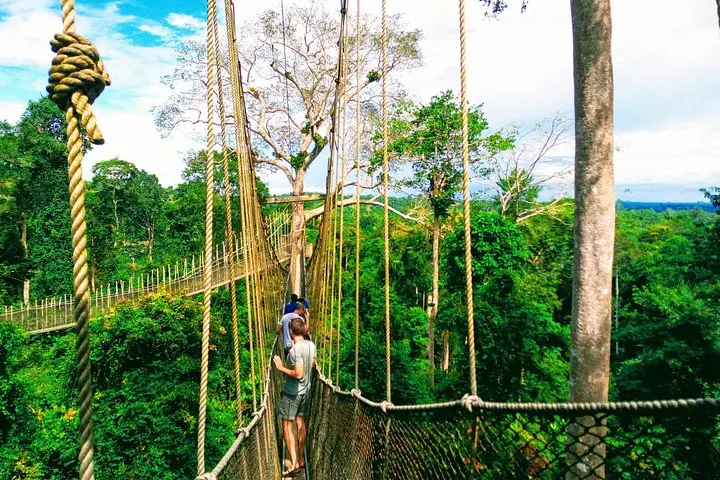
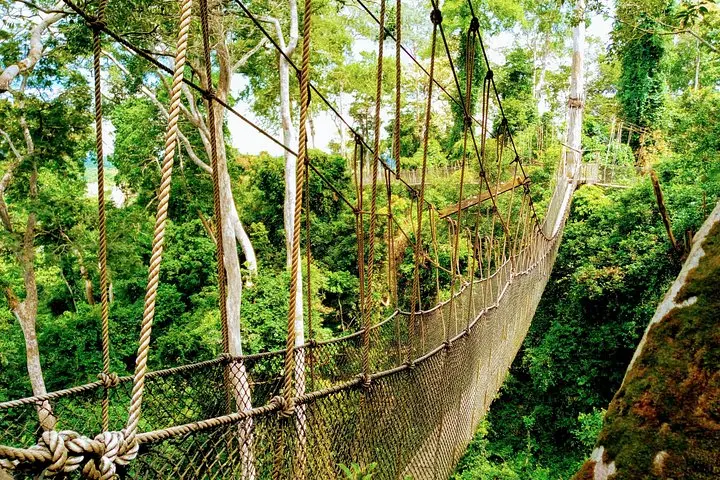
Kakum National Park unfurls differently: a humid, green cathedral where the canopy walkway hangs 30 meters above the forest floor and the understory pushes shadow and sound upward. Geologically the coast is recent—sandy beaches backed by lateritic soils—while the rainforest protects older, wetter ecosystems inland.
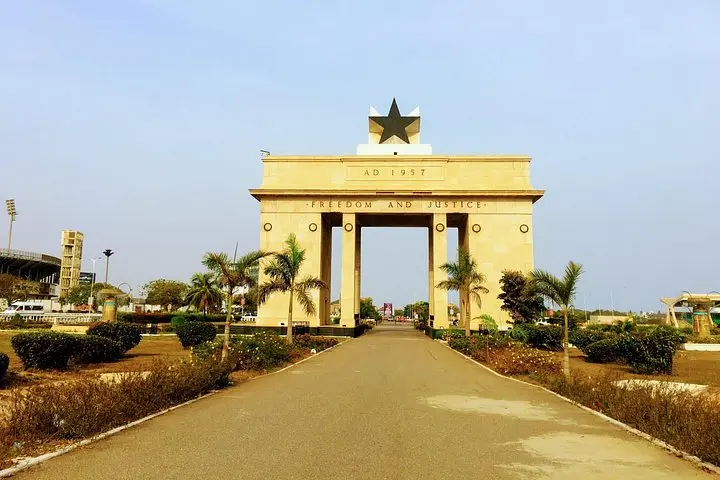
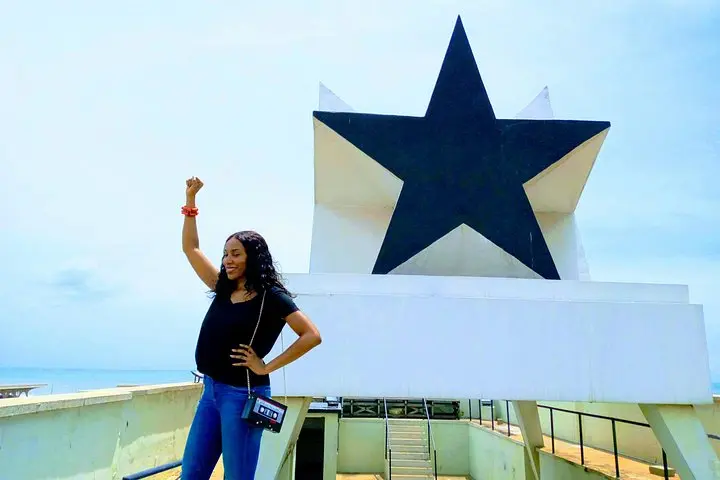
Cultural stops thread the present to the past. Elmina and Cape Coast Castles are surviving monuments of European trade and the transatlantic slave routes; both offer rooms and dungeons that explain Ghana’s global role. In Accra, the Kwame Nkrumah Mausoleum and the W.E.B. Du Bois Centre stitch Pan‑African history to modern national identity, and the Arts Centre markets Kente and carved stools that keep craft traditions alive.
Practical edge: expect lots of stairs, uneven trails and humid heat—start early, hydrate, and wear sturdy shoes with good grip for the canopy bridges. Guides typically handle transport and admissions, but carry cash for market purchases and small tips. Morning birding on the canopy walkway rewards early risers; afternoons in the coastal towns are best for museum visits when the light softens.
This two‑day route pairs outdoor adventure with living history—walking through both forest and memory—and is accessible to most travelers with basic fitness and curiosity.
Yes—hotel pick‑up and drop‑off within Accra and local transportation between sites are included in the itinerary.
Entrance fees are listed in the tour inclusions for the itinerary—confirm at booking but most standard admissions are covered.
The trip is family‑friendly but features stairs, narrow walkways and canopy bridges; it is not recommended for those with serious spinal or mobility issues.
Carry Ghanaian cedi for markets and small purchases; some museums accept cards but many local vendors do not.
ProTour Africa operates guided outdoor trips and adventures with an emphasis on safety, stewardship, and memorable experiences.
You step off the road as the Gulf of Guinea breeze carries salt and wood smoke; palms lean toward the sea and the forest beyond seems to breathe. On Day One the tour moves south from Accra through coastal plains into Cape Coast, where whitewashed fort walls and weathered stone tell a difficult, unflinching history.
You step off the road as the Gulf of Guinea breeze carries salt and wood smoke; palms lean toward the sea and the forest beyond seems to breathe. On Day One the tour moves south from Accra through coastal plains into Cape Coast, where whitewashed fort walls and weathered stone tell a difficult, unflinching history.
Kakum National Park unfurls differently: a humid, green cathedral where the canopy walkway hangs 30 meters above the forest floor and the understory pushes shadow and sound upward. Geologically the coast is recent—sandy beaches backed by lateritic soils—while the rainforest protects older, wetter ecosystems inland.
Cultural stops thread the present to the past. Elmina and Cape Coast Castles are surviving monuments of European trade and the transatlantic slave routes; both offer rooms and dungeons that explain Ghana’s global role. In Accra, the Kwame Nkrumah Mausoleum and the W.E.B. Du Bois Centre stitch Pan‑African history to modern national identity, and the Arts Centre markets Kente and carved stools that keep craft traditions alive.
Practical edge: expect lots of stairs, uneven trails and humid heat—start early, hydrate, and wear sturdy shoes with good grip for the canopy bridges. Guides typically handle transport and admissions, but carry cash for market purchases and small tips. Morning birding on the canopy walkway rewards early risers; afternoons in the coastal towns are best for museum visits when the light softens.
This two‑day route pairs outdoor adventure with living history—walking through both forest and memory—and is accessible to most travelers with basic fitness and curiosity.