THE ADVENTURE COLLECTIVE® · Independent discovery and booking for outdoor travel

Achiote Road delivers concentrated Caribbean lowland birding a short drive from Colón cruise port. This full-day tour follows forest edges and wet ditches where trogons, tanagers, and mixed flocks can appear without warning.
Achiote Road delivers concentrated Caribbean lowland birding a short drive from Colón cruise port. This full-day tour follows forest edges and wet ditches where trogons, tanagers, and mixed flocks can appear without warning.
Achiote Road opens like a long, slow page of forest beside the Caribbean side of Colón — low canopy, wet ditches, and shaded clearings where birds appear and vanish with the twitch of a branch.
Verified experiences and guided adventures in the surrounding area.
Operated by Guided Bird Tours · Colón, Colón
Achiote Road opens like a long, slow page of forest beside the Caribbean side of Colón — low canopy, wet ditches, and shaded clearings where birds appear and vanish with the twitch of a branch.
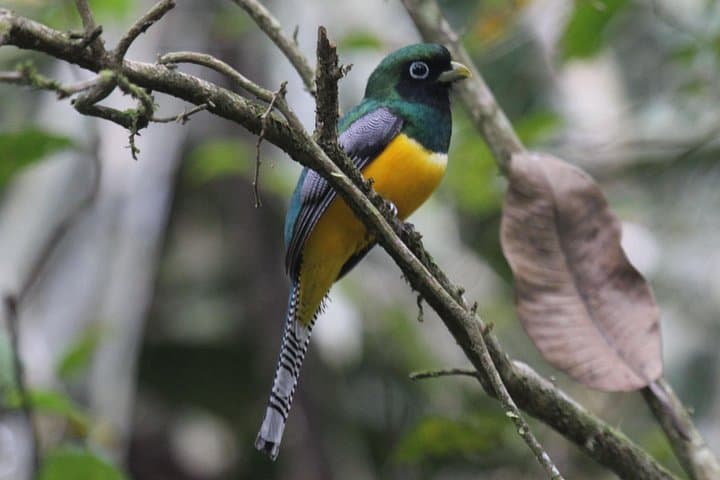
Travelers arriving from the cruise terminal cross the new Atlantic Bridge and the bustle of the port gives way to rainforest edge habitat shaped by alluvial soils and canal-era roads. The route itself is known locally for its high species counts during the annual Christmas Bird Count; birders come for mixed flocks, trogons, motmots, and a riot of tanagers and woodcreepers. The geology here is simple—flat coastal plain and riverine deposits—but that low relief concentrates wetlands and secondary forest that attract both resident tropical species and seasonal migrants.
Culturally, Colón adds a working-port backdrop: Afro-Caribbean streets, Canal-era infrastructure, and roadside vendors selling fresh fruit. Guides often point out how local land use and smallholder farms shape the roadside birding, and why supporting experienced local guides helps protect prime patches of habitat.
Practically, expect a full-day outing (7–8 hours) with mostly easy walking on unpaved roads and roadside trails; insects and sudden tropical showers are part of the rhythm. Bring binoculars and a scope if you have one, wear breathable layered clothing, and plan for pickup and drop-off at the cruise port. Guides typically include transport in an air-conditioned vehicle and a lunch stop; movement is steady but relaxed to track calling birds and to scan forest edges for skulking species.
The tour operator arranges pickup directly from the cruise port; provide your ship name and tender or gangway times when booking for on-time transfer.
Yes — walking is easy and guides tailor the pace; beginners are welcome and guides will help with identification and optics use.
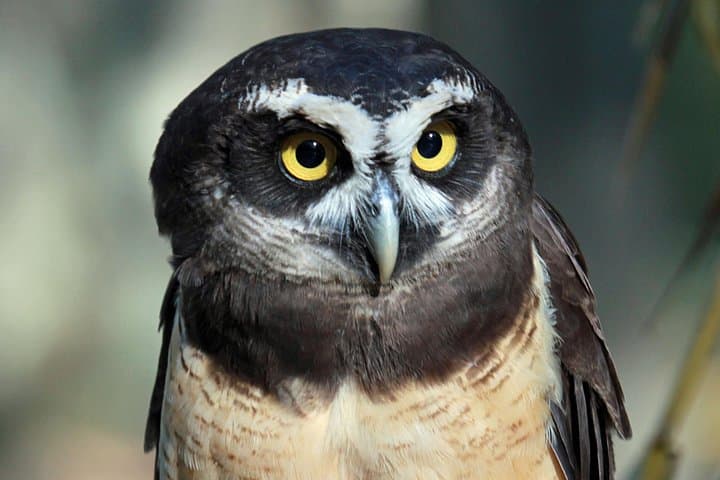
Common sightings include motmots, trogons, various tanagers, woodcreepers, and mixed-species flocks; migrants may appear seasonally.
Transport in an air-conditioned vehicle and a lunch stop are included; birders typically pay for their own meals at the stop.
Guided Bird Tours operates guided outdoor trips and adventures with an emphasis on safety, stewardship, and memorable experiences.

Achiote Road opens like a long, slow page of forest beside the Caribbean side of Colón — low canopy, wet ditches, and shaded clearings where birds appear and vanish with the twitch of a branch.
Achiote Road opens like a long, slow page of forest beside the Caribbean side of Colón — low canopy, wet ditches, and shaded clearings where birds appear and vanish with the twitch of a branch.
Travelers arriving from the cruise terminal cross the new Atlantic Bridge and the bustle of the port gives way to rainforest edge habitat shaped by alluvial soils and canal-era roads. The route itself is known locally for its high species counts during the annual Christmas Bird Count; birders come for mixed flocks, trogons, motmots, and a riot of tanagers and woodcreepers. The geology here is simple—flat coastal plain and riverine deposits—but that low relief concentrates wetlands and secondary forest that attract both resident tropical species and seasonal migrants.
Culturally, Colón adds a working-port backdrop: Afro-Caribbean streets, Canal-era infrastructure, and roadside vendors selling fresh fruit. Guides often point out how local land use and smallholder farms shape the roadside birding, and why supporting experienced local guides helps protect prime patches of habitat.
Practically, expect a full-day outing (7–8 hours) with mostly easy walking on unpaved roads and roadside trails; insects and sudden tropical showers are part of the rhythm. Bring binoculars and a scope if you have one, wear breathable layered clothing, and plan for pickup and drop-off at the cruise port. Guides typically include transport in an air-conditioned vehicle and a lunch stop; movement is steady but relaxed to track calling birds and to scan forest edges for skulking species.