THE ADVENTURE COLLECTIVE® · Independent discovery and booking for outdoor travel

Use an underwater scooter to glide over basalt columns, WWII wrecks and sandy canyons off Aci Castello. Guided by marine biologists, this 3–4 hour dive combines volcanic geology and abundant marine life—ideal for certified divers who want a fast, immersive underwater tour.
Use an underwater scooter to glide over basalt columns, WWII wrecks and sandy canyons off Aci Castello. Guided by marine biologists, this 3–4 hour dive combines volcanic geology and abundant marine life—ideal for certified divers who want a fast, immersive underwater tour.
A low afternoon sun slants across the black basalt ramparts of Aci Castello as divers rig their scooters on the quay, the sea smelling faintly of brine and volcanic rock. Slip beneath the surface and the current seems to push you forward, sending you along a corridor of lava pillows, basalt columns and pale sand; schools of sea bream part like curtains to let the scooter pass.
Verified experiences and guided adventures in the surrounding area.
Operated by Etna & Sea Excursion · Aci Castello, Sicily
A low afternoon sun slants across the black basalt ramparts of Aci Castello as divers rig their scooters on the quay, the sea smelling faintly of brine and volcanic rock. Slip beneath the surface and the current seems to push you forward, sending you along a corridor of lava pillows, basalt columns and pale sand; schools of sea bream part like curtains to let the scooter pass.
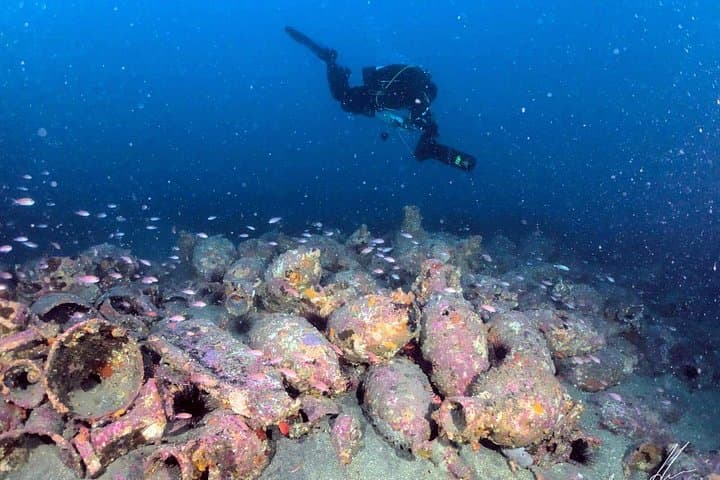
The coastline here is shaped by repeated Etna eruptions: ridges of cooled lava form the Cyclops Islands archipelago and the dramatic underwater canyons that draw divers. WWII wrecks lie scattered in the Gulf of Catania, now home to encrusting sponges and sea fans. Local guides—often marine biologists—explain how ancient flows created the structure you see and how regional fishing culture and myths about the Cyclops shaped town life.
Practically, tours run about 3–4 hours and include modern scuba gear and underwater scooters; an open-water certification or equivalent is required. Expect shallow-to-moderate depth profiles over volcanic rock and sudden drop-offs; buoyancy control matters more than endurance because the scooter amplifies speed. Bring a shorty or 3mm wetsuit in spring and fall, and a full wetsuit in winter if you’re sensitive to cold. Wear reef-safe sunscreen topside, secure loose gear, and avoid touching the fauna—sponges and octopus are fragile.
Timing your dive near high sun improves visibility; early bookings help secure scooter allocations. The experience is equal parts geology lesson and marine encounter—fast, tactile and surprisingly quiet once you slip into the world of lava and light.
Yes—participants must present an open-water scuba certification or equivalent; operators may accept advanced or refresher proof depending on experience.
Typical profiles are shallow to moderate (10–30 meters) along lava ridges and canyons; your guide will plan depths based on conditions and group experience.
Tours can be canceled for bad weather or low visibility; operators usually offer full refunds if they cancel at least 24 hours before departure.
Yes—the route often passes WWII wrecks and habitats with sea bream, octopus, sponges and sea fans; sightings depend on season and visibility.
Etna & Sea Excursion operates guided outdoor trips and adventures with an emphasis on safety, stewardship, and memorable experiences.
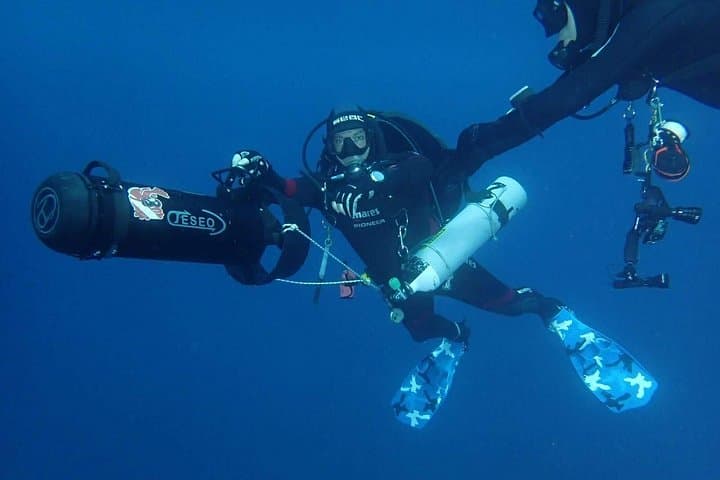
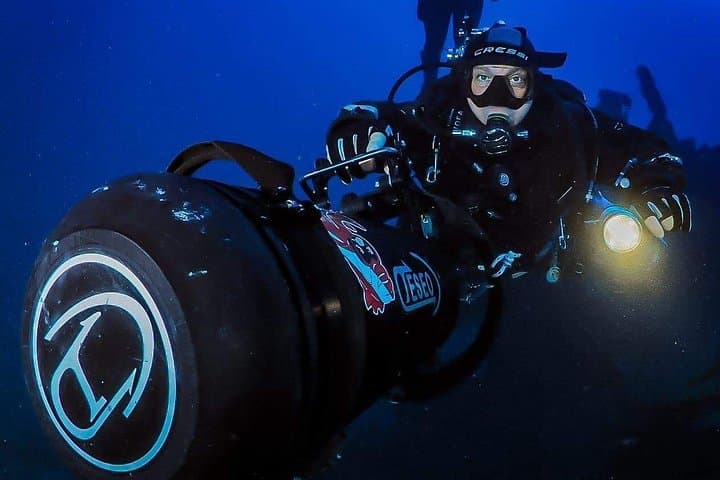
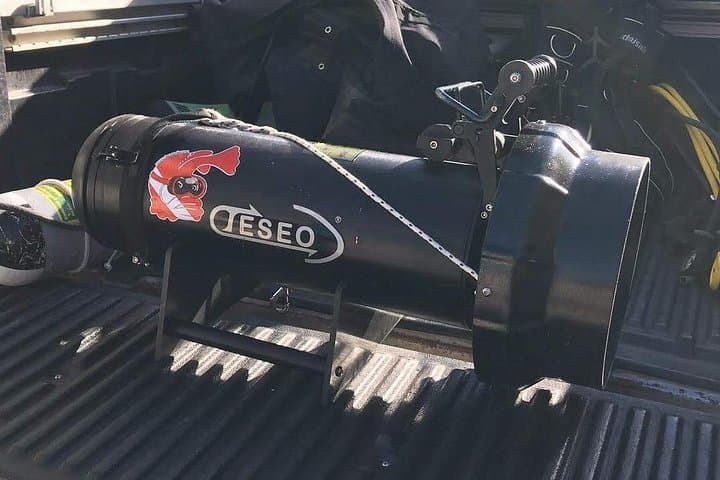
A low afternoon sun slants across the black basalt ramparts of Aci Castello as divers rig their scooters on the quay, the sea smelling faintly of brine and volcanic rock. Slip beneath the surface and the current seems to push you forward, sending you along a corridor of lava pillows, basalt columns and pale sand; schools of sea bream part like curtains to let the scooter pass.
A low afternoon sun slants across the black basalt ramparts of Aci Castello as divers rig their scooters on the quay, the sea smelling faintly of brine and volcanic rock. Slip beneath the surface and the current seems to push you forward, sending you along a corridor of lava pillows, basalt columns and pale sand; schools of sea bream part like curtains to let the scooter pass.
The coastline here is shaped by repeated Etna eruptions: ridges of cooled lava form the Cyclops Islands archipelago and the dramatic underwater canyons that draw divers. WWII wrecks lie scattered in the Gulf of Catania, now home to encrusting sponges and sea fans. Local guides—often marine biologists—explain how ancient flows created the structure you see and how regional fishing culture and myths about the Cyclops shaped town life.
Practically, tours run about 3–4 hours and include modern scuba gear and underwater scooters; an open-water certification or equivalent is required. Expect shallow-to-moderate depth profiles over volcanic rock and sudden drop-offs; buoyancy control matters more than endurance because the scooter amplifies speed. Bring a shorty or 3mm wetsuit in spring and fall, and a full wetsuit in winter if you’re sensitive to cold. Wear reef-safe sunscreen topside, secure loose gear, and avoid touching the fauna—sponges and octopus are fragile.
Timing your dive near high sun improves visibility; early bookings help secure scooter allocations. The experience is equal parts geology lesson and marine encounter—fast, tactile and surprisingly quiet once you slip into the world of lava and light.