THE ADVENTURE COLLECTIVE® · Independent discovery and booking for outdoor travel

Spend a day walking Acre’s Crusader halls and bargaining in its bustling market, then ride a cable car down to Rosh Hanikrah’s sea-carved grottoes. This private tour pairs deep history with dramatic coastal geology and easy logistics from Haifa.
Spend a day walking Acre’s Crusader halls and bargaining in its bustling market, then ride a cable car down to Rosh Hanikrah’s sea-carved grottoes. This private tour pairs deep history with dramatic coastal geology and easy logistics from Haifa.
You step from an air-conditioned van into a stone city where sea salt and spice market aromas meet — the Old City of Acre. Cobbled alleys open onto vaulted halls, a Crusader fortress that holds echoes of a 900-year-old military life, and a port that still smells of fish and diesel. Later, the road climbs the northern coast and the Mediterranean reveals cliff faces pounded into sea caves; a short cable car ride drops you beside limestone grottoes, where waves whisper through narrow chambers and a border fence sits a few hundred meters away.
Verified experiences and guided adventures in the surrounding area.
Operated by The Orange Dreams · Acre, Haifa District
You step from an air-conditioned van into a stone city where sea salt and spice market aromas meet — the Old City of Acre. Cobbled alleys open onto vaulted halls, a Crusader fortress that holds echoes of a 900-year-old military life, and a port that still smells of fish and diesel. Later, the road climbs the northern coast and the Mediterranean reveals cliff faces pounded into sea caves; a short cable car ride drops you beside limestone grottoes, where waves whisper through narrow chambers and a border fence sits a few hundred meters away.
Acre (Akko) is a UNESCO World Heritage site because of its layered history: Crusader fortifications atop earlier Ottoman and Byzantine towns, and a working market that preserves Levantine foodways. Rosh Hanikrah’s white chalk cliffs are the product of coastal erosion along the Levantine shelf; British-era railway tunnels and an abandoned line speak to 20th-century strategic transport. Local culture is mixed Arabic, Jewish and maritime fishing communities — expect bilingual signage and friendly haggling in the souq.
Practicalities are straightforward: plan 6–8 hours, wear sturdy shoes for uneven stones and stairs, and bring sun protection. The tour includes private transport and bottled water, but some site admissions and market purchases are extra. Photography is allowed at the border viewpoint but border crossing is prohibited. Morning light favors the fortress and late afternoon softens the grottoes. If you want quieter alleys, schedule Acre early and Rosh Hanikrah later; the cable car runs on a schedule, so check return times. This pairing gives a compact, walkable day of coastal geology, layered history, and market life with minimal fuss.
Yes — the tour includes private transportation from Haifa; confirm pickup point and time when booking.
Some stops include admission while others do not; check the booking details and bring cash or card for entrances if needed.
No — you may view the border from designated viewpoints but crossing is not permitted on this tour.
The provider notes stroller access and infant seats are available, but some fortress areas and tunnels have stairs and uneven surfaces.
The Orange Dreams operates guided outdoor trips and adventures with an emphasis on safety, stewardship, and memorable experiences.
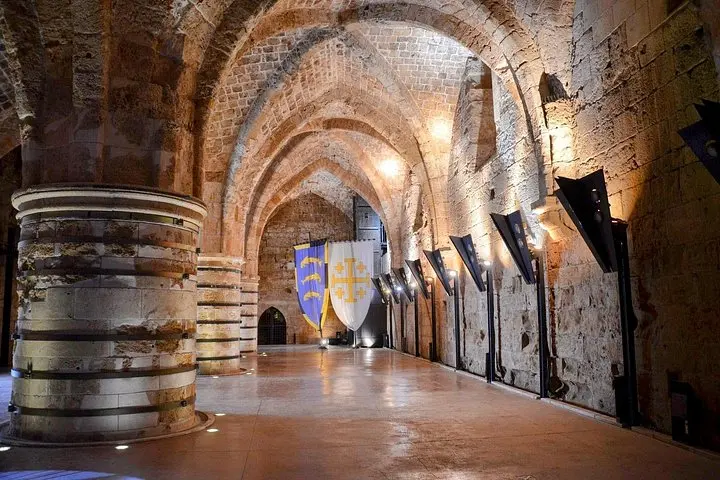
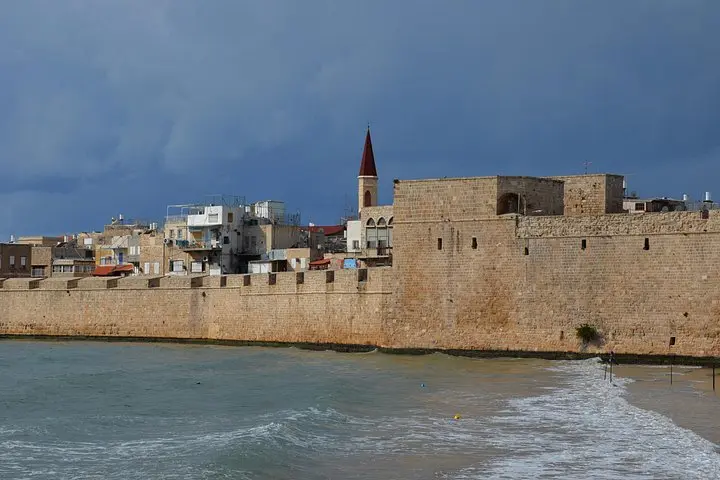
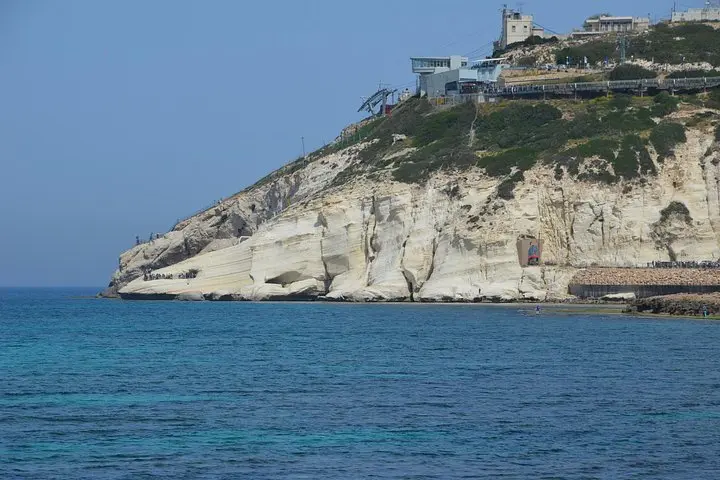
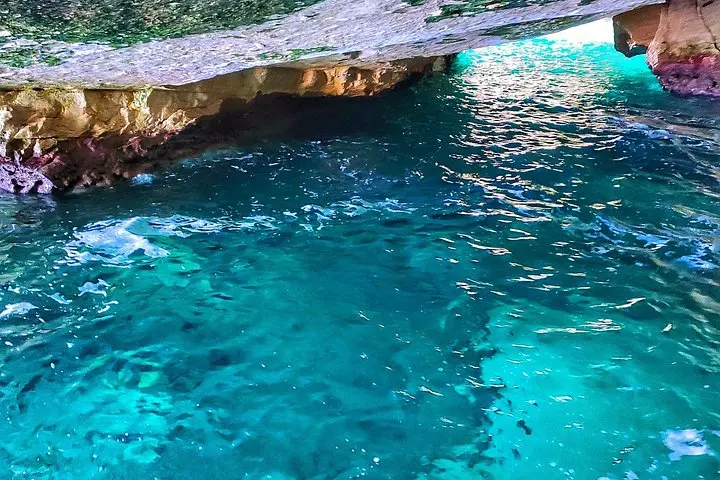
You step from an air-conditioned van into a stone city where sea salt and spice market aromas meet — the Old City of Acre. Cobbled alleys open onto vaulted halls, a Crusader fortress that holds echoes of a 900-year-old military life, and a port that still smells of fish and diesel. Later, the road climbs the northern coast and the Mediterranean reveals cliff faces pounded into sea caves; a short cable car ride drops you beside limestone grottoes, where waves whisper through narrow chambers and a border fence sits a few hundred meters away.
You step from an air-conditioned van into a stone city where sea salt and spice market aromas meet — the Old City of Acre. Cobbled alleys open onto vaulted halls, a Crusader fortress that holds echoes of a 900-year-old military life, and a port that still smells of fish and diesel. Later, the road climbs the northern coast and the Mediterranean reveals cliff faces pounded into sea caves; a short cable car ride drops you beside limestone grottoes, where waves whisper through narrow chambers and a border fence sits a few hundred meters away.
Acre (Akko) is a UNESCO World Heritage site because of its layered history: Crusader fortifications atop earlier Ottoman and Byzantine towns, and a working market that preserves Levantine foodways. Rosh Hanikrah’s white chalk cliffs are the product of coastal erosion along the Levantine shelf; British-era railway tunnels and an abandoned line speak to 20th-century strategic transport. Local culture is mixed Arabic, Jewish and maritime fishing communities — expect bilingual signage and friendly haggling in the souq.
Practicalities are straightforward: plan 6–8 hours, wear sturdy shoes for uneven stones and stairs, and bring sun protection. The tour includes private transport and bottled water, but some site admissions and market purchases are extra. Photography is allowed at the border viewpoint but border crossing is prohibited. Morning light favors the fortress and late afternoon softens the grottoes. If you want quieter alleys, schedule Acre early and Rosh Hanikrah later; the cable car runs on a schedule, so check return times. This pairing gives a compact, walkable day of coastal geology, layered history, and market life with minimal fuss.