THE ADVENTURE COLLECTIVE® · Independent discovery and booking for outdoor travel

A compact five-day itinerary that links Victoria Falls, Chobe National Park and Impalila Island—sunset Zambezi cruises, full-day falls viewpoints and morning game drives combine cultural visits with classic river and savannah wildlife viewing. Read on for what to expect and how to prepare.
A compact five-day itinerary that links Victoria Falls, Chobe National Park and Impalila Island—sunset Zambezi cruises, full-day falls viewpoints and morning game drives combine cultural visits with classic river and savannah wildlife viewing. Read on for what to expect and how to prepare.
You step off the plane into a hot, dust-scented air that hints at river spray and firelight. Within hours the Zambezi will carry you past low islands painted gold by sunset; a day later you’ll stand where mist charges the air at Victoria Falls, feeling its pull from both Zimbabwean and Zambian viewpoints.
Verified experiences and guided adventures in the surrounding area.
Operated by Cuckoo Safaris · Victoria Falls, Matabeleland North
You step off the plane into a hot, dust-scented air that hints at river spray and firelight. Within hours the Zambezi will carry you past low islands painted gold by sunset; a day later you’ll stand where mist charges the air at Victoria Falls, feeling its pull from both Zimbabwean and Zambian viewpoints.
This five-day route threads together the region’s geology and cultures: the basalt cliffs carved by the Zambezi, the broad Chobe floodplain that feeds seasonal wildlife congregations, and Impalila Island’s communities shaped by river trade and cross-border ties. The falls themselves are the visible edge of a larger watershed—one that has long supported Lozi, Ndebele and Tonga peoples and later colonial river routes.
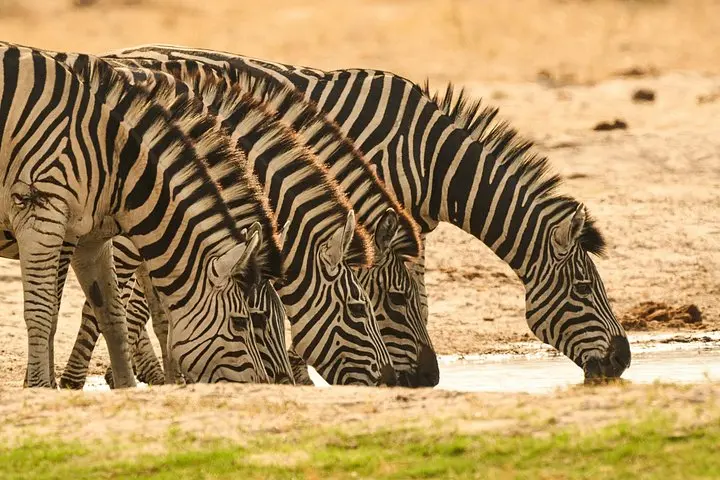
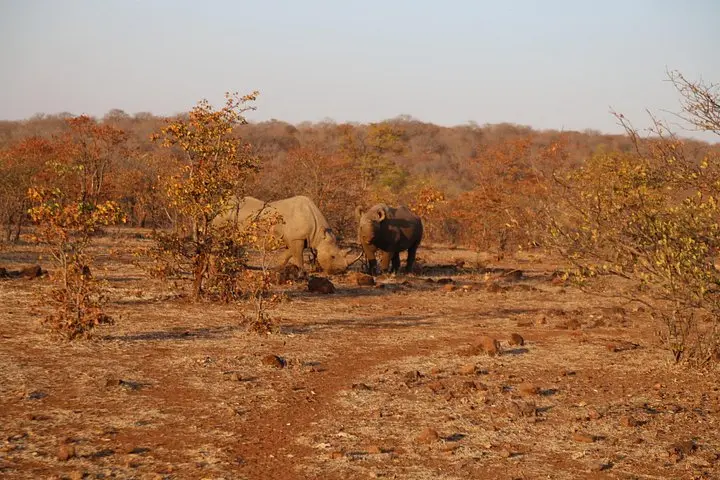
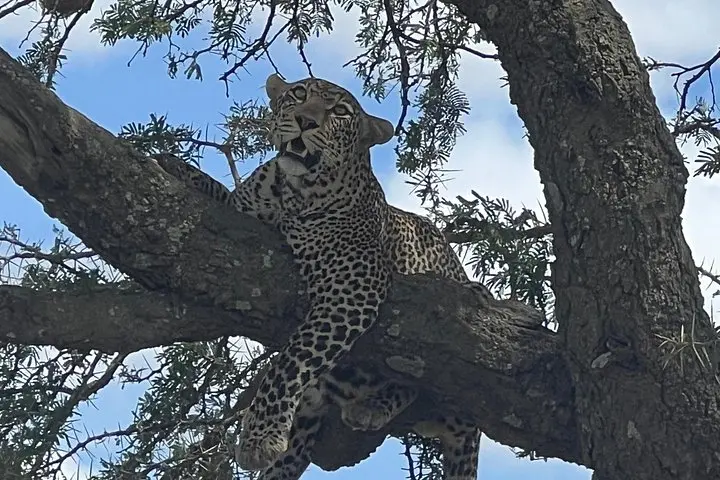
Expect early starts for game drives (cats hunt at first light), mid-afternoon boat cruises where hippos and elephants come to drink, and a guided village visit that introduces local crafts and daily rhythms. Terrain is lowland savannah, riverbank trails and short rocky lookout paths; footwear should be sturdy but lightweight. Border crossings are routine on this itinerary; passport, visas and yellow fever evidence can be required depending on nationality. Pack a lightweight rain jacket for spray near the falls, sunscreen, reusable water bottle and a good pair of binoculars.
Timing matters: the wet season deepens the falls and fills floodplains; dry months concentrate wildlife for easier viewing. Guides handle logistics and most transfers, but bring small local cash for tips and market purchases. This tour balances spectacle with down-to-earth logistics—river afternoons, thunderous cascades, and morning drives that keep wildlife close and the rhythm of Africa immediate and manageable.
Visa requirements depend on your nationality—many travelers need visas for Zimbabwe and Zambia and may require permits for Botswana/Namibia; check consular sites before travel.
The tour is rated easy: most time is spent on guided drives, boat cruises and short walking viewpoints rather than long hikes.
Tipping is usually not included; bring small local currency for guides and lodge staff—ask your operator for recommended amounts.
Most transfers and listed activities are included, but confirm any park entrance fees, visa fees or optional extras with the operator before booking.
Cuckoo Safaris operates guided outdoor trips and adventures with an emphasis on safety, stewardship, and memorable experiences.
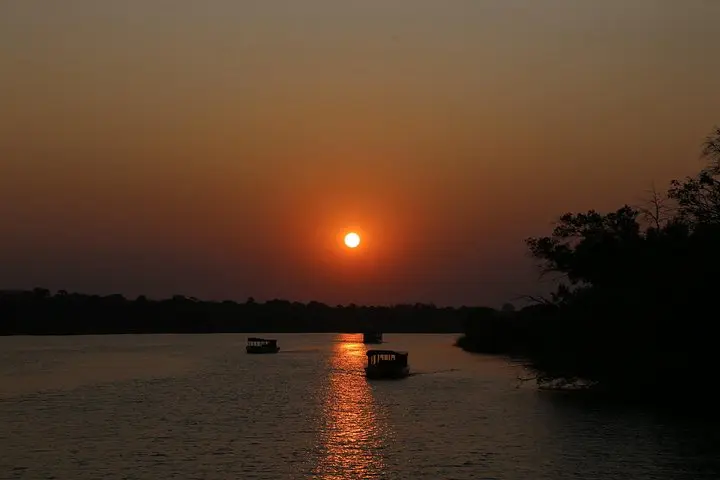
You step off the plane into a hot, dust-scented air that hints at river spray and firelight. Within hours the Zambezi will carry you past low islands painted gold by sunset; a day later you’ll stand where mist charges the air at Victoria Falls, feeling its pull from both Zimbabwean and Zambian viewpoints.
You step off the plane into a hot, dust-scented air that hints at river spray and firelight. Within hours the Zambezi will carry you past low islands painted gold by sunset; a day later you’ll stand where mist charges the air at Victoria Falls, feeling its pull from both Zimbabwean and Zambian viewpoints.
This five-day route threads together the region’s geology and cultures: the basalt cliffs carved by the Zambezi, the broad Chobe floodplain that feeds seasonal wildlife congregations, and Impalila Island’s communities shaped by river trade and cross-border ties. The falls themselves are the visible edge of a larger watershed—one that has long supported Lozi, Ndebele and Tonga peoples and later colonial river routes.
Expect early starts for game drives (cats hunt at first light), mid-afternoon boat cruises where hippos and elephants come to drink, and a guided village visit that introduces local crafts and daily rhythms. Terrain is lowland savannah, riverbank trails and short rocky lookout paths; footwear should be sturdy but lightweight. Border crossings are routine on this itinerary; passport, visas and yellow fever evidence can be required depending on nationality. Pack a lightweight rain jacket for spray near the falls, sunscreen, reusable water bottle and a good pair of binoculars.
Timing matters: the wet season deepens the falls and fills floodplains; dry months concentrate wildlife for easier viewing. Guides handle logistics and most transfers, but bring small local cash for tips and market purchases. This tour balances spectacle with down-to-earth logistics—river afternoons, thunderous cascades, and morning drives that keep wildlife close and the rhythm of Africa immediate and manageable.