THE ADVENTURE COLLECTIVE® · Independent discovery and booking for outdoor travel

A 17-day loop through Langtang National Park that links Tamang villages, the sacred Gosaikunda lakes and Helambu’s high ridges. Expect teahouse nights, a 4,610 m pass and varied terrain from rhododendron forests to moraines.
A 17-day loop through Langtang National Park that links Tamang villages, the sacred Gosaikunda lakes and Helambu’s high ridges. Expect teahouse nights, a 4,610 m pass and varied terrain from rhododendron forests to moraines.
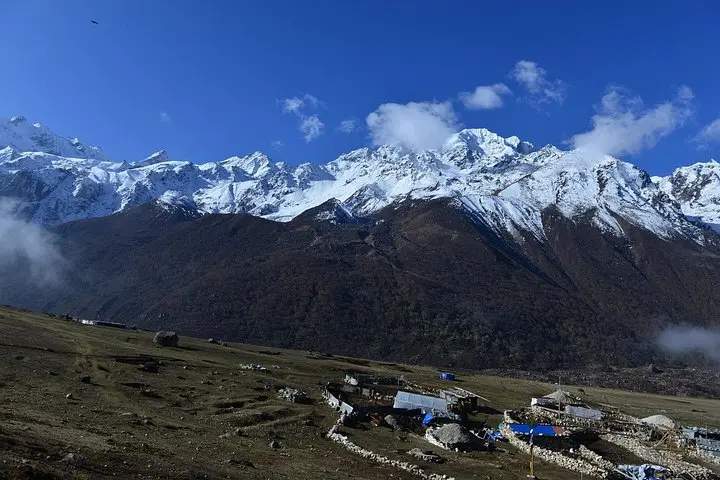
You step off the jeep in Syabrubesi and the road noise falls away; the Langtang Khola immediately begins to pull you up through oak and rhododendron, the trail rising and falling like a deliberate breath. Over the next 17 days this route threads high meadows, yak pastures and monasteries from Syabrubesi (1,550 m) to Kyangjin Gompa (3,870 m), up Tserko Ri (approx. 5,000 m) and over the Laurebina Pass (4,610 m) into the Helambu valleys.
Verified experiences and guided adventures in the surrounding area.
Operated by himalayan sanctuary adventure private limited · Kathmandu, Bagmati Province
You step off the jeep in Syabrubesi and the road noise falls away; the Langtang Khola immediately begins to pull you up through oak and rhododendron, the trail rising and falling like a deliberate breath. Over the next 17 days this route threads high meadows, yak pastures and monasteries from Syabrubesi (1,550 m) to Kyangjin Gompa (3,870 m), up Tserko Ri (approx. 5,000 m) and over the Laurebina Pass (4,610 m) into the Helambu valleys.
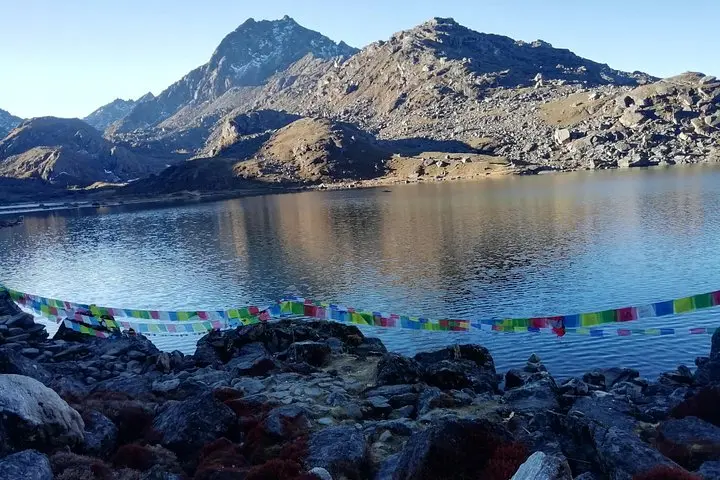
The trek skims volatile geology—glacial moraines, steep-sided U-valleys carved by ice—and runs through Langtang National Park, an area shaped by Himalayan uplift and frequent seismic activity. Culturally the route is a living mosaic: Tamang villages in Langtang, Buddhist gompas and mani walls in Kyangjin, and Sherpa communities in Helambu. Gosaikunda (≈4,380 m) punctuates the trail as both a scenic basin and a pilgrimage site tied to Hindu legend.
Practically, expect mixed terrain: steep stone staircases, narrow ridgelines, repeated river crossings and sections of loose moraine above treeline. Daily hiking averages 4–7 hours with a few long acclimatization days (notably Tserko Ri). Accommodation is teahouse-style; food is hearty but simple. Porter service is typically provided in this itinerary, easing load but not removing the need for proper layering.
Plan for altitude management, flexible pacing and basic winter skills if traveling outside the post-monsoon season. Good boots, layered insulation, water treatment and a conservative ascent profile will keep the mountains inviting rather than punishing.
Yes—Langtang National Park permits and TIMS are required; this itinerary indicates all paperwork and permits are handled by the operator.
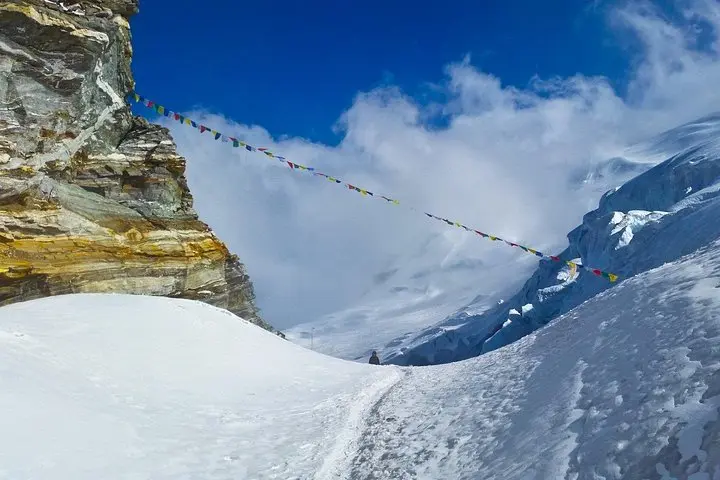
Laurebina La (≈4,610 m) is a high, exposed pass with loose moraine; it’s non-technical but physically demanding and weather-dependent.
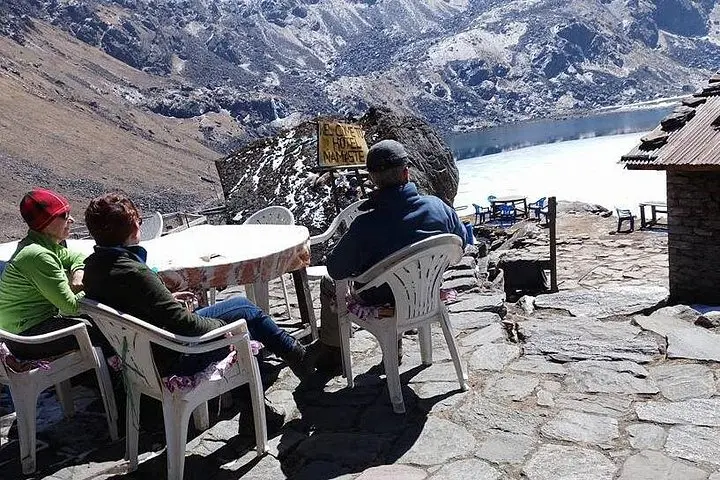
Teahouse lodges along the trail provide basic twin rooms and communal meals—dal bhat is common; dietary options vary by village.
Post-monsoon (Sept–Nov) and spring (Mar–May) offer the most stable weather and clear mountain views, though spring adds rhododendron blooms.
himalayan sanctuary adventure private limited operates guided outdoor trips and adventures with an emphasis on safety, stewardship, and memorable experiences.
You step off the jeep in Syabrubesi and the road noise falls away; the Langtang Khola immediately begins to pull you up through oak and rhododendron, the trail rising and falling like a deliberate breath. Over the next 17 days this route threads high meadows, yak pastures and monasteries from Syabrubesi (1,550 m) to Kyangjin Gompa (3,870 m), up Tserko Ri (approx. 5,000 m) and over the Laurebina Pass (4,610 m) into the Helambu valleys.
You step off the jeep in Syabrubesi and the road noise falls away; the Langtang Khola immediately begins to pull you up through oak and rhododendron, the trail rising and falling like a deliberate breath. Over the next 17 days this route threads high meadows, yak pastures and monasteries from Syabrubesi (1,550 m) to Kyangjin Gompa (3,870 m), up Tserko Ri (approx. 5,000 m) and over the Laurebina Pass (4,610 m) into the Helambu valleys.
The trek skims volatile geology—glacial moraines, steep-sided U-valleys carved by ice—and runs through Langtang National Park, an area shaped by Himalayan uplift and frequent seismic activity. Culturally the route is a living mosaic: Tamang villages in Langtang, Buddhist gompas and mani walls in Kyangjin, and Sherpa communities in Helambu. Gosaikunda (≈4,380 m) punctuates the trail as both a scenic basin and a pilgrimage site tied to Hindu legend.
Practically, expect mixed terrain: steep stone staircases, narrow ridgelines, repeated river crossings and sections of loose moraine above treeline. Daily hiking averages 4–7 hours with a few long acclimatization days (notably Tserko Ri). Accommodation is teahouse-style; food is hearty but simple. Porter service is typically provided in this itinerary, easing load but not removing the need for proper layering.
Plan for altitude management, flexible pacing and basic winter skills if traveling outside the post-monsoon season. Good boots, layered insulation, water treatment and a conservative ascent profile will keep the mountains inviting rather than punishing.