THE ADVENTURE COLLECTIVE® · Independent discovery and booking for outdoor travel

A 16-night guided circuit through Israel, Jordan and Egypt that combines major archaeological sites, desert treks and a Nile cruise. Expect early starts, border crossings, and a mix of guided walks and cultural immersion.
A 16-night guided circuit through Israel, Jordan and Egypt that combines major archaeological sites, desert treks and a Nile cruise. Expect early starts, border crossings, and a mix of guided walks and cultural immersion.
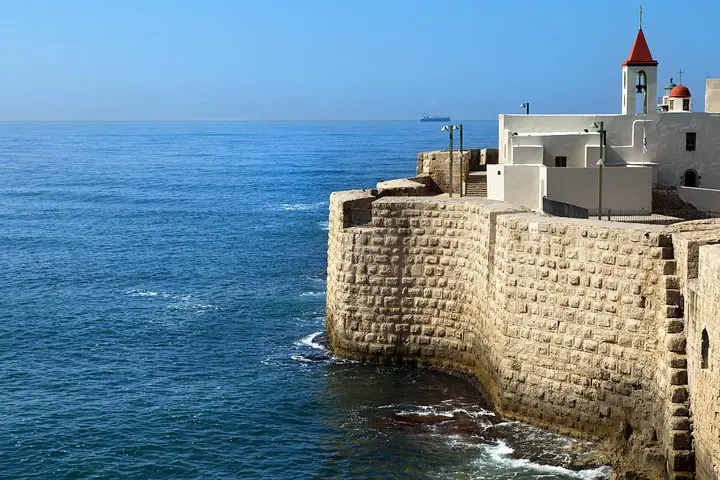
A low sun glints off the Mediterranean as a minibus pulls away from Ben Gurion, beginning a route that stitches coastal cities, desert plateaus, and the Nile’s slow curve into a single itinerary. Travelers move from Tel Aviv’s modern energy to Jerusalem’s layered stones, follow Roman roads to Caesarea’s amphitheater, float on the Dead Sea’s buoyant surface, and watch Petra’s Treasury appear at the end of a narrow siq like a carved revelation.
Verified experiences and guided adventures in the surrounding area.
Operated by Booking-tours.com · Tel Aviv, Tel Aviv District
A low sun glints off the Mediterranean as a minibus pulls away from Ben Gurion, beginning a route that stitches coastal cities, desert plateaus, and the Nile’s slow curve into a single itinerary. Travelers move from Tel Aviv’s modern energy to Jerusalem’s layered stones, follow Roman roads to Caesarea’s amphitheater, float on the Dead Sea’s buoyant surface, and watch Petra’s Treasury appear at the end of a narrow siq like a carved revelation.
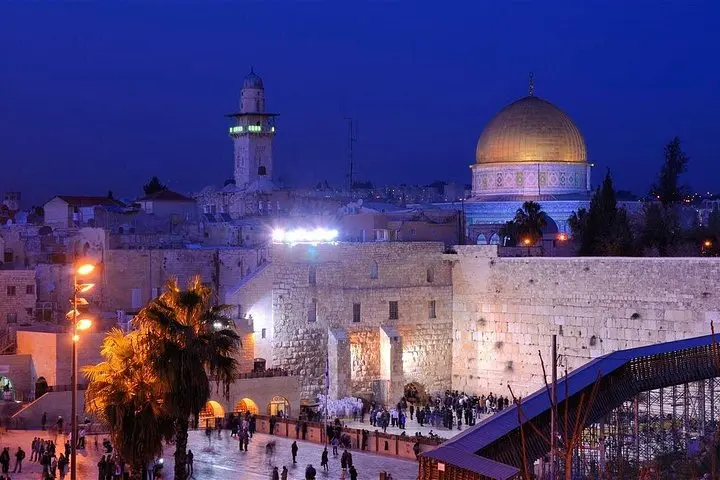
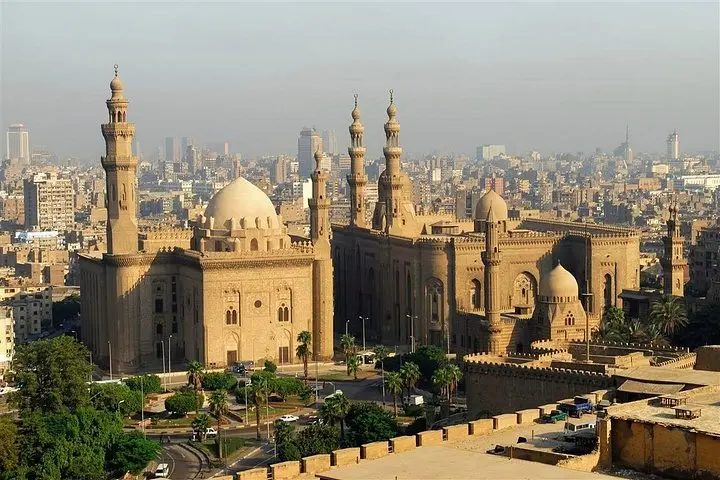
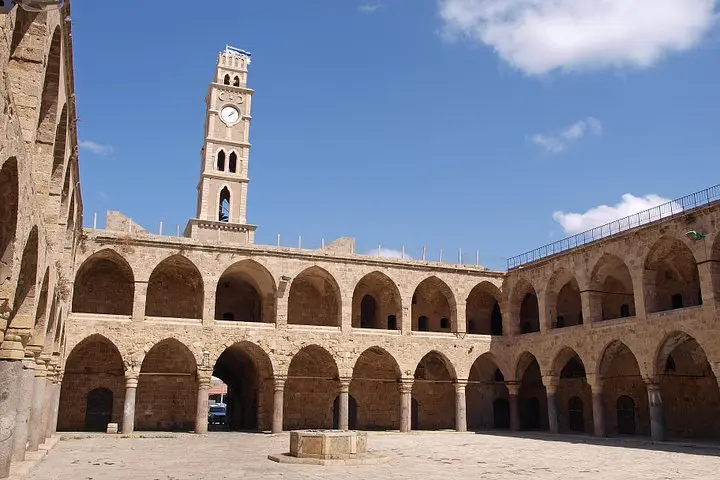
History here is raw and accessible: Bronze Age Jericho, Herod’s palaces at Masada, Nabatean engineering in Petra, Pharaonic monuments on the Giza Plateau, and Philae’s island temple punctuate narratives of empire, faith, and trade. Geology shapes the route—the Judean Desert’s sandstone mesas give way to Wadi Rum–like red beds in southern Jordan and alluvial fertility along the Nile. Local culture runs visible—street markets, Coptic churches, prayer calls, and Bedouin hospitality—and the practicalities of crossing borders and religions are part of the landscape.
Practical guidance is straightforward. Expect early starts and long coach transfers; bring breathable layers for heat by day and cool nights in the desert. Dress conservatively at religious sites (knees and shoulders covered) and carry passport copies and required visas. Hydration and sun protection matter: some days include walking on uneven ancient stone and short hikes (Masada, Mount Sinai, Petra). Plan for tipping customs (baksheesh) in Egypt and allow extra time at border crossings. This tour is paced for travelers who want concentrated access to major archaeological and religious sites without independent logistics—ideal for those who prefer guided context while still spending time outdoors.
Visa requirements depend on nationality—travelers must confirm and obtain visas in advance where required; the tour requires a valid passport at booking.
Knees and shoulders must be covered for men and women at many religious sites; no shorts or sleeveless tops are permitted in certain churches and mosques.
The itinerary requires moderate fitness—expect walking tours, stairs, and optional hikes (Masada, Mount Sinai, Petra); most walking is non-technical but can be strenuous.
Yes—local tipping (baksheesh) is customary in Egypt and common elsewhere; guides can advise appropriate amounts during the tour.
Booking-tours.com operates guided outdoor trips and adventures with an emphasis on safety, stewardship, and memorable experiences.
A low sun glints off the Mediterranean as a minibus pulls away from Ben Gurion, beginning a route that stitches coastal cities, desert plateaus, and the Nile’s slow curve into a single itinerary. Travelers move from Tel Aviv’s modern energy to Jerusalem’s layered stones, follow Roman roads to Caesarea’s amphitheater, float on the Dead Sea’s buoyant surface, and watch Petra’s Treasury appear at the end of a narrow siq like a carved revelation.
A low sun glints off the Mediterranean as a minibus pulls away from Ben Gurion, beginning a route that stitches coastal cities, desert plateaus, and the Nile’s slow curve into a single itinerary. Travelers move from Tel Aviv’s modern energy to Jerusalem’s layered stones, follow Roman roads to Caesarea’s amphitheater, float on the Dead Sea’s buoyant surface, and watch Petra’s Treasury appear at the end of a narrow siq like a carved revelation.
History here is raw and accessible: Bronze Age Jericho, Herod’s palaces at Masada, Nabatean engineering in Petra, Pharaonic monuments on the Giza Plateau, and Philae’s island temple punctuate narratives of empire, faith, and trade. Geology shapes the route—the Judean Desert’s sandstone mesas give way to Wadi Rum–like red beds in southern Jordan and alluvial fertility along the Nile. Local culture runs visible—street markets, Coptic churches, prayer calls, and Bedouin hospitality—and the practicalities of crossing borders and religions are part of the landscape.
Practical guidance is straightforward. Expect early starts and long coach transfers; bring breathable layers for heat by day and cool nights in the desert. Dress conservatively at religious sites (knees and shoulders covered) and carry passport copies and required visas. Hydration and sun protection matter: some days include walking on uneven ancient stone and short hikes (Masada, Mount Sinai, Petra). Plan for tipping customs (baksheesh) in Egypt and allow extra time at border crossings. This tour is paced for travelers who want concentrated access to major archaeological and religious sites without independent logistics—ideal for those who prefer guided context while still spending time outdoors.