THE ADVENTURE COLLECTIVE® · Independent discovery and booking for outdoor travel

Move through the story of Egyptian pyramid-building in a single, carefully paced day. From the Step Pyramid at Saqqara to the Red Pyramid at Dahshur, this tour places you at monuments that chart the rise of pharaonic engineering.
Move through the story of Egyptian pyramid-building in a single, carefully paced day. From the Step Pyramid at Saqqara to the Red Pyramid at Dahshur, this tour places you at monuments that chart the rise of pharaonic engineering.
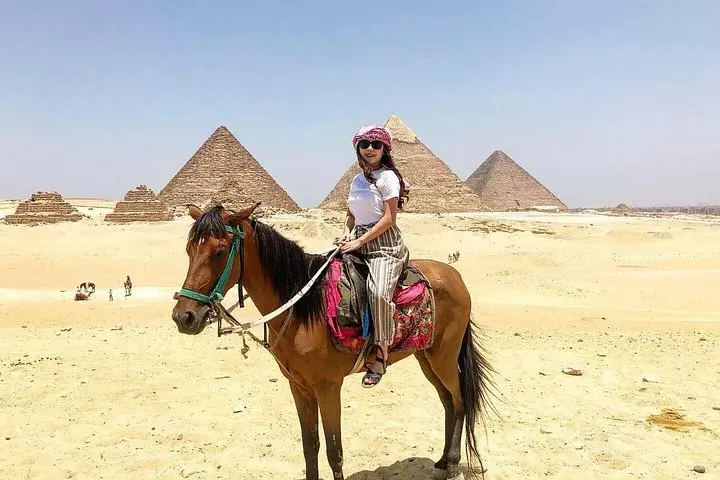
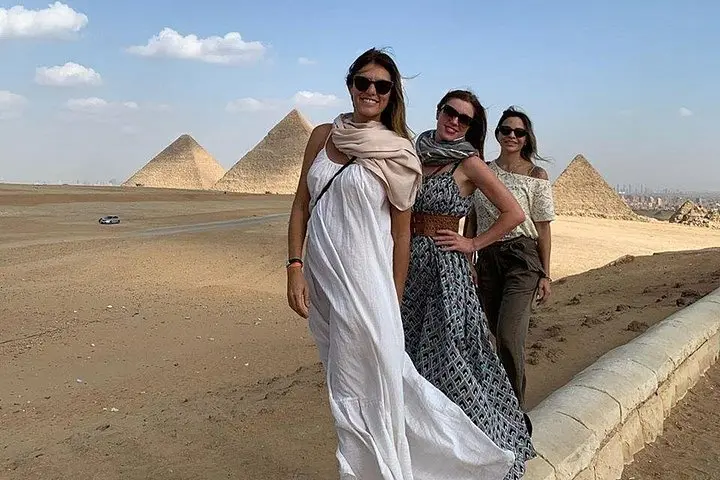
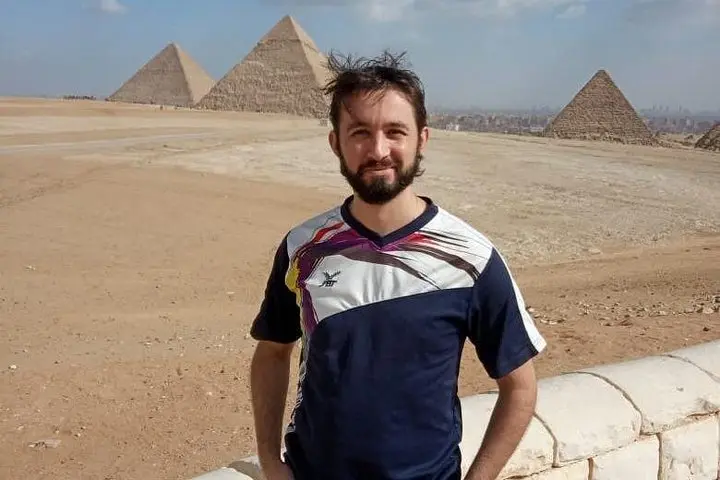
You step from an air-conditioned car into a wind that seems to carry 4,500 years of dust and stories. The Great Pyramid towers above like a patient architect; the Sahara edges push at the plateau as if to test your resolve. Cameras click, voices fall into reverent hush, and an Egyptologist’s cadence reshapes stones into people and labor.
Verified experiences and guided adventures in the surrounding area.
Operated by Egypt Lifetime Tours · Giza, Cairo
You step from an air-conditioned car into a wind that seems to carry 4,500 years of dust and stories. The Great Pyramid towers above like a patient architect; the Sahara edges push at the plateau as if to test your resolve. Cameras click, voices fall into reverent hush, and an Egyptologist’s cadence reshapes stones into people and labor.
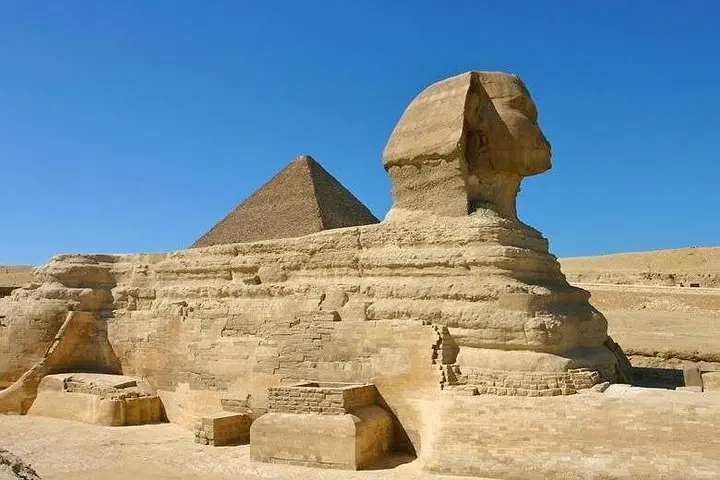
This single-day circuit traces the arc of pyramid development: the Step Pyramid at Saqqara where stone stacking became ambition; the Giza complex and its hulking trio of Cheops, Khafre and Menkaure; the Valley Temple and Sphinx, carved to guard a pharaoh’s passage; then Memphis’s open-air museum, where a fallen colossus still claims presence. South at Dahshur the Bent and Red Pyramids expose trial-and-error in engineering—angles and materials telling a story of evolution more than myth.
Geology here is blunt: Nile silt plains give way to limestone ridgelines that supplied the blocks. Culture is immediate — local papyrus studios, market stalls and restaurateurs keep millennia-old techniques visible.
Practical guidance: the day is long (about nine hours) with uneven stone steps and loose sand; sensible shoes and sun protection matter more than speed. Entrance fees and some optional sites (burial chamber, Solar Boat Museum, camel rides) often require extra tickets or cards. Carry water, pace photo stops, and budget time for restroom breaks and lunch. Respect restricted zones and the site guides who steward fragile monuments; small choices by visitors determine whether these structures remain a living classroom for future travelers.
Entrance fees are not included; the operator notes that you will need to pay entrance fees by card at the sites.
Entering pyramid burial chambers is optional and requires separate tickets and may be closed for conservation or crowd control on certain days.
Parts of the itinerary are wheelchair accessible, but many ancient sites have uneven terrain and steps—check with the operator about specific accessibility arrangements.
Yes, the tour includes lunch at a local restaurant as part of the day’s itinerary.
Egypt Lifetime Tours operates guided outdoor trips and adventures with an emphasis on safety, stewardship, and memorable experiences.
You step from an air-conditioned car into a wind that seems to carry 4,500 years of dust and stories. The Great Pyramid towers above like a patient architect; the Sahara edges push at the plateau as if to test your resolve. Cameras click, voices fall into reverent hush, and an Egyptologist’s cadence reshapes stones into people and labor.
You step from an air-conditioned car into a wind that seems to carry 4,500 years of dust and stories. The Great Pyramid towers above like a patient architect; the Sahara edges push at the plateau as if to test your resolve. Cameras click, voices fall into reverent hush, and an Egyptologist’s cadence reshapes stones into people and labor.
This single-day circuit traces the arc of pyramid development: the Step Pyramid at Saqqara where stone stacking became ambition; the Giza complex and its hulking trio of Cheops, Khafre and Menkaure; the Valley Temple and Sphinx, carved to guard a pharaoh’s passage; then Memphis’s open-air museum, where a fallen colossus still claims presence. South at Dahshur the Bent and Red Pyramids expose trial-and-error in engineering—angles and materials telling a story of evolution more than myth.
Geology here is blunt: Nile silt plains give way to limestone ridgelines that supplied the blocks. Culture is immediate — local papyrus studios, market stalls and restaurateurs keep millennia-old techniques visible.
Practical guidance: the day is long (about nine hours) with uneven stone steps and loose sand; sensible shoes and sun protection matter more than speed. Entrance fees and some optional sites (burial chamber, Solar Boat Museum, camel rides) often require extra tickets or cards. Carry water, pace photo stops, and budget time for restroom breaks and lunch. Respect restricted zones and the site guides who steward fragile monuments; small choices by visitors determine whether these structures remain a living classroom for future travelers.