THE ADVENTURE COLLECTIVE® · Independent discovery and booking for outdoor travel

Cross the Yangon River for a full day in Dala: tricycle through village lanes, visit Botahtaung Pagoda for water-nat traditions, then return to Yangon for lunch and Bogyoke (Scott) Market. A practical, immersive look at rural life just minutes from downtown.
Cross the Yangon River for a full day in Dala: tricycle through village lanes, visit Botahtaung Pagoda for water-nat traditions, then return to Yangon for lunch and Bogyoke (Scott) Market. A practical, immersive look at rural life just minutes from downtown.
The river parts like a highway of timber and ferries, daring you to cross for a day. In the half-hour ferry ride from central Yangon you leave traffic lights and glass-fronted shops behind; paddled boats and concrete piers guide you into Dala’s low-slung streets where tricycles thread between wooden homes and open-air stalls.
Verified experiences and guided adventures in the surrounding area.
Operated by Astoria Travels Tours · Yangon, Yangon Region
The river parts like a highway of timber and ferries, daring you to cross for a day. In the half-hour ferry ride from central Yangon you leave traffic lights and glass-fronted shops behind; paddled boats and concrete piers guide you into Dala’s low-slung streets where tricycles thread between wooden homes and open-air stalls.
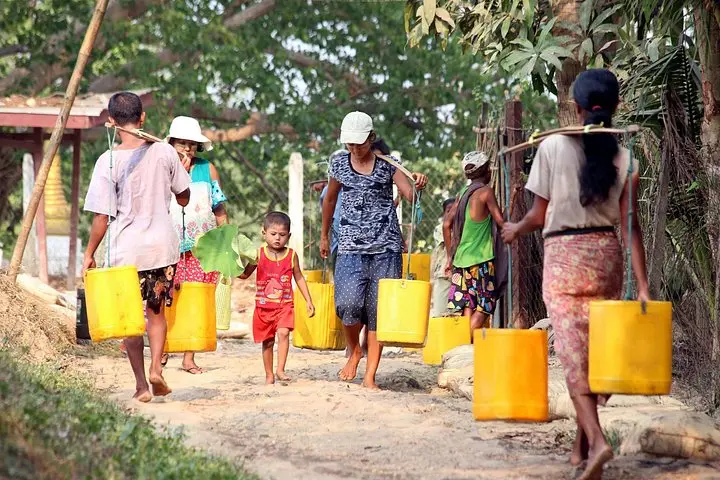
Dala sits on the river’s western bank opposite downtown Yangon. Its flat plains were shaped by Yangon River sediments—mangrove fringe, tidal mudflats and reclaimed paddy—so the terrain is almost entirely level, dotted with canals and the occasional termite mound. Historically the township grew as a ferry-linked satellite: colonial trade routes, wartime crossings and long-standing village networks still inform its markets and pagodas. Culture here is hands-on: tea-shop conversations, lacquerware workshops, and the local belief in water nats at Botahtaung Pagoda that travelers often notice.
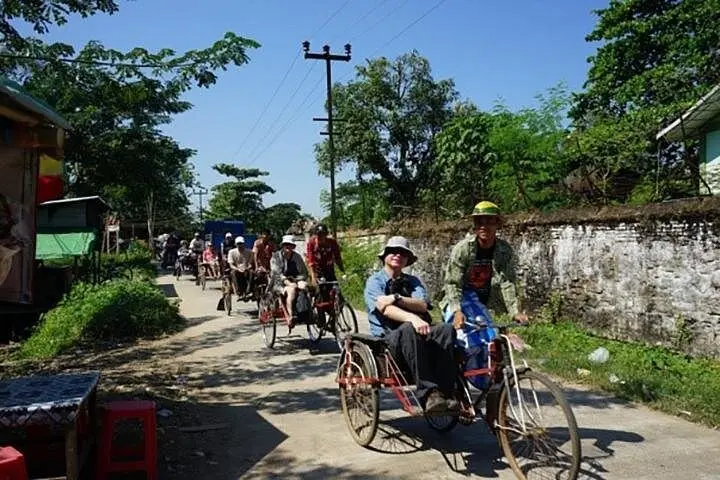
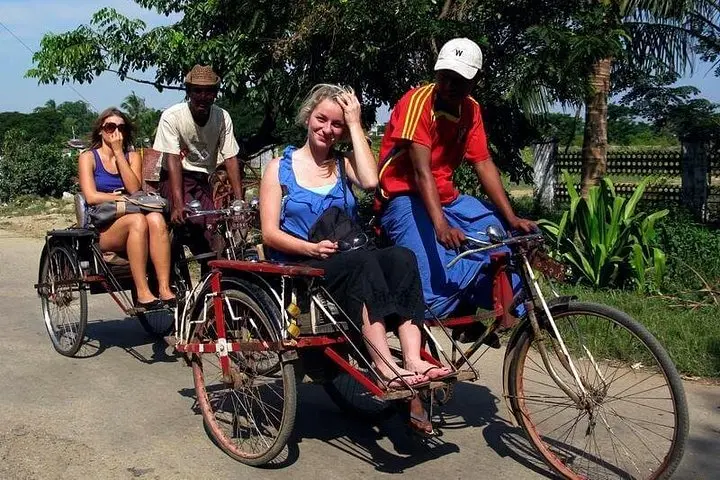
Expect two hours on a local tricycle loop covering roughly 6–8 km of paved and packed-earth lanes with negligible elevation gain. You’ll then return to Yangon to visit Botahtaung Pagoda and Bogyoke (Scott) Market after a Myanmar-style lunch. The pace is observational—stop often, carry water, and listen to the guide translate both history and day-to-day rhythms.
Practical tips: wear closed-toe shoes for uneven village lanes, bring small-denomination kyat for purchases, and plan crossings for mid-morning or late afternoon when ferry waits are shorter. Respect shrine etiquette at pagodas (shoulders and knees covered) and use a refillable bottle—river plastics are visible and local groups are active in cleanup efforts.
The active river crossing from Yangon docks to Dala takes a few minutes per ferry but waits depend on schedule and crowds; plan for 15–30 minutes round-trip including boarding.
Children can enjoy the tricycle ride but the operator does not recommend the tour for pregnant travelers due to boat and vehicle movement and moderate physical requirements.
The tour includes an English-speaking guide; local guides may also translate Burmese and basic regional dialects as needed.
Yes—lunch of Myanmar food is included as part of the full-day itinerary.
Astoria Travels Tours operates guided outdoor trips and adventures with an emphasis on safety, stewardship, and memorable experiences.
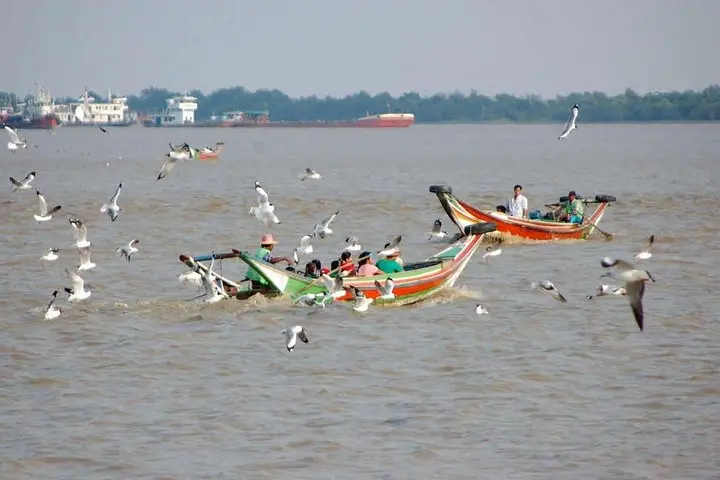
The river parts like a highway of timber and ferries, daring you to cross for a day. In the half-hour ferry ride from central Yangon you leave traffic lights and glass-fronted shops behind; paddled boats and concrete piers guide you into Dala’s low-slung streets where tricycles thread between wooden homes and open-air stalls.
The river parts like a highway of timber and ferries, daring you to cross for a day. In the half-hour ferry ride from central Yangon you leave traffic lights and glass-fronted shops behind; paddled boats and concrete piers guide you into Dala’s low-slung streets where tricycles thread between wooden homes and open-air stalls.
Dala sits on the river’s western bank opposite downtown Yangon. Its flat plains were shaped by Yangon River sediments—mangrove fringe, tidal mudflats and reclaimed paddy—so the terrain is almost entirely level, dotted with canals and the occasional termite mound. Historically the township grew as a ferry-linked satellite: colonial trade routes, wartime crossings and long-standing village networks still inform its markets and pagodas. Culture here is hands-on: tea-shop conversations, lacquerware workshops, and the local belief in water nats at Botahtaung Pagoda that travelers often notice.
Expect two hours on a local tricycle loop covering roughly 6–8 km of paved and packed-earth lanes with negligible elevation gain. You’ll then return to Yangon to visit Botahtaung Pagoda and Bogyoke (Scott) Market after a Myanmar-style lunch. The pace is observational—stop often, carry water, and listen to the guide translate both history and day-to-day rhythms.
Practical tips: wear closed-toe shoes for uneven village lanes, bring small-denomination kyat for purchases, and plan crossings for mid-morning or late afternoon when ferry waits are shorter. Respect shrine etiquette at pagodas (shoulders and knees covered) and use a refillable bottle—river plastics are visible and local groups are active in cleanup efforts.