THE ADVENTURE COLLECTIVE® · Independent discovery and booking for outdoor travel

Venture from Hopkins into Actun Tunichil Muknal — Belize’s ceremonial underworld — where river crossings, tight passages, and preserved Maya offerings culminate at the crystallized remains known as the Crystal Maiden. This day trip blends jungle hiking with guided cave exploration and strict site preservation.
Venture from Hopkins into Actun Tunichil Muknal — Belize’s ceremonial underworld — where river crossings, tight passages, and preserved Maya offerings culminate at the crystallized remains known as the Crystal Maiden. This day trip blends jungle hiking with guided cave exploration and strict site preservation.
You step off the trail where the jungle hush is interrupted by a river that dares you across its shoulders. Guides fit helmets and headlamps with brisk efficiency; the air smells of wet limestone and loam. A thirty-minute walk through forest gives way to a narrow hourglass entrance, and then the cave takes over — a dark corridor where ankle-deep streams and waist-high pools negotiate every foot of progress. The light from your lamp reveals calcified curtains, shattered pottery, and, farther in, the crystallized outline of what local guides simply call the Crystal Maiden.
Verified experiences and guided adventures in the surrounding area.
Operated by Private Belize Adventure · San Ignacio, Cayo District
You step off the trail where the jungle hush is interrupted by a river that dares you across its shoulders. Guides fit helmets and headlamps with brisk efficiency; the air smells of wet limestone and loam. A thirty-minute walk through forest gives way to a narrow hourglass entrance, and then the cave takes over — a dark corridor where ankle-deep streams and waist-high pools negotiate every foot of progress. The light from your lamp reveals calcified curtains, shattered pottery, and, farther in, the crystallized outline of what local guides simply call the Crystal Maiden.
Actun Tunichil Muknal — the Cave of the Stone Sepulcher — sits in Belize’s Cayo region and carries a layered history. The Maya used these caverns for centuries as portals to the underworld, performing bloodletting and ceremonial offerings from roughly 1–1000 AD. Geologically, the cave is a working limestone system: rainwater has dissolved passages and left cavernous rooms studded with stalactites and flowstone. The slow chemistry of drip and mineral has also preserved the human remnants left on the cave floor, creating one of the most visceral archaeological sites in Central America.
The culture attached to ATM is intimate and solemn. Guides trained in both local lore and site preservation insist on reverent pacing — no flash photography near skeletal remains, no touching of formations that took millennia to build. This is not a spelunking thrill ride so much as an encounter with an archaeological site that still feels alive: pottery shards, tools, and bones fuse with the rock in dim light, demanding quiet attention.
Practically, the trip is a mixture of hiking, wading, and short swims. Expect three river crossings and variable depth up to waist level; slick limestone and tight squeezes mean good balance and steady shoes matter. Your group moves deliberately: headlamps slice through the dark, and guides call out handholds and low ceilings. The total outing from Hopkins includes transport, lunch, water, entrance fees, and a trained guide — but you’ll want to bring a dry bag for phones and spare clothes.
Timing matters. During the rainy season some crossings deepen and tours can be rescheduled; in the dry season the cave is easier to navigate but the river voice is lower, exposing more of the fragile floor. Respect for the site is nonnegotiable: this is both a sacred space and a fragile archaeological record. Leave no trace, follow your guide, and the cave rewards patience with close-up views of formations and a rare, almost surgical glimpse into Maya ritual life beneath the jungle.
Moderate—expect a 30-minute jungle hike, three river crossings (some waist-deep), and uneven cave floors; moderate fitness and basic swimming ability are recommended.
Yes, but flash photography and touching archaeological features are prohibited; use a waterproof case and consult your guide on restrictions.
Older children who can swim and follow instructions may join, but the site is not recommended for very young kids due to water depth and fragile artifacts.
Transportation from Hopkins, lunch, water and sodas, entrance fee, helmet and headlamp, and a private or small-group guide are included.
Yes—heavy rain can raise river levels and make the cave unsafe; operators may reschedule or cancel with standard refund terms if conditions are poor.
Not recommended for pregnant travelers or those with significant spinal, heart, or mobility issues due to physical demands and confined spaces.
Private Belize Adventure operates guided outdoor trips and adventures with an emphasis on safety, stewardship, and memorable experiences.
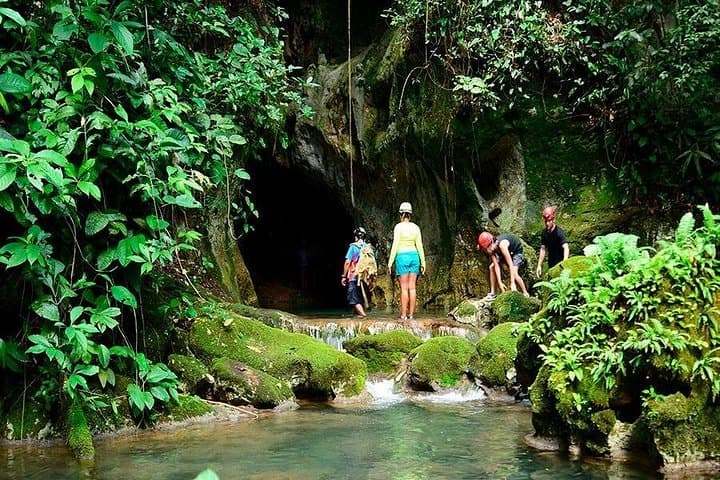
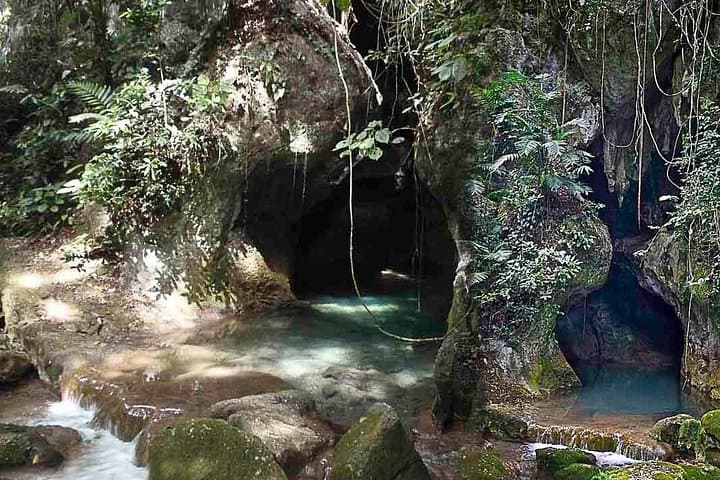
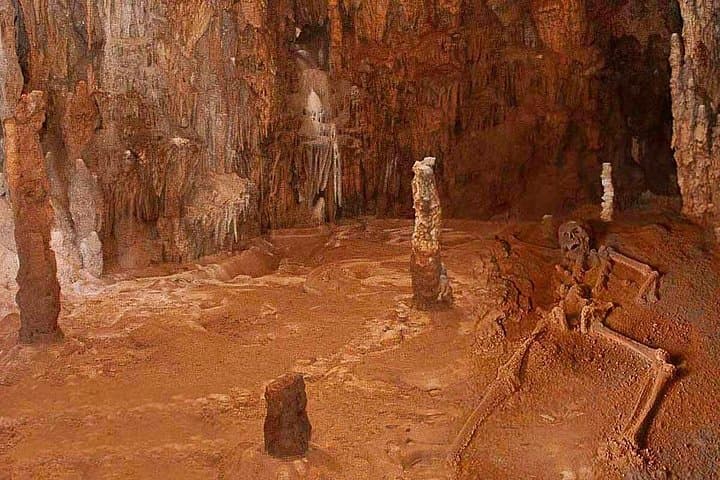
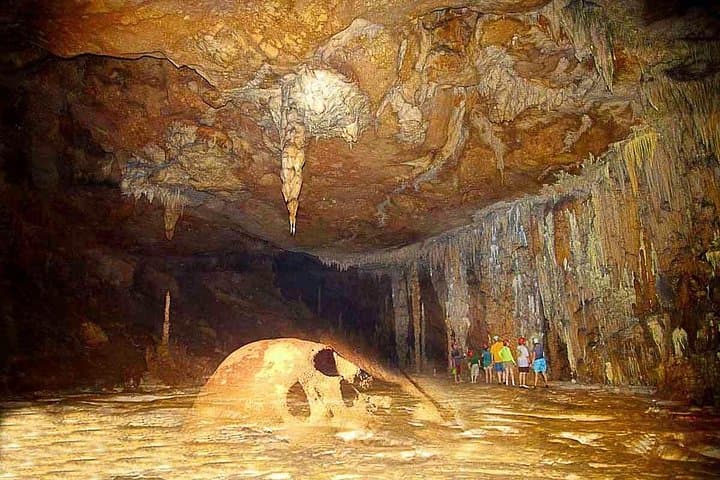
You step off the trail where the jungle hush is interrupted by a river that dares you across its shoulders. Guides fit helmets and headlamps with brisk efficiency; the air smells of wet limestone and loam. A thirty-minute walk through forest gives way to a narrow hourglass entrance, and then the cave takes over — a dark corridor where ankle-deep streams and waist-high pools negotiate every foot of progress. The light from your lamp reveals calcified curtains, shattered pottery, and, farther in, the crystallized outline of what local guides simply call the Crystal Maiden.
You step off the trail where the jungle hush is interrupted by a river that dares you across its shoulders. Guides fit helmets and headlamps with brisk efficiency; the air smells of wet limestone and loam. A thirty-minute walk through forest gives way to a narrow hourglass entrance, and then the cave takes over — a dark corridor where ankle-deep streams and waist-high pools negotiate every foot of progress. The light from your lamp reveals calcified curtains, shattered pottery, and, farther in, the crystallized outline of what local guides simply call the Crystal Maiden.
Actun Tunichil Muknal — the Cave of the Stone Sepulcher — sits in Belize’s Cayo region and carries a layered history. The Maya used these caverns for centuries as portals to the underworld, performing bloodletting and ceremonial offerings from roughly 1–1000 AD. Geologically, the cave is a working limestone system: rainwater has dissolved passages and left cavernous rooms studded with stalactites and flowstone. The slow chemistry of drip and mineral has also preserved the human remnants left on the cave floor, creating one of the most visceral archaeological sites in Central America.
The culture attached to ATM is intimate and solemn. Guides trained in both local lore and site preservation insist on reverent pacing — no flash photography near skeletal remains, no touching of formations that took millennia to build. This is not a spelunking thrill ride so much as an encounter with an archaeological site that still feels alive: pottery shards, tools, and bones fuse with the rock in dim light, demanding quiet attention.
Practically, the trip is a mixture of hiking, wading, and short swims. Expect three river crossings and variable depth up to waist level; slick limestone and tight squeezes mean good balance and steady shoes matter. Your group moves deliberately: headlamps slice through the dark, and guides call out handholds and low ceilings. The total outing from Hopkins includes transport, lunch, water, entrance fees, and a trained guide — but you’ll want to bring a dry bag for phones and spare clothes.
Timing matters. During the rainy season some crossings deepen and tours can be rescheduled; in the dry season the cave is easier to navigate but the river voice is lower, exposing more of the fragile floor. Respect for the site is nonnegotiable: this is both a sacred space and a fragile archaeological record. Leave no trace, follow your guide, and the cave rewards patience with close-up views of formations and a rare, almost surgical glimpse into Maya ritual life beneath the jungle.