THE ADVENTURE COLLECTIVE® · Independent discovery and booking for outdoor travel

Descend into the ATM Cave near San Ignacio for a guided exploration of Maya sacrificial chambers, calcified remains, and mineral-carved caverns. This full-day tour blends jungle trekking, short swims, and low-light cave passages with an archaeological narrative that demands respect and steady footing.
Descend into the ATM Cave near San Ignacio for a guided exploration of Maya sacrificial chambers, calcified remains, and mineral-carved caverns. This full-day tour blends jungle trekking, short swims, and low-light cave passages with an archaeological narrative that demands respect and steady footing.
You step off the van onto a damp trail before sunrise and the jungle offers itself up in low, green breaths — leaves drip, insects tune, and a river ahead dares you to keep going. By the time the group reaches the limestone sink that is Actun Tunichil Muknal (ATM), the entrance sits like a dark mouth in the forest floor, and the guide’s headlamp becomes the only thread through the cave’s stitched blackness.
Verified experiences and guided adventures in the surrounding area.
Operated by Cayo Inland Expeditions · San Ignacio Town, Cayo District
You step off the van onto a damp trail before sunrise and the jungle offers itself up in low, green breaths — leaves drip, insects tune, and a river ahead dares you to keep going. By the time the group reaches the limestone sink that is Actun Tunichil Muknal (ATM), the entrance sits like a dark mouth in the forest floor, and the guide’s headlamp becomes the only thread through the cave’s stitched blackness.
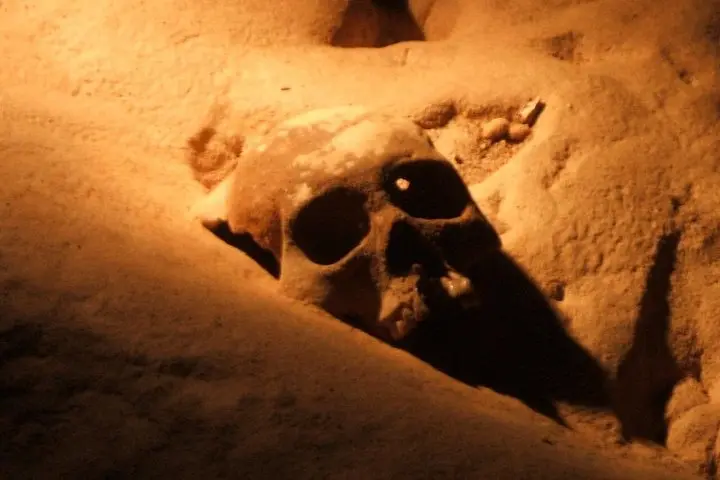
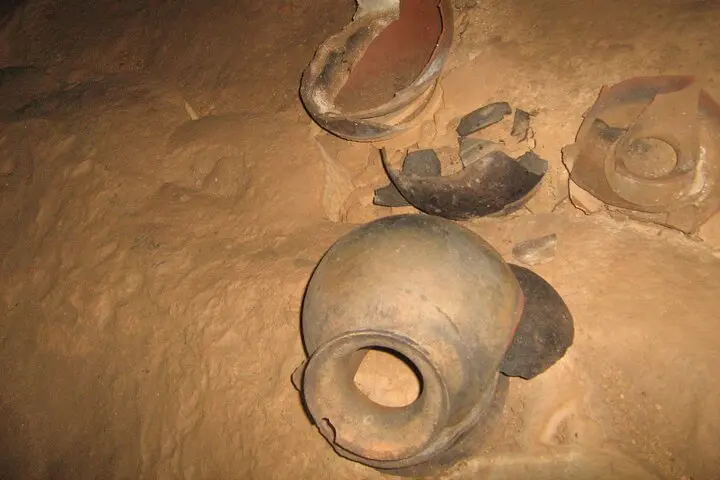
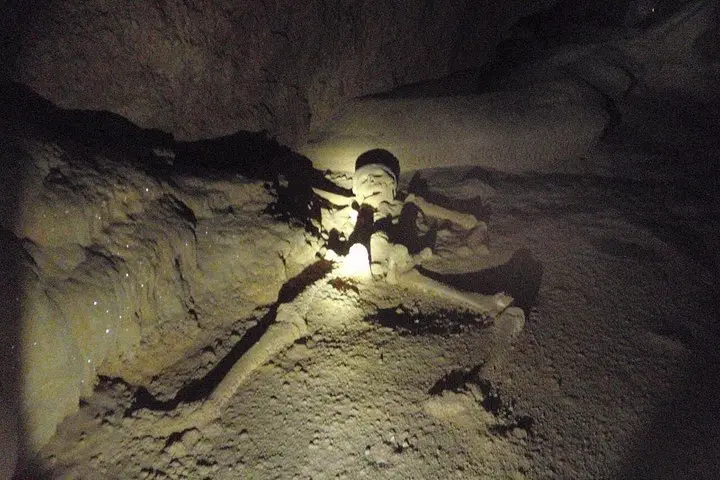
ATM is not a casual spelunking stop; it’s an archaeological site where the ancient Maya performed rituals and made offerings over centuries. The cave’s chambers preserve calcified human remains, pottery, and altars in mineralized silence. Geologically, the cave is a karst formation — water hollowed the limestone over millennia, leaving passageways draped in stalactites and stalagmites. The main plaza, reached after swims and low crawls through chambers, opens onto artifacts that appear stubbornly still: pottery clustered like frozen breath, and skeletal figures nicknamed for the way mineral deposits have clothed them in stone.
Culturally, visiting ATM carries weight. The site sits within Tapir Mountain Nature Reserve and local guides interpret the space not as entertainment but as a sacred archive. Respectful behavior is enforced: no touching, no flash photography, and precise routing to limit impact. Nearby, Teakettle Village and San Ignacio offer a softer counterpoint — markets, Maya ruins like Cahal Pech, and riverside cafés to pull the grit out from your socks and your stories.
Practically, expect a 7-hour outing that begins with a 30–60 minute drive from San Ignacio and a thirty-minute jungle approach with stream crossings. Inside the cave you’ll swim short stretches, wade, and move through low, uneven rock. The tour requires a moderate level of fitness and comfort in tight, wet spaces. Guides supply towels and will coordinate changing rooms; they also lead with headlamps, so personal lights are optional but useful for preparation. Cameras, phones, and recording devices are prohibited to protect the artifacts and the sanctity of the site.
Timing matters: early morning departures beat heat and crowds, and the route can be slippery after rain. Wear closed-toe shoes with good traction and bring a dry set of clothes for the ride back. Hydrate before you arrive — the jungle clamps humidity around you — and let your guide know about any back, heart, or pregnancy concerns; the company’s rules exclude travelers with certain medical conditions.
By midday you’ll emerge into light that feels loud after the cave’s hush; the ride back is part decompression, part storytelling, as limestone and jungle release you back into the ordinary world. This is a trip that asks for care: it returns rare, human-made objects to a context and asks the visitor simply to witness.
No — cameras, phones, and recording devices are not allowed inside to protect artifacts and honor the site's cultural sensitivity.
Moderately demanding: expect a 30-minute jungle hike, several short swims, and low, uneven cave passages; a moderate fitness level is required.
Yes, but children must meet height and fitness requirements; infants may need to sit on laps and the guide company requires a minimum group size.
Closed-toe shoes with traction, socks, and quick-dry clothing; bring a change of clothes for the return trip.
No — the tour is not recommended for people with spinal, heart, or pregnancy-related conditions due to swims and confined passages.
Tours operate subject to weather; heavy rain can increase water levels and the operator may reschedule or offer alternatives if conditions are unsafe.
Cayo Inland Expeditions operates guided outdoor trips and adventures with an emphasis on safety, stewardship, and memorable experiences.
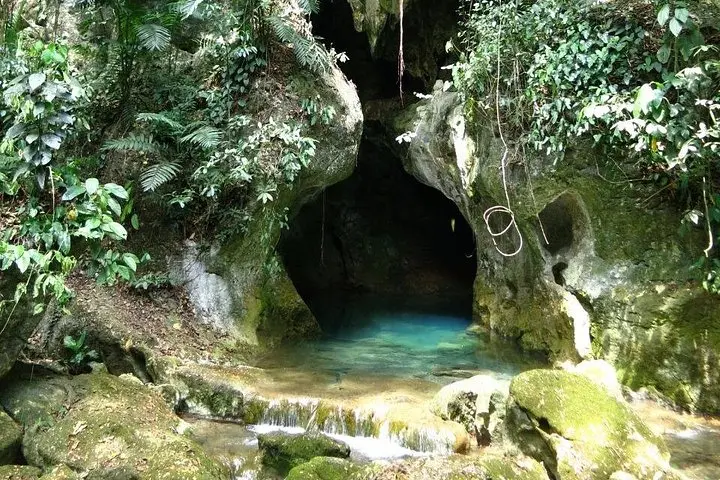
You step off the van onto a damp trail before sunrise and the jungle offers itself up in low, green breaths — leaves drip, insects tune, and a river ahead dares you to keep going. By the time the group reaches the limestone sink that is Actun Tunichil Muknal (ATM), the entrance sits like a dark mouth in the forest floor, and the guide’s headlamp becomes the only thread through the cave’s stitched blackness.
You step off the van onto a damp trail before sunrise and the jungle offers itself up in low, green breaths — leaves drip, insects tune, and a river ahead dares you to keep going. By the time the group reaches the limestone sink that is Actun Tunichil Muknal (ATM), the entrance sits like a dark mouth in the forest floor, and the guide’s headlamp becomes the only thread through the cave’s stitched blackness.
ATM is not a casual spelunking stop; it’s an archaeological site where the ancient Maya performed rituals and made offerings over centuries. The cave’s chambers preserve calcified human remains, pottery, and altars in mineralized silence. Geologically, the cave is a karst formation — water hollowed the limestone over millennia, leaving passageways draped in stalactites and stalagmites. The main plaza, reached after swims and low crawls through chambers, opens onto artifacts that appear stubbornly still: pottery clustered like frozen breath, and skeletal figures nicknamed for the way mineral deposits have clothed them in stone.
Culturally, visiting ATM carries weight. The site sits within Tapir Mountain Nature Reserve and local guides interpret the space not as entertainment but as a sacred archive. Respectful behavior is enforced: no touching, no flash photography, and precise routing to limit impact. Nearby, Teakettle Village and San Ignacio offer a softer counterpoint — markets, Maya ruins like Cahal Pech, and riverside cafés to pull the grit out from your socks and your stories.
Practically, expect a 7-hour outing that begins with a 30–60 minute drive from San Ignacio and a thirty-minute jungle approach with stream crossings. Inside the cave you’ll swim short stretches, wade, and move through low, uneven rock. The tour requires a moderate level of fitness and comfort in tight, wet spaces. Guides supply towels and will coordinate changing rooms; they also lead with headlamps, so personal lights are optional but useful for preparation. Cameras, phones, and recording devices are prohibited to protect the artifacts and the sanctity of the site.
Timing matters: early morning departures beat heat and crowds, and the route can be slippery after rain. Wear closed-toe shoes with good traction and bring a dry set of clothes for the ride back. Hydrate before you arrive — the jungle clamps humidity around you — and let your guide know about any back, heart, or pregnancy concerns; the company’s rules exclude travelers with certain medical conditions.
By midday you’ll emerge into light that feels loud after the cave’s hush; the ride back is part decompression, part storytelling, as limestone and jungle release you back into the ordinary world. This is a trip that asks for care: it returns rare, human-made objects to a context and asks the visitor simply to witness.