THE ADVENTURE COLLECTIVE® · Independent discovery and booking for outdoor travel

Two days in Addis Ababa combine iconic museums, the vibrancy of Merkato, and a scenic excursion to Debre Libanos. Expect city walking, highland drives, cultural sites, and short nature walks with panoramic views.
Two days in Addis Ababa combine iconic museums, the vibrancy of Merkato, and a scenic excursion to Debre Libanos. Expect city walking, highland drives, cultural sites, and short nature walks with panoramic views.
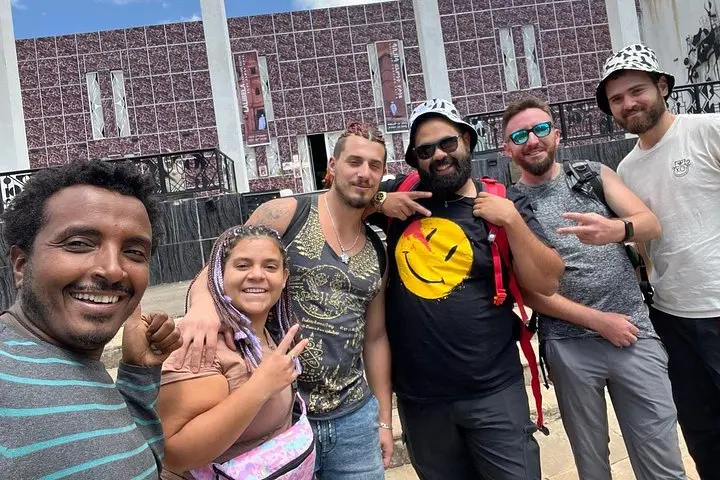
You step out into a highland city where the air is cool and the streets move with purpose—Addis Ababa unfolds in layers: broad boulevards, busy markets, and low-slung churches topped with tin roofs. Day one centers on the National Museum, where "Lucy" draws a steady stream of visitors, then drifts through Holy Trinity Cathedral’s stained glass before the sensory surge of Merkato, Africa’s sprawling open-air market.
Verified experiences and guided adventures in the surrounding area.
Operated by Login Ethiopia Tours · Addis Ababa, Addis Ababa
You step out into a highland city where the air is cool and the streets move with purpose—Addis Ababa unfolds in layers: broad boulevards, busy markets, and low-slung churches topped with tin roofs. Day one centers on the National Museum, where "Lucy" draws a steady stream of visitors, then drifts through Holy Trinity Cathedral’s stained glass before the sensory surge of Merkato, Africa’s sprawling open-air market.
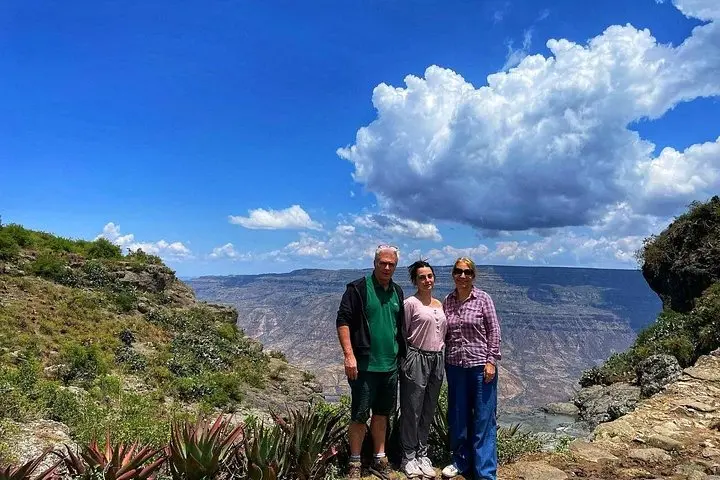
The second day pushes beyond the city limits into the northern highlands. The drive to Debre Libanos takes roughly 2–3 hours each way; roads climb into scrubby hills that open to steep, dramatic drops at the Blue Nile Gorge. Debre Libanos Monastery occupies a long-standing role in Ethiopian Orthodoxy and offers compact chapels, a small museum, and panoramic overlooks. Short nature walks here cover uneven, rocky paths and occasional loose scree; groups of Gelada or Gelada-like baboons (often called geladas) frequent nearby ridges and terraces.
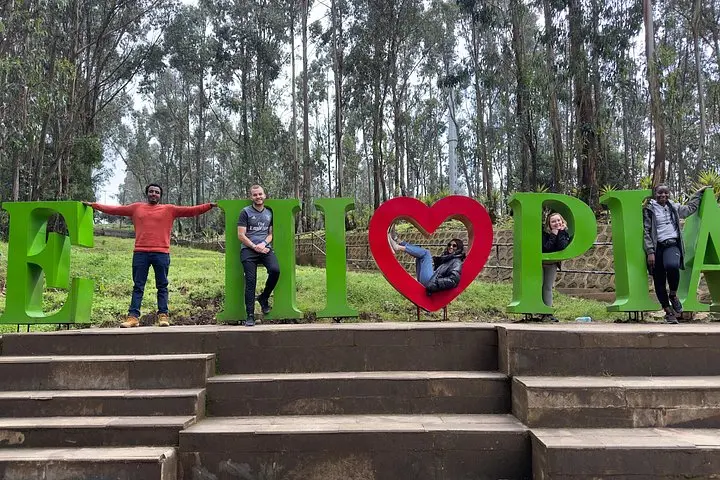
History and culture thread every stop—from imperial tombs on Entoto to centuries of monastic tradition at Debre Libanos—while geology frames the experience: highland volcanic soils, escarpments and river-carved gorges create abrupt vistas over the plateau.
Practical guidance: altitude matters—Addis sits over 2,300 meters—so move slowly, hydrate, and plan morning museum visits before markets grow crowded. Bring modest clothing for religious sites, sturdy shoes for uneven trails, and small bills for bargaining in Merkato. Private transport and a local guide make logistics straightforward on this compact, two-day introduction to Ethiopia’s capital and highland heritage.
Expect approximately 2–3 hours each way depending on traffic and road conditions; the route climbs into highland terrain with scenic viewpoints.
Yes—this private tour can be paced to suit families and older guests, but note the altitude and some uneven walking at religious sites and viewpoints.
This itinerary notes admission included for the Debre Libanos museum; confirm National Museum entry and any private guide fees with the tour operator before booking.
Local restaurants can usually accommodate common dietary needs; inform the operator ahead of time so they can arrange suitable traditional meals.
Login Ethiopia Tours operates guided outdoor trips and adventures with an emphasis on safety, stewardship, and memorable experiences.

You step out into a highland city where the air is cool and the streets move with purpose—Addis Ababa unfolds in layers: broad boulevards, busy markets, and low-slung churches topped with tin roofs. Day one centers on the National Museum, where "Lucy" draws a steady stream of visitors, then drifts through Holy Trinity Cathedral’s stained glass before the sensory surge of Merkato, Africa’s sprawling open-air market.
You step out into a highland city where the air is cool and the streets move with purpose—Addis Ababa unfolds in layers: broad boulevards, busy markets, and low-slung churches topped with tin roofs. Day one centers on the National Museum, where "Lucy" draws a steady stream of visitors, then drifts through Holy Trinity Cathedral’s stained glass before the sensory surge of Merkato, Africa’s sprawling open-air market.
The second day pushes beyond the city limits into the northern highlands. The drive to Debre Libanos takes roughly 2–3 hours each way; roads climb into scrubby hills that open to steep, dramatic drops at the Blue Nile Gorge. Debre Libanos Monastery occupies a long-standing role in Ethiopian Orthodoxy and offers compact chapels, a small museum, and panoramic overlooks. Short nature walks here cover uneven, rocky paths and occasional loose scree; groups of Gelada or Gelada-like baboons (often called geladas) frequent nearby ridges and terraces.
History and culture thread every stop—from imperial tombs on Entoto to centuries of monastic tradition at Debre Libanos—while geology frames the experience: highland volcanic soils, escarpments and river-carved gorges create abrupt vistas over the plateau.
Practical guidance: altitude matters—Addis sits over 2,300 meters—so move slowly, hydrate, and plan morning museum visits before markets grow crowded. Bring modest clothing for religious sites, sturdy shoes for uneven trails, and small bills for bargaining in Merkato. Private transport and a local guide make logistics straightforward on this compact, two-day introduction to Ethiopia’s capital and highland heritage.