THE ADVENTURE COLLECTIVE® · Independent discovery and booking for outdoor travel

A focused two-day itinerary that pairs Addis Ababa’s top museums and markets with a day trip to Debre Libanos monastery and the Jemma Gorge. Expect close encounters with gelada baboons, steep river gorges, and meaningful cultural sites.
A focused two-day itinerary that pairs Addis Ababa’s top museums and markets with a day trip to Debre Libanos monastery and the Jemma Gorge. Expect close encounters with gelada baboons, steep river gorges, and meaningful cultural sites.
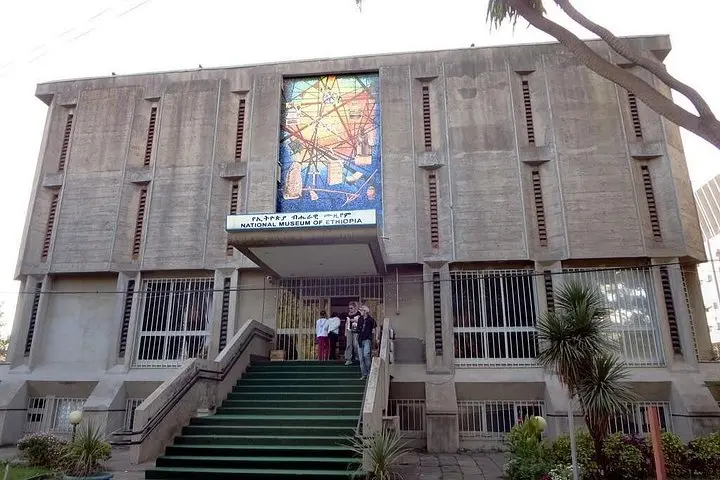
You step out of the city’s highland bustle onto a road that climbs toward eucalyptus-shadowed ridgelines; Addis Ababa falls away beneath a patchwork of corrugated roofs and tree-lined avenues as the driver points north toward Debre Libanos. On day one the route threads civic history — from the hushed galleries of the National Museum to the lived-in vibrancy of Merkato — giving a clear-eyed view of Ethiopia’s capital before the countryside takes over.
Verified experiences and guided adventures in the surrounding area.
Operated by Addis Ethiopia Tours · Addis Ababa, Addis Ababa
You step out of the city’s highland bustle onto a road that climbs toward eucalyptus-shadowed ridgelines; Addis Ababa falls away beneath a patchwork of corrugated roofs and tree-lined avenues as the driver points north toward Debre Libanos. On day one the route threads civic history — from the hushed galleries of the National Museum to the lived-in vibrancy of Merkato — giving a clear-eyed view of Ethiopia’s capital before the countryside takes over.
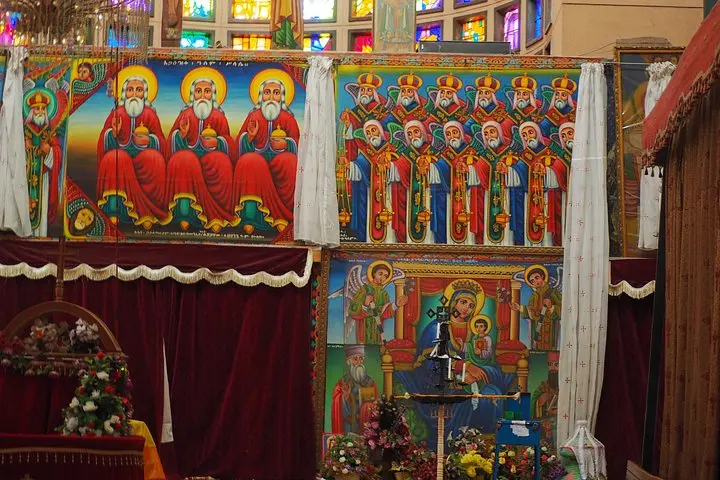
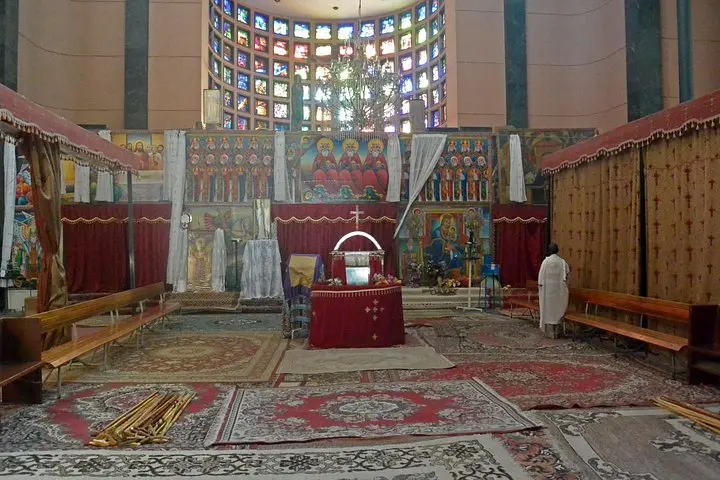
Debre Libanos, founded by Saint Teklehaimanot in the 13th century, sits above a gorge carved by the Jemma River. The monastery’s stonework and nearby cave hold stories of devotion and conflict, while the Portuguese-style bridge and plunging cascades reveal the region’s volcanic and riverine geology: basalt terraces cut by swift tributaries that dare you to look over the rail. Cultural rhythms are visible everywhere — Orthodox liturgy, local markets, and coffeehouse rituals that shape daily life.
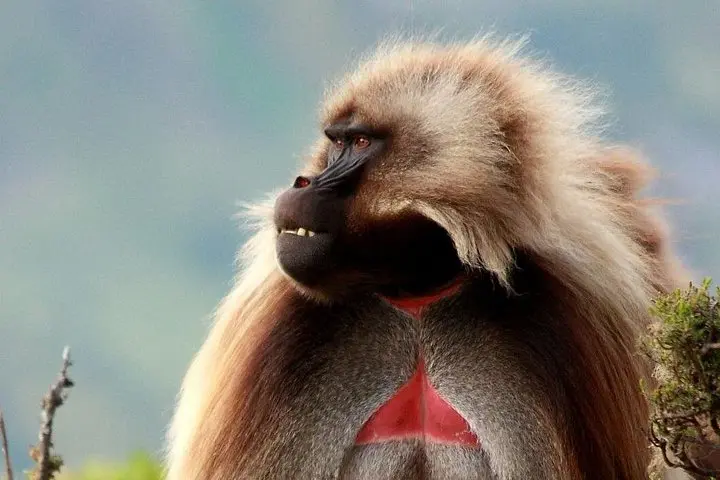
Wildlife is a highlight: gelada populations graze on cliff ledges and vultures wheel overhead, proof of the area’s ecological niches. Practicalities matter: expect long drives (≈110 km from Addis, about two hours each way), unpaved viewpoints, and short walks of a few hundred meters at altitude. Bring layers for cool mornings on Entoto, sun protection for exposed viewpoints, and a small daypack for water and camera.
Plan for early pickups to avoid afternoon traffic, confirm entrance-fee coverage before arrival, and respect monastery etiquette — modest dress and quiet in worship spaces preserve both culture and access.
Yes — hotel pickup in Addis Ababa is included; indicate your pickup point when booking.
Most entrance fees are included, but Entoto Park entrance is typically excluded — verify with the operator before departure.
Yes — the itinerary is rated physically easy and suitable for children, though some sites require quiet behavior and supervision.
Geladas are most active in the cooler mornings and late afternoons; drier months (October–February) offer clearer views.
Addis Ethiopia Tours operates guided outdoor trips and adventures with an emphasis on safety, stewardship, and memorable experiences.
You step out of the city’s highland bustle onto a road that climbs toward eucalyptus-shadowed ridgelines; Addis Ababa falls away beneath a patchwork of corrugated roofs and tree-lined avenues as the driver points north toward Debre Libanos. On day one the route threads civic history — from the hushed galleries of the National Museum to the lived-in vibrancy of Merkato — giving a clear-eyed view of Ethiopia’s capital before the countryside takes over.
You step out of the city’s highland bustle onto a road that climbs toward eucalyptus-shadowed ridgelines; Addis Ababa falls away beneath a patchwork of corrugated roofs and tree-lined avenues as the driver points north toward Debre Libanos. On day one the route threads civic history — from the hushed galleries of the National Museum to the lived-in vibrancy of Merkato — giving a clear-eyed view of Ethiopia’s capital before the countryside takes over.
Debre Libanos, founded by Saint Teklehaimanot in the 13th century, sits above a gorge carved by the Jemma River. The monastery’s stonework and nearby cave hold stories of devotion and conflict, while the Portuguese-style bridge and plunging cascades reveal the region’s volcanic and riverine geology: basalt terraces cut by swift tributaries that dare you to look over the rail. Cultural rhythms are visible everywhere — Orthodox liturgy, local markets, and coffeehouse rituals that shape daily life.
Wildlife is a highlight: gelada populations graze on cliff ledges and vultures wheel overhead, proof of the area’s ecological niches. Practicalities matter: expect long drives (≈110 km from Addis, about two hours each way), unpaved viewpoints, and short walks of a few hundred meters at altitude. Bring layers for cool mornings on Entoto, sun protection for exposed viewpoints, and a small daypack for water and camera.
Plan for early pickups to avoid afternoon traffic, confirm entrance-fee coverage before arrival, and respect monastery etiquette — modest dress and quiet in worship spaces preserve both culture and access.