THE ADVENTURE COLLECTIVE® · Independent discovery and booking for outdoor travel

Explore Addis Ababa in a day: St. George Cathedral’s solemn stones, the frenetic corridors of Merkato, the National Museum’s ancient finds, and a slow, aromatic coffee ceremony. This tour packs culture, history, and city life into a practical seven-hour route.
Explore Addis Ababa in a day: St. George Cathedral’s solemn stones, the frenetic corridors of Merkato, the National Museum’s ancient finds, and a slow, aromatic coffee ceremony. This tour packs culture, history, and city life into a practical seven-hour route.
Arrive in Addis Ababa and the city greets you with a pulse: honking taxis, eucalyptus-scented air, and church bells that mark a rhythm older than the skyline.
Verified experiences and guided adventures in the surrounding area.
Operated by Sphere Tours · Addis Ababa, Addis Ababa
Arrive in Addis Ababa and the city greets you with a pulse: honking taxis, eucalyptus-scented air, and church bells that mark a rhythm older than the skyline.
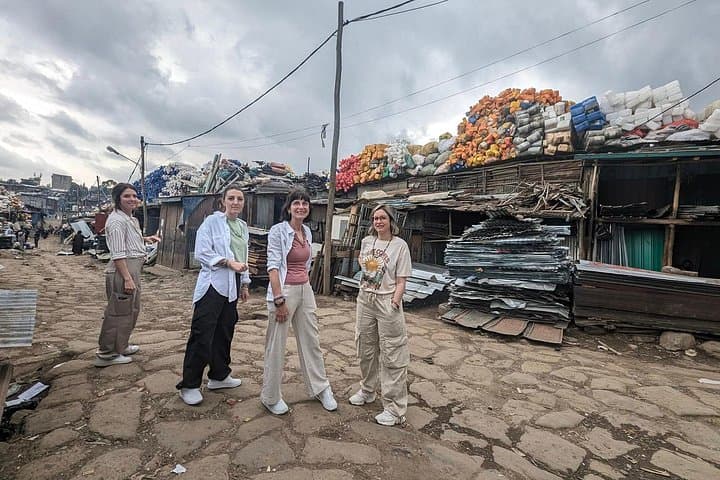
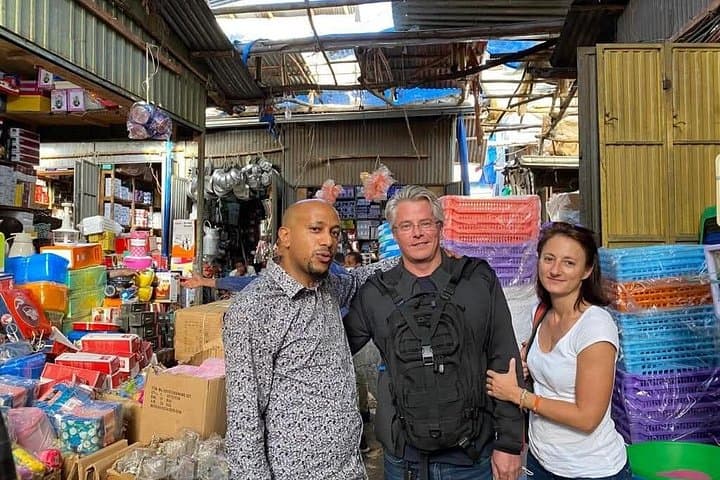
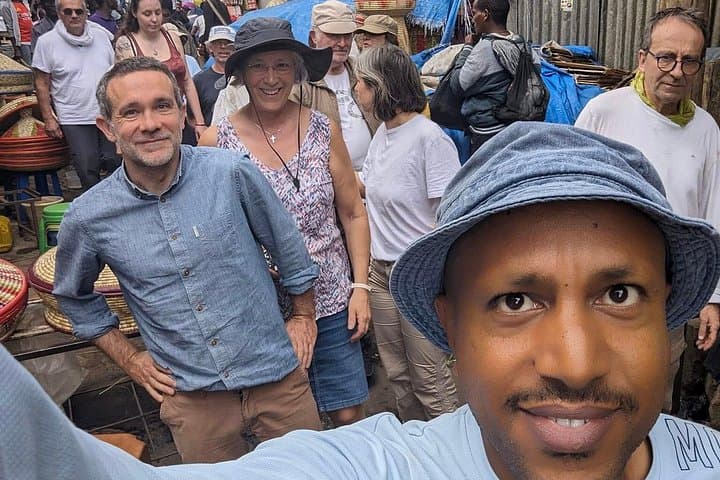
Start at St. George Cathedral — its angular stone and frescoed interior feel like a pause in time — then move through the hum of Merkato, where traders call out over baskets of spices, textiles, and coffee beans. The day folds into the National Museum, where "Lucy" and other artifacts trace human history across millennia. Finish with a coffee ceremony that slows time again: beans crackle, smoke curls, and the ritual invites conversation.
Addis sits on the Ethiopian Plateau at ~2,300–2,400 m elevation, shaped by highland volcanics and deep rift escarpments. Its modern avenues sit atop layers of imperial, religious, and commercial history — from Menelik II’s late-19th-century urban plans to the market networks that still drive daily life.
Expect walking on paved streets with intermittent cobblestones, short uphill sections, and crowded market alleys. Guides bridge language and cultural context; many speak multiple European languages and English. Practical notes: the city’s altitude can make morning exertion feel heavier, so pace yourself and hydrate. Morning light is best for photography and cooler temperatures; rainy season (June–September) brings heavy showers that can slow markets.
This is a cultural, not wilderness, adventure: bring comfortable walking shoes, layered clothing for altitude and afternoon warmth, a lightweight rain jacket in season, and small local currency for market purchases. The tour is wheelchair-accessible in parts, uses an air-conditioned vehicle between stops, and typically runs about seven hours — a concentrated day of history, commerce, and an essential Ethiopian ritual.
Yes; the typical city tour includes admission to the National Museum as part of the itinerary.
Lunch is usually not included; the tour provides bottled water and coffee but plan to budget for a meal at a local restaurant or market eatery.
Many parts of the tour and the transport vehicle are wheelchair-accessible, though some market areas have uneven surfaces; notify at booking for full accommodations.
Guides commonly speak English and several European languages; specific language availability can be requested when booking.
Sphere Tours operates guided outdoor trips and adventures with an emphasis on safety, stewardship, and memorable experiences.

Arrive in Addis Ababa and the city greets you with a pulse: honking taxis, eucalyptus-scented air, and church bells that mark a rhythm older than the skyline.
Arrive in Addis Ababa and the city greets you with a pulse: honking taxis, eucalyptus-scented air, and church bells that mark a rhythm older than the skyline.
Start at St. George Cathedral — its angular stone and frescoed interior feel like a pause in time — then move through the hum of Merkato, where traders call out over baskets of spices, textiles, and coffee beans. The day folds into the National Museum, where "Lucy" and other artifacts trace human history across millennia. Finish with a coffee ceremony that slows time again: beans crackle, smoke curls, and the ritual invites conversation.
Addis sits on the Ethiopian Plateau at ~2,300–2,400 m elevation, shaped by highland volcanics and deep rift escarpments. Its modern avenues sit atop layers of imperial, religious, and commercial history — from Menelik II’s late-19th-century urban plans to the market networks that still drive daily life.
Expect walking on paved streets with intermittent cobblestones, short uphill sections, and crowded market alleys. Guides bridge language and cultural context; many speak multiple European languages and English. Practical notes: the city’s altitude can make morning exertion feel heavier, so pace yourself and hydrate. Morning light is best for photography and cooler temperatures; rainy season (June–September) brings heavy showers that can slow markets.
This is a cultural, not wilderness, adventure: bring comfortable walking shoes, layered clothing for altitude and afternoon warmth, a lightweight rain jacket in season, and small local currency for market purchases. The tour is wheelchair-accessible in parts, uses an air-conditioned vehicle between stops, and typically runs about seven hours — a concentrated day of history, commerce, and an essential Ethiopian ritual.