THE ADVENTURE COLLECTIVE® · Independent discovery and booking for outdoor travel

Travel from Addis Ababa to Debre Libanos and the Blue Nile gorge in a single day—visit a centuries-old monastery, cross a historic Portuguese-style bridge and scout cliffside viewpoints for endemic birds and sweeping river canyons. This practical guide tells you what to expect and how to prepare.
Travel from Addis Ababa to Debre Libanos and the Blue Nile gorge in a single day—visit a centuries-old monastery, cross a historic Portuguese-style bridge and scout cliffside viewpoints for endemic birds and sweeping river canyons. This practical guide tells you what to expect and how to prepare.
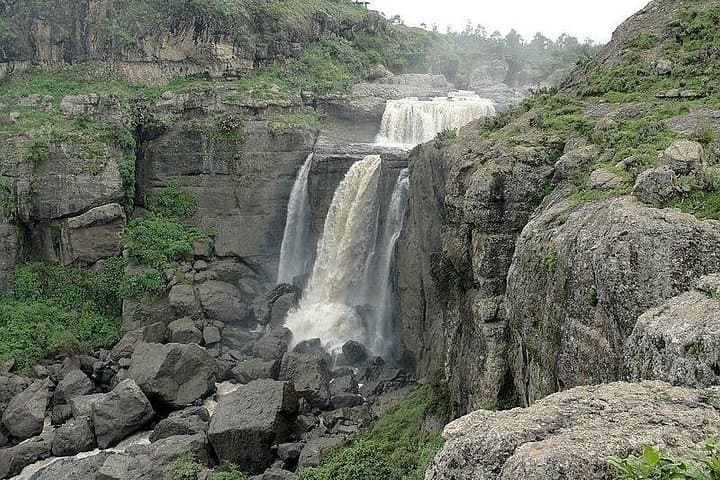
A cool wind threads the cliff rims as you step out of the minibus and the gorge answers with a distant, rolling thunder—water daring the stone to move. This one-day route runs northwest from Addis Ababa to Debre Libanos, where a 13th-century monastery perches between a sheer rift and cultivated terraces, and then follows the Jemma into the much larger Blue Nile (Abbay) gorge with viewpoints that make the river feel intentionally dramatic.
Verified experiences and guided adventures in the surrounding area.
Operated by Simien Image Ethiopian Tour and Travel Company · Debre Libanos, Oromia Region
A cool wind threads the cliff rims as you step out of the minibus and the gorge answers with a distant, rolling thunder—water daring the stone to move. This one-day route runs northwest from Addis Ababa to Debre Libanos, where a 13th-century monastery perches between a sheer rift and cultivated terraces, and then follows the Jemma into the much larger Blue Nile (Abbay) gorge with viewpoints that make the river feel intentionally dramatic.
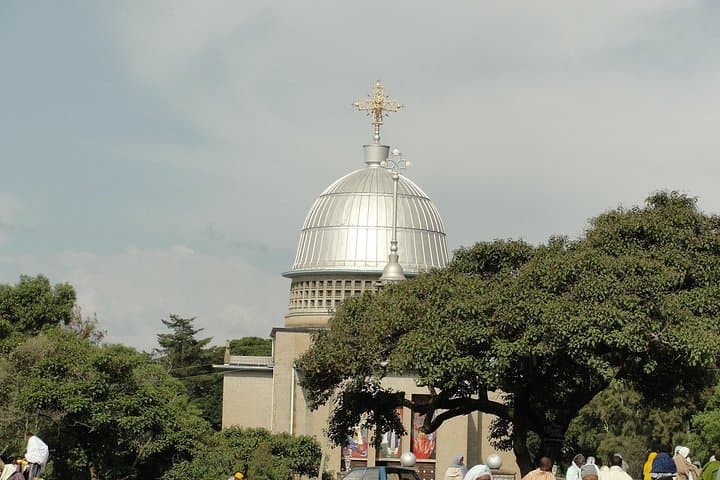
History here is tangible: the monastery founded by Saint Tekle Haymanot shaped church politics for centuries, and the Portuguese-style bridge—rebuilt in later centuries—recalls foreign engineering influences and local adaptations. Geology is immediate; volcanic plateau gives way to deep incision by the Jemma and Blue Nile, exposing layered basalt cliffs and narrow gullies that create microhabitats for endemic birds.
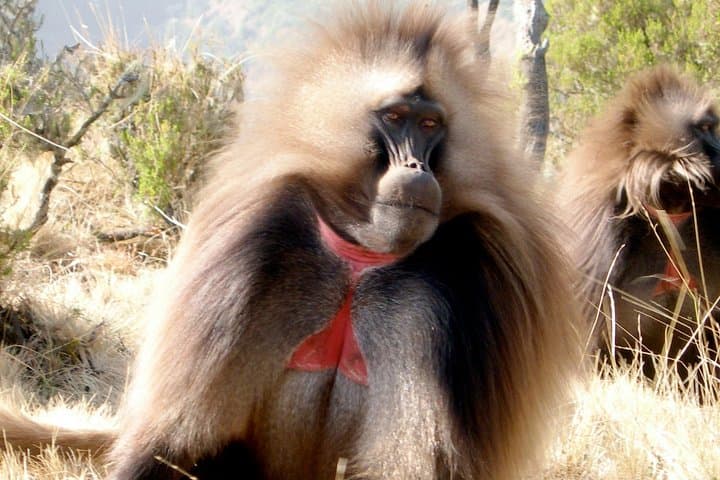
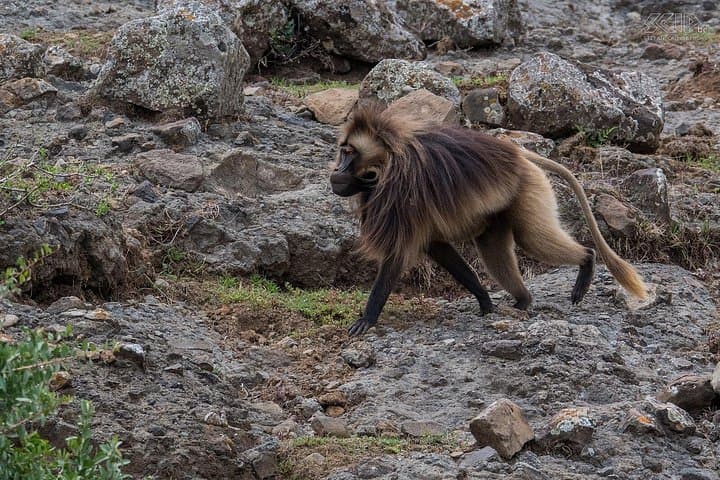
Culture and countryside arrive in hob-hut villages and the aroma of coffee and injera at lunch; shepherds and ritual pilgrims share the trails. Look for gelada groups on rocky benches and Harwood’s francolin and other range-restricted birds in the valley.
Practical guidance: plan a full 6–9 hour day, wear grippy hiking shoes for uneven cliff tracks, bring sun protection and layered clothing for cool breezes at elevation, and carry water—bottled water is usually provided. Expect moderate walking at viewpoints and an opportunity for short hikes near the monastery and Portuguese bridge. Respect chapel protocols (quiet, modest dress), guard cliff edges, and leave no trace—these landscapes are beautiful but fragile.
Expect a 6–9 hour round-trip including driving time and stops; specific durations vary with traffic and the tour itinerary.
Yes; visitors can see churches, the saint’s cave vicinity, and the monastery museum—modest dress and quiet behavior are expected.
Wildlife sightings are common—geladas and endemic birds are regularly seen—but sightings aren’t guaranteed and vary by season and time of day.
Most organized day trips include a local Ethiopian lunch (often with vegan options) and bottled water; confirm dietary needs when booking.
Simien Image Ethiopian Tour and Travel Company operates guided outdoor trips and adventures with an emphasis on safety, stewardship, and memorable experiences.
A cool wind threads the cliff rims as you step out of the minibus and the gorge answers with a distant, rolling thunder—water daring the stone to move. This one-day route runs northwest from Addis Ababa to Debre Libanos, where a 13th-century monastery perches between a sheer rift and cultivated terraces, and then follows the Jemma into the much larger Blue Nile (Abbay) gorge with viewpoints that make the river feel intentionally dramatic.
A cool wind threads the cliff rims as you step out of the minibus and the gorge answers with a distant, rolling thunder—water daring the stone to move. This one-day route runs northwest from Addis Ababa to Debre Libanos, where a 13th-century monastery perches between a sheer rift and cultivated terraces, and then follows the Jemma into the much larger Blue Nile (Abbay) gorge with viewpoints that make the river feel intentionally dramatic.
History here is tangible: the monastery founded by Saint Tekle Haymanot shaped church politics for centuries, and the Portuguese-style bridge—rebuilt in later centuries—recalls foreign engineering influences and local adaptations. Geology is immediate; volcanic plateau gives way to deep incision by the Jemma and Blue Nile, exposing layered basalt cliffs and narrow gullies that create microhabitats for endemic birds.
Culture and countryside arrive in hob-hut villages and the aroma of coffee and injera at lunch; shepherds and ritual pilgrims share the trails. Look for gelada groups on rocky benches and Harwood’s francolin and other range-restricted birds in the valley.
Practical guidance: plan a full 6–9 hour day, wear grippy hiking shoes for uneven cliff tracks, bring sun protection and layered clothing for cool breezes at elevation, and carry water—bottled water is usually provided. Expect moderate walking at viewpoints and an opportunity for short hikes near the monastery and Portuguese bridge. Respect chapel protocols (quiet, modest dress), guard cliff edges, and leave no trace—these landscapes are beautiful but fragile.