THE ADVENTURE COLLECTIVE® · Independent discovery and booking for outdoor travel

Explore Addis Ababa’s core in a focused half-day tour: trace human origins at the National Museum, visit Holy Trinity Cathedral, and sample Tomoca coffee. This 4–6 hour loop balances indoor cultural highlights with short city walks.
Explore Addis Ababa’s core in a focused half-day tour: trace human origins at the National Museum, visit Holy Trinity Cathedral, and sample Tomoca coffee. This 4–6 hour loop balances indoor cultural highlights with short city walks.
You step down from an air-conditioned van into a city of broad boulevards and sharp highland light. The hill to the north—Entoto—holds a cooler wind that cuts the heat; below, traffic hums and the scent of roasted beans pulls you toward a small Italian-style café where Tomoca has been firing coffee since the 1950s.
Verified experiences and guided adventures in the surrounding area.
Operated by Ethio Travel And Tours · Addis Ababa, Addis Ababa
You step down from an air-conditioned van into a city of broad boulevards and sharp highland light. The hill to the north—Entoto—holds a cooler wind that cuts the heat; below, traffic hums and the scent of roasted beans pulls you toward a small Italian-style café where Tomoca has been firing coffee since the 1950s.
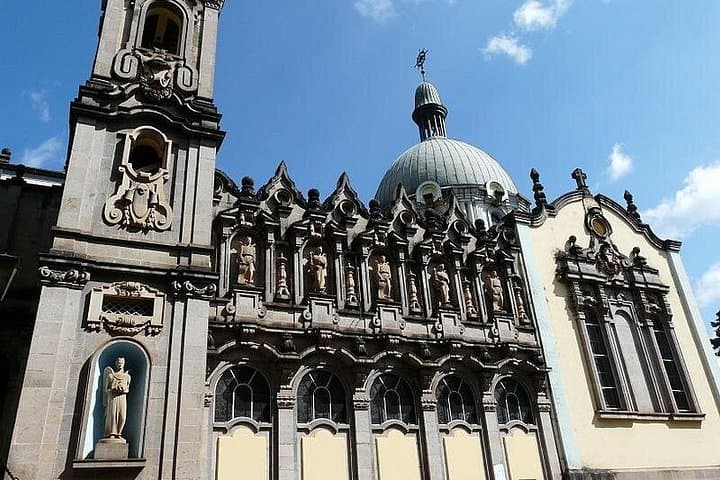
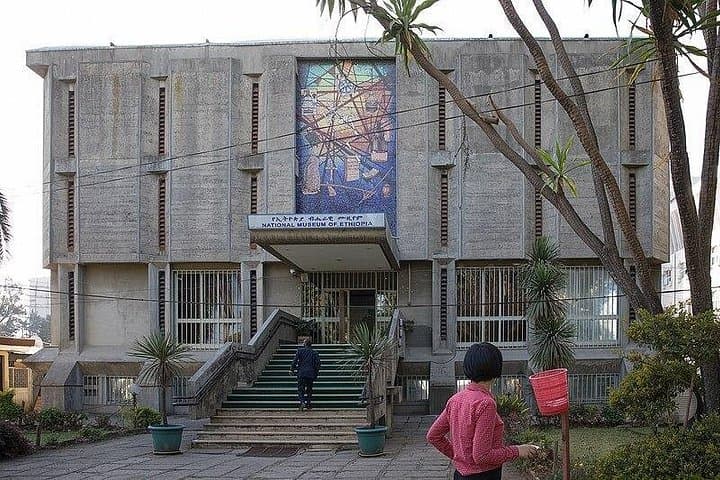
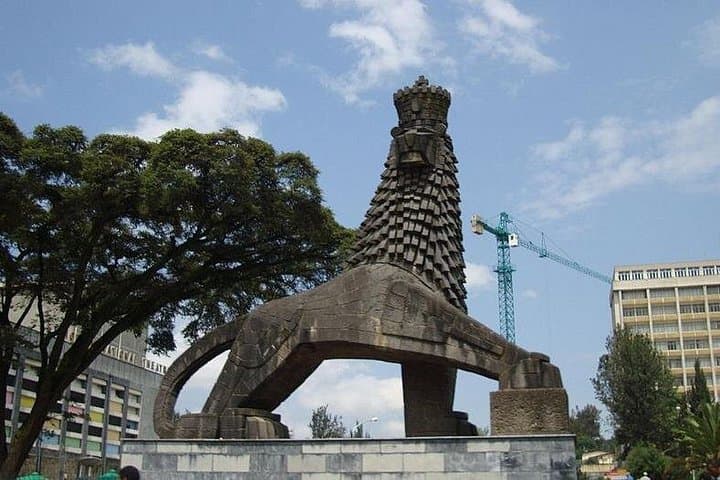
This half-day loop threads three of Addis Ababa’s essential stops: the National Museum (home of Lucy), the Holy Trinity Cathedral with the tombs of Emperor Haile Selassie and Empress Menen, and a short ritual pause over freshly roasted coffee. The city sits on the Ethiopian Plateau at roughly 2,355 m (7,726 ft), founded by Emperor Menelik II in the late 19th century, and its modern streets layer colonial-era architecture, Orthodox sites, and bustling markets.
Expect compact walks between attractions, straightforward pathways, and periods spent inside museums and churches where respectful behavior is required. Guides provide historical context—how the discovery of Lucy reshaped paleoanthropology and how the cathedral became a focal point for modern Ethiopian identity.
Practical guidance: allow 4–6 hours, wear comfortable walking shoes and a lightweight layer for the highland breeze. Carry water and a small amount of cash for souvenirs or extra coffee beans. Photography is common at the museum; inside religious sites, follow your guide’s direction and defer to worshippers. Midday traffic can add transfer time—scheduling earlier or later in the day eases congestion. The tour is low-impact physically but rich in culture: move deliberately, listen to the guide, and taste coffee slowly—Addis will reward the patient traveler.
The tour runs approximately 4–6 hours, depending on traffic and the pace of the group.
The itinerary indicates museum and cathedral admissions and a coffee stop are included; confirm specifics when booking.
Pickup options vary—provide your pickup point at booking and confirm whether the operator will collect from your hotel or a nearby meeting spot.
Yes; the tour is physically easy. Note that infants are required to sit on an adult’s lap and cultural sites may require quiet behavior.
Ethio Travel And Tours operates guided outdoor trips and adventures with an emphasis on safety, stewardship, and memorable experiences.

You step down from an air-conditioned van into a city of broad boulevards and sharp highland light. The hill to the north—Entoto—holds a cooler wind that cuts the heat; below, traffic hums and the scent of roasted beans pulls you toward a small Italian-style café where Tomoca has been firing coffee since the 1950s.
You step down from an air-conditioned van into a city of broad boulevards and sharp highland light. The hill to the north—Entoto—holds a cooler wind that cuts the heat; below, traffic hums and the scent of roasted beans pulls you toward a small Italian-style café where Tomoca has been firing coffee since the 1950s.
This half-day loop threads three of Addis Ababa’s essential stops: the National Museum (home of Lucy), the Holy Trinity Cathedral with the tombs of Emperor Haile Selassie and Empress Menen, and a short ritual pause over freshly roasted coffee. The city sits on the Ethiopian Plateau at roughly 2,355 m (7,726 ft), founded by Emperor Menelik II in the late 19th century, and its modern streets layer colonial-era architecture, Orthodox sites, and bustling markets.
Expect compact walks between attractions, straightforward pathways, and periods spent inside museums and churches where respectful behavior is required. Guides provide historical context—how the discovery of Lucy reshaped paleoanthropology and how the cathedral became a focal point for modern Ethiopian identity.
Practical guidance: allow 4–6 hours, wear comfortable walking shoes and a lightweight layer for the highland breeze. Carry water and a small amount of cash for souvenirs or extra coffee beans. Photography is common at the museum; inside religious sites, follow your guide’s direction and defer to worshippers. Midday traffic can add transfer time—scheduling earlier or later in the day eases congestion. The tour is low-impact physically but rich in culture: move deliberately, listen to the guide, and taste coffee slowly—Addis will reward the patient traveler.