THE ADVENTURE COLLECTIVE® · Independent discovery and booking for outdoor travel

Spend a day moving from the wind-pummeled Cape Recife coast to the wide, elephant-strewn plains of Addo. This full-day combo pairs a penguin rehabilitation visit and lighthouse stop with a guided, malaria-free game drive through South Africa’s third-largest national park.
Spend a day moving from the wind-pummeled Cape Recife coast to the wide, elephant-strewn plains of Addo. This full-day combo pairs a penguin rehabilitation visit and lighthouse stop with a guided, malaria-free game drive through South Africa’s third-largest national park.
A salt-spray morning on Marine Drive sets the tone: waves push against the rocks at Shark Rock Pier while Cape Recife’s lighthouse keeps a slow, unblinking watch over the shoreline. You’ll walk that shoreline in the company of wind and seabirds before the van turns inland, trading surf for a landscape where low ridges and karoo thickets give elephants room to move.
Verified experiences and guided adventures in the surrounding area.
Operated by Carlin's Tours · Gqeberha, Eastern Cape
A salt-spray morning on Marine Drive sets the tone: waves push against the rocks at Shark Rock Pier while Cape Recife’s lighthouse keeps a slow, unblinking watch over the shoreline. You’ll walk that shoreline in the company of wind and seabirds before the van turns inland, trading surf for a landscape where low ridges and karoo thickets give elephants room to move.
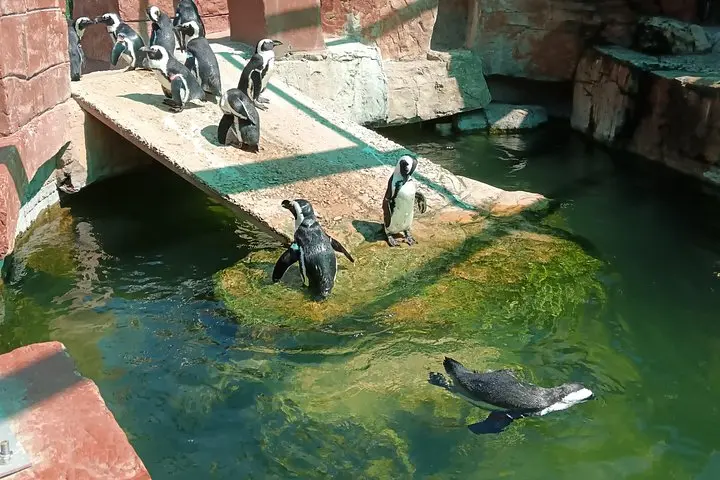
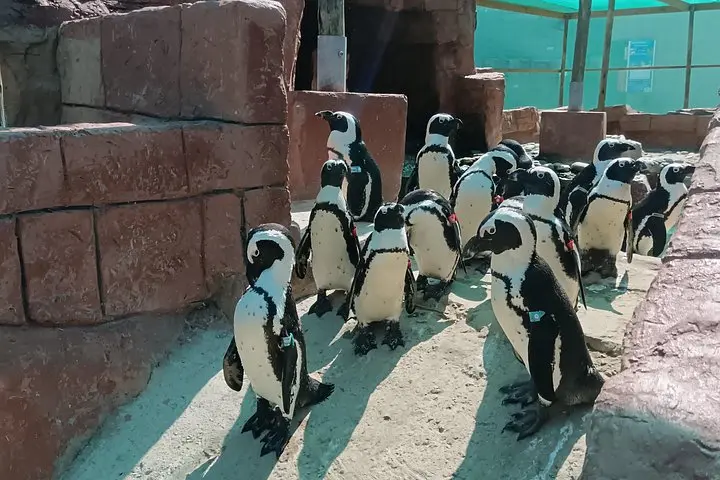
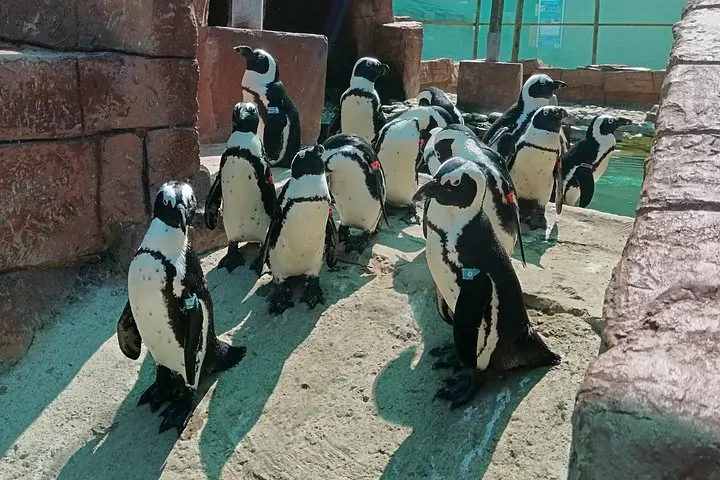
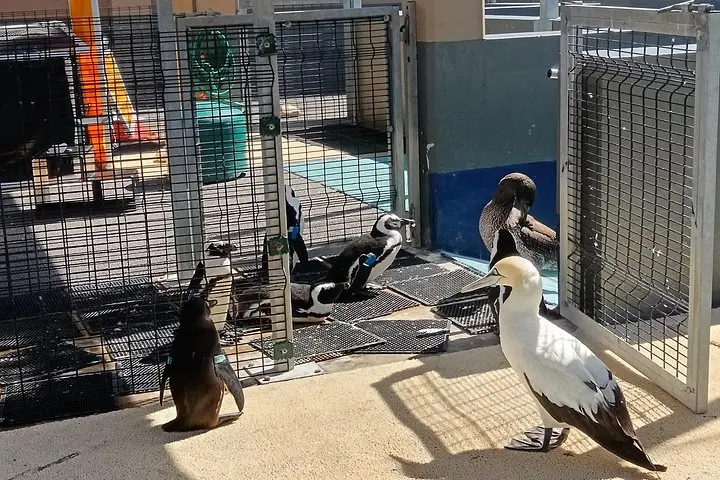
Addo Elephant National Park began as a small reserve in 1931 to protect the few remaining Cape elephants and has grown into a 176,000-hectare, malaria-free sanctuary that stitches coastal dunes, Albany thicket and semi-arid plains. Geology here is honest — sandy coastal spits meet hardened sedimentary outcrops as you move from lighthouse to bush. Culture threads through the route: café stops like Nanaga Farm Stall showcase Eastern Cape produce and SANCCOB’s penguin rehabilitation at Cape Recife highlights community-led conservation.
Practical guidance: this is a full-day outing (roughly 8–10 hours) with hotel or cruise-terminal pickup in Gqeberha. Expect guided game drives in an air-conditioned vehicle; binoculars are provided but bring your own for longer glassing. Wear sturdy walking shoes for short shoreline walks and layered clothing — mornings on the coast can be breezy, inland drives hot by midday. Carry sunscreen, a refillable water bottle, and a camera with a long lens if you have one. Keep respectful distance from wildlife and follow your guide’s instructions — elephants lead the day on their terms.
The combo delivers two ecosystems in one long day: the sea that dares you toward the rocks and the bush that slows you to an elephant’s pace.
Yes — Addo is considered malaria-free, which makes it easier for travellers coming from coastal Gqeberha.
Cruiseliner guests are welcome and the operator will wait for disembarking passengers when possible; confirm pickup timing when you book.
Yes — the tour is family-friendly and short shore walks are stroller-accessible, though game drives require sitting in the vehicle.
Addo is home to the Big Five, but sightings of predators or leopards are less guaranteed than elephants and antelope; guides maximize chances by choosing productive routes.
Carlin's Tours operates guided outdoor trips and adventures with an emphasis on safety, stewardship, and memorable experiences.
A salt-spray morning on Marine Drive sets the tone: waves push against the rocks at Shark Rock Pier while Cape Recife’s lighthouse keeps a slow, unblinking watch over the shoreline. You’ll walk that shoreline in the company of wind and seabirds before the van turns inland, trading surf for a landscape where low ridges and karoo thickets give elephants room to move.
A salt-spray morning on Marine Drive sets the tone: waves push against the rocks at Shark Rock Pier while Cape Recife’s lighthouse keeps a slow, unblinking watch over the shoreline. You’ll walk that shoreline in the company of wind and seabirds before the van turns inland, trading surf for a landscape where low ridges and karoo thickets give elephants room to move.
Addo Elephant National Park began as a small reserve in 1931 to protect the few remaining Cape elephants and has grown into a 176,000-hectare, malaria-free sanctuary that stitches coastal dunes, Albany thicket and semi-arid plains. Geology here is honest — sandy coastal spits meet hardened sedimentary outcrops as you move from lighthouse to bush. Culture threads through the route: café stops like Nanaga Farm Stall showcase Eastern Cape produce and SANCCOB’s penguin rehabilitation at Cape Recife highlights community-led conservation.
Practical guidance: this is a full-day outing (roughly 8–10 hours) with hotel or cruise-terminal pickup in Gqeberha. Expect guided game drives in an air-conditioned vehicle; binoculars are provided but bring your own for longer glassing. Wear sturdy walking shoes for short shoreline walks and layered clothing — mornings on the coast can be breezy, inland drives hot by midday. Carry sunscreen, a refillable water bottle, and a camera with a long lens if you have one. Keep respectful distance from wildlife and follow your guide’s instructions — elephants lead the day on their terms.
The combo delivers two ecosystems in one long day: the sea that dares you toward the rocks and the bush that slows you to an elephant’s pace.