THE ADVENTURE COLLECTIVE® · Independent discovery and booking for outdoor travel

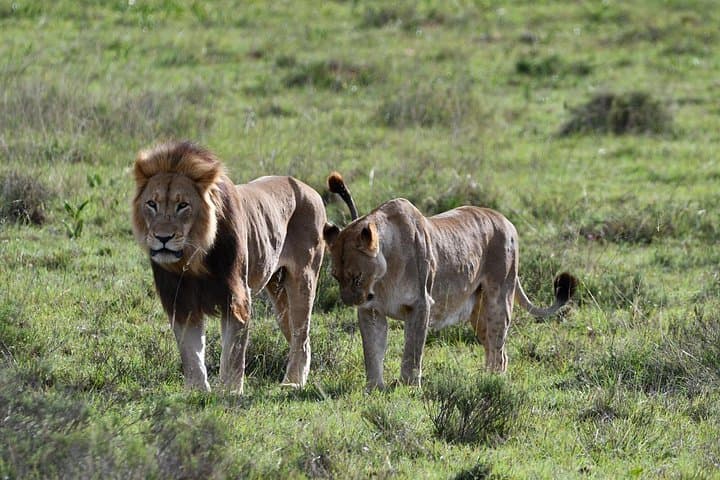
Spend a full day tracking elephants, lions and more across Addo Elephant National Park, capped with a traditional South African braai. This full-day game drive offers close wildlife viewing, local insights, and a relaxed field lunch in true safari style.
Spend a full day tracking elephants, lions and more across Addo Elephant National Park, capped with a traditional South African braai. This full-day game drive offers close wildlife viewing, local insights, and a relaxed field lunch in true safari style.
Dust lifts along the red clay as an open safari vehicle threads between camel-thorn and spekboom, the bush pressing close enough to hear birds shift in the canopy. Morning light picks out the curving hides of elephant herds, and guides scan the horizon with practiced patience; game drives in Addo are about timing and observation as much as distance.
Verified experiences and guided adventures in the surrounding area.
Operated by Allan · Addo, Eastern Cape
Dust lifts along the red clay as an open safari vehicle threads between camel-thorn and spekboom, the bush pressing close enough to hear birds shift in the canopy. Morning light picks out the curving hides of elephant herds, and guides scan the horizon with practiced patience; game drives in Addo are about timing and observation as much as distance.
Established in 1931 to save a remnant herd of 11 elephants, Addo Elephant National Park has grown into the third-largest protected area in South Africa and now shelters the Big Five across a mosaic of coastal thickets, grassy plains and dolerite ridges. Beneath that crust, ancient Karoo sediments and volcanic outcrops shape drainage and grazing patterns, and the park’s proximity to the Eastern Cape coast gives it a unique blend of inland and maritime flora.
Local culture ties into farming and Xhosa communities; guides often weave stories of land use, animal movements and the conservation efforts that rebuilt wildlife populations. Expect focused wildlife viewing—elephant family dynamics, grazing kudu, and bristling the occasional buffalo—punctuated by a relaxed African braai (BBQ) served midday.
Practically, this is a low-effort, full-day outing: vehicles are open-sided for unobstructed views but offer shade; mornings are best for predator activity and cooler temperatures. Bring layered clothing, sun protection, binoculars and a charged camera. Hydrate before and during the drive; maintain distance from animals and follow guide instructions. With a seven-hour window in a working conservation landscape, visitors leave with close encounters, cultural context and a clear sense of the park’s ecological comeback.
Yes—entrance fees are included in the tour price as noted in the inclusions.
Many tours offer pickup from central locations in Gqeberha; confirm your pickup point at booking.
Common sightings include elephants, kudu, buffalo, zebra, various antelope and diverse birdlife; lions and rhino are present but not guaranteed on every drive.
The drive is family-friendly, but infants must sit on laps; people with significant spinal injuries are advised the tour is not recommended.
Allan operates guided outdoor trips and adventures with an emphasis on safety, stewardship, and memorable experiences.



Dust lifts along the red clay as an open safari vehicle threads between camel-thorn and spekboom, the bush pressing close enough to hear birds shift in the canopy. Morning light picks out the curving hides of elephant herds, and guides scan the horizon with practiced patience; game drives in Addo are about timing and observation as much as distance.
Dust lifts along the red clay as an open safari vehicle threads between camel-thorn and spekboom, the bush pressing close enough to hear birds shift in the canopy. Morning light picks out the curving hides of elephant herds, and guides scan the horizon with practiced patience; game drives in Addo are about timing and observation as much as distance.
Established in 1931 to save a remnant herd of 11 elephants, Addo Elephant National Park has grown into the third-largest protected area in South Africa and now shelters the Big Five across a mosaic of coastal thickets, grassy plains and dolerite ridges. Beneath that crust, ancient Karoo sediments and volcanic outcrops shape drainage and grazing patterns, and the park’s proximity to the Eastern Cape coast gives it a unique blend of inland and maritime flora.
Local culture ties into farming and Xhosa communities; guides often weave stories of land use, animal movements and the conservation efforts that rebuilt wildlife populations. Expect focused wildlife viewing—elephant family dynamics, grazing kudu, and bristling the occasional buffalo—punctuated by a relaxed African braai (BBQ) served midday.
Practically, this is a low-effort, full-day outing: vehicles are open-sided for unobstructed views but offer shade; mornings are best for predator activity and cooler temperatures. Bring layered clothing, sun protection, binoculars and a charged camera. Hydrate before and during the drive; maintain distance from animals and follow guide instructions. With a seven-hour window in a working conservation landscape, visitors leave with close encounters, cultural context and a clear sense of the park’s ecological comeback.