THE ADVENTURE COLLECTIVE® · Independent discovery and booking for outdoor travel

Spend a full day in Addo Elephant National Park tracking large herds, searching for rhino and antelope, and sharing a traditional braai lunch. This guided game drive combines close wildlife viewing with conservation history and local culture.
Spend a full day in Addo Elephant National Park tracking large herds, searching for rhino and antelope, and sharing a traditional braai lunch. This guided game drive combines close wildlife viewing with conservation history and local culture.
You step out of the vehicle into air warmed by sun and soil; a line of gray backs moves slow and deliberate across low rolling dunes, trunks testing the wind as if to read your intent. The park’s wide, uncluttered spaces let you watch elephants feed and socialize at a distance that still feels intimate—this is a place where animals set the tempo and visitors follow.
Verified experiences and guided adventures in the surrounding area.
Operated by Shavasafaris · Addo, Eastern Cape
You step out of the vehicle into air warmed by sun and soil; a line of gray backs moves slow and deliberate across low rolling dunes, trunks testing the wind as if to read your intent. The park’s wide, uncluttered spaces let you watch elephants feed and socialize at a distance that still feels intimate—this is a place where animals set the tempo and visitors follow.
Addo Elephant National Park was enlarged over decades after formal protection began in the early 20th century to safeguard one of the continent’s last local elephant populations. The landscape shifts from coastal thicket to karoo scrub and low mountain ridges, carved on Permian sandstone and shale that create broad drainage lines and bushy waterholes. Culture and conservation meet at the lunch stop: a traditional South African braai and local drinks bring a plain, social flavor to a day otherwise spent scanning the bush.
Practicalities are straightforward: a full-day itinerary runs roughly 10 hours including park time and transfers, led by FGASA-accredited guides who also provide basic first aid. Expect sustained time in an open vehicle with brief walks for viewpoints and rest stops. Bring sun protection, binoculars, a charged camera and layered clothing for cool mornings and warmer afternoons. Hydrate early and keep movements slow during sightings—elephants are curious and cautious, and the best encounters come from patience and respect.
The tour is approximately 10 hours total (including transfers), with about 8 hours inside or near the park; it includes a guided game drive, bottled water, soft drinks, local alcoholic beverages and a traditional braai lunch.
Yes—families with children are welcome; the vehicle-based format is stroller-accessible though infants must sit on laps and those with serious spinal/heart issues should consult the operator in advance.
Addo hosts over 600 elephants and has populations of antelope and endangered black rhino; sightings are common but never guaranteed—lions are present but less frequently seen than elephants and antelope.
Yes—operators can accommodate vegetarian, vegan, gluten-free, halal and common allergy requirements when notified ahead of time.
Shavasafaris operates guided outdoor trips and adventures with an emphasis on safety, stewardship, and memorable experiences.
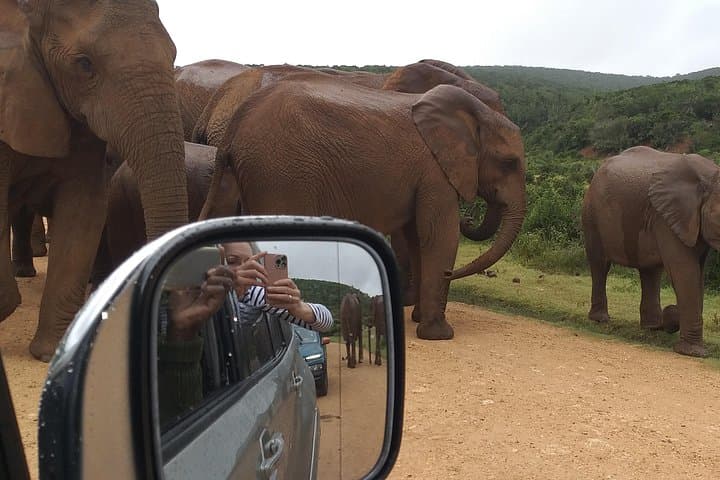
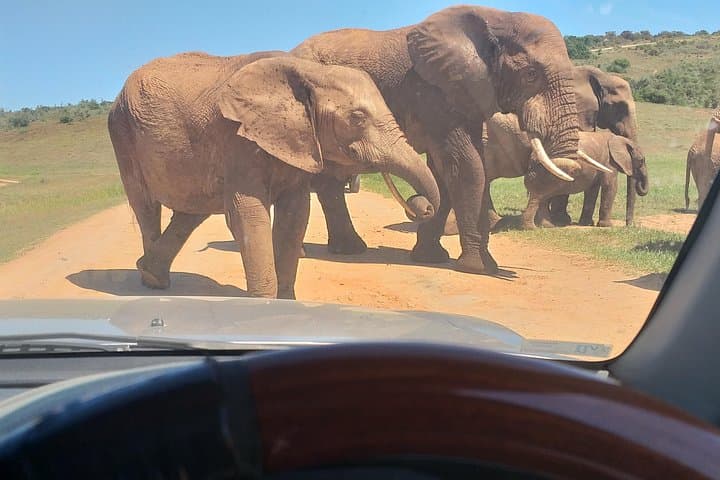
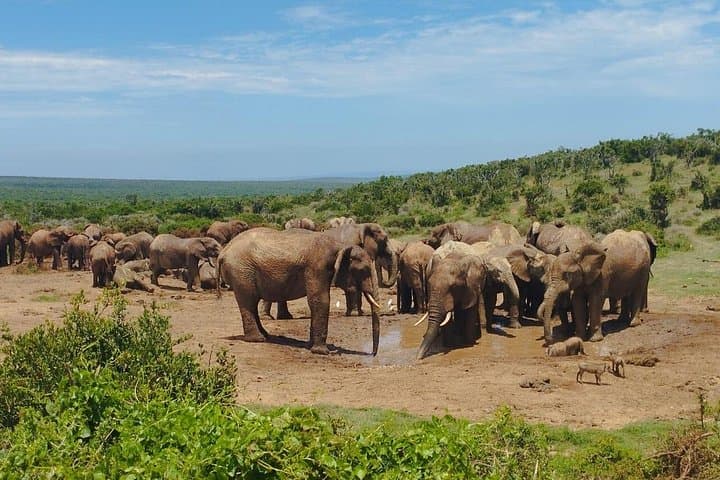
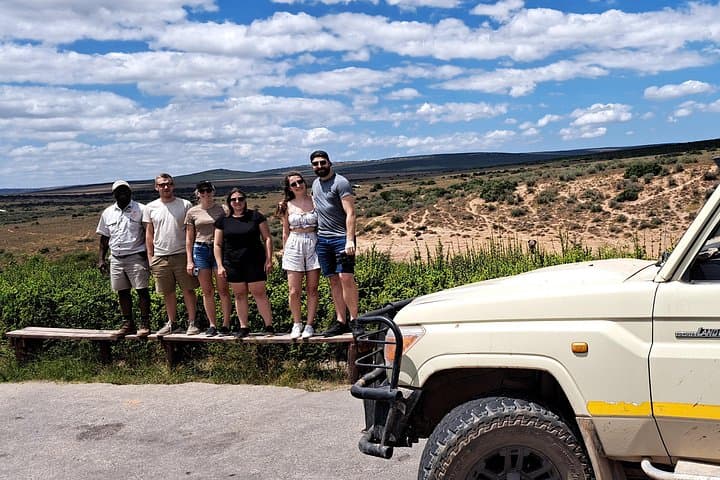
You step out of the vehicle into air warmed by sun and soil; a line of gray backs moves slow and deliberate across low rolling dunes, trunks testing the wind as if to read your intent. The park’s wide, uncluttered spaces let you watch elephants feed and socialize at a distance that still feels intimate—this is a place where animals set the tempo and visitors follow.
You step out of the vehicle into air warmed by sun and soil; a line of gray backs moves slow and deliberate across low rolling dunes, trunks testing the wind as if to read your intent. The park’s wide, uncluttered spaces let you watch elephants feed and socialize at a distance that still feels intimate—this is a place where animals set the tempo and visitors follow.
Addo Elephant National Park was enlarged over decades after formal protection began in the early 20th century to safeguard one of the continent’s last local elephant populations. The landscape shifts from coastal thicket to karoo scrub and low mountain ridges, carved on Permian sandstone and shale that create broad drainage lines and bushy waterholes. Culture and conservation meet at the lunch stop: a traditional South African braai and local drinks bring a plain, social flavor to a day otherwise spent scanning the bush.
Practicalities are straightforward: a full-day itinerary runs roughly 10 hours including park time and transfers, led by FGASA-accredited guides who also provide basic first aid. Expect sustained time in an open vehicle with brief walks for viewpoints and rest stops. Bring sun protection, binoculars, a charged camera and layered clothing for cool mornings and warmer afternoons. Hydrate early and keep movements slow during sightings—elephants are curious and cautious, and the best encounters come from patience and respect.