THE ADVENTURE COLLECTIVE® · Independent discovery and booking for outdoor travel

Spend a full day in Addo Elephant National Park with expert guides, close-up wildlife viewing, and a traditional South African braai lunch in the bush. Perfect for first-time safari-goers seeking Big Five sightings in a malaria-free reserve.
Spend a full day in Addo Elephant National Park with expert guides, close-up wildlife viewing, and a traditional South African braai lunch in the bush. Perfect for first-time safari-goers seeking Big Five sightings in a malaria-free reserve.
Dust rises in thin columns as the vehicle leaves Gqeberha at first light, the coastal breeze tugging at the windows while the guide scans the roadside for the first silhouettes of elephant backs.
Verified experiences and guided adventures in the surrounding area.
Operated by Game drives · Addo, Eastern Cape
Dust rises in thin columns as the vehicle leaves Gqeberha at first light, the coastal breeze tugging at the windows while the guide scans the roadside for the first silhouettes of elephant backs.
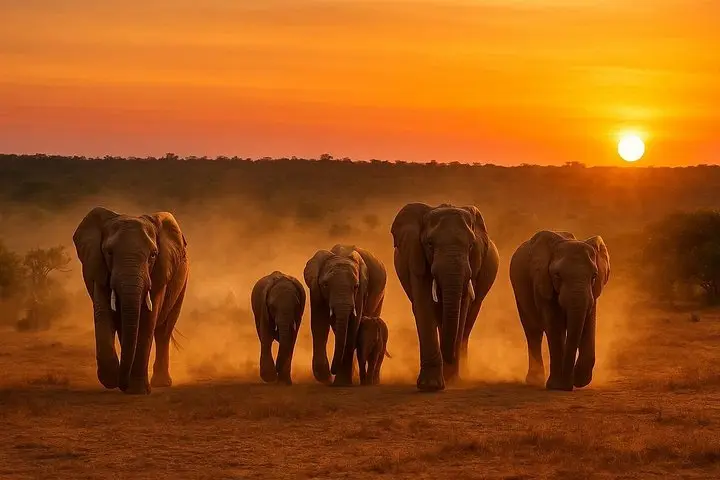
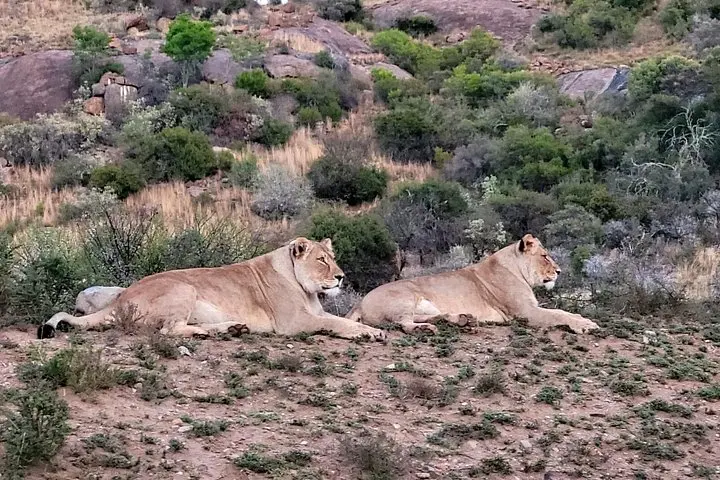
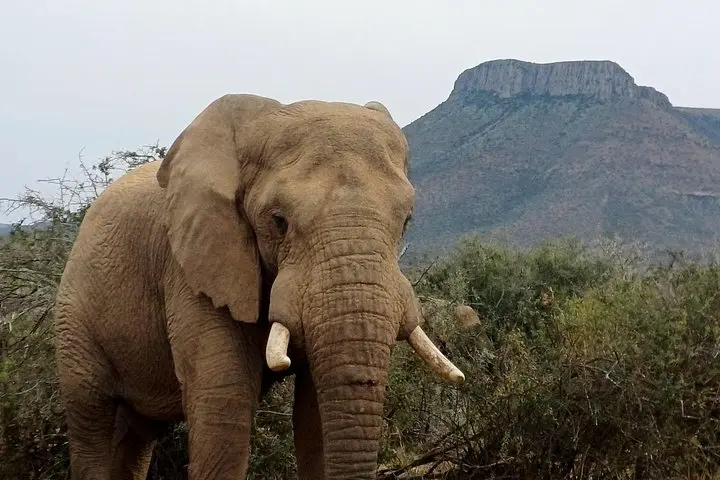
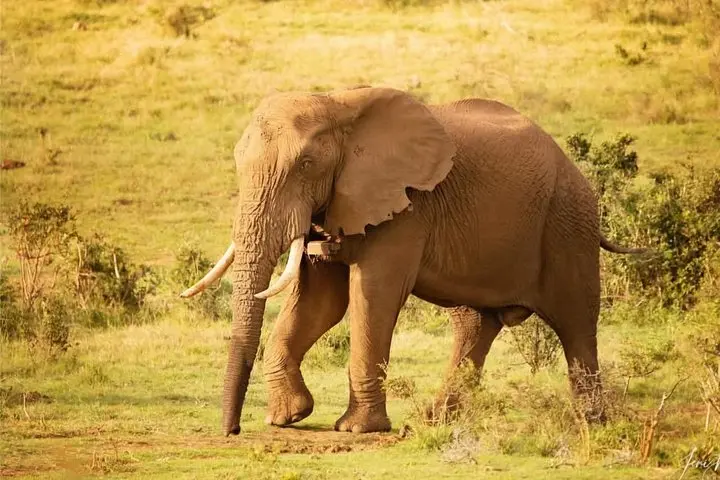
The drive moves through thorny Albany thicket and open plains where grasses bow under elephant feet; the land here is honest and direct, offering close encounters without the long trek. Addo Elephant National Park began in 1931 to protect eleven surviving elephants — a conservation story still unfolding as the park now supports hundreds of elephants alongside lions, buffalo and the rare black rhino. Geologically, Addo sits at the junction of inland plains and coastal formations; within the park boundaries the terrain slides from clay-rich valleys into sandy coastal pockets toward Algoa Bay, which brings a surprising marine dimension to a land-based safari.
Culturally, the day centers on the braai — a hands-on South African barbecue that turns a midday stop into a communal pause, often with rooibos tea and local hospitality. Guides share ecological context and anecdotes about species behavior, while the scrub and low forest offer intimate game viewing without a malaria risk.
Practicalities: expect a long, 9-hour day with multiple vehicle stops for game viewing and a seated hot-lunch braai. Wear layered, neutral clothing, bring binoculars and sun protection, and charge camera batteries in advance — sightings can be sudden. Roads are gravel; motion sensitivity and bumpy patches are possible, so plan accordingly. The experience suits first-time and seasoned wildlife visitors who want concentrated game viewing near Port Elizabeth.
Yes — Addo and the surrounding area are considered malaria-free, making it a safer choice for families and first-time safari visitors.
The full experience is approximately 9 hours and includes pick-up and drop-off from Port Elizabeth and nearby locations as listed during booking.
Yes — children are welcome, but infants must sit on an adult’s lap; clarify ages and needs when booking.
Absolutely — the safari vehicle allows close photographic access; pack a telephoto lens for wildlife and keep camera straps secure during stops.
Game drives operates guided outdoor trips and adventures with an emphasis on safety, stewardship, and memorable experiences.
Dust rises in thin columns as the vehicle leaves Gqeberha at first light, the coastal breeze tugging at the windows while the guide scans the roadside for the first silhouettes of elephant backs.
Dust rises in thin columns as the vehicle leaves Gqeberha at first light, the coastal breeze tugging at the windows while the guide scans the roadside for the first silhouettes of elephant backs.
The drive moves through thorny Albany thicket and open plains where grasses bow under elephant feet; the land here is honest and direct, offering close encounters without the long trek. Addo Elephant National Park began in 1931 to protect eleven surviving elephants — a conservation story still unfolding as the park now supports hundreds of elephants alongside lions, buffalo and the rare black rhino. Geologically, Addo sits at the junction of inland plains and coastal formations; within the park boundaries the terrain slides from clay-rich valleys into sandy coastal pockets toward Algoa Bay, which brings a surprising marine dimension to a land-based safari.
Culturally, the day centers on the braai — a hands-on South African barbecue that turns a midday stop into a communal pause, often with rooibos tea and local hospitality. Guides share ecological context and anecdotes about species behavior, while the scrub and low forest offer intimate game viewing without a malaria risk.
Practicalities: expect a long, 9-hour day with multiple vehicle stops for game viewing and a seated hot-lunch braai. Wear layered, neutral clothing, bring binoculars and sun protection, and charge camera batteries in advance — sightings can be sudden. Roads are gravel; motion sensitivity and bumpy patches are possible, so plan accordingly. The experience suits first-time and seasoned wildlife visitors who want concentrated game viewing near Port Elizabeth.