THE ADVENTURE COLLECTIVE® · Independent discovery and booking for outdoor travel

Spend an hour on a working Adirondack farm learning regenerative practices, meeting livestock, and walking past pasture, barns, and a market garden. This small-group tour is educational, accessible, and rooted in local food traditions.
Spend an hour on a working Adirondack farm learning regenerative practices, meeting livestock, and walking past pasture, barns, and a market garden. This small-group tour is educational, accessible, and rooted in local food traditions.
A cool, early-morning mist lifts from the pasture as you follow the dirt road past the farmstand toward a low greenhouse and gravel lot. Within an hour the farm compresses a living curriculum: pigs rooting in a paddock, goats nudging a fence, chickens threading through market beds, and a livestock guardian dog keeping a steady eye on the herd. The guide walks beside you, hands occasionally brushing damp grass, narrating seasonal work and regenerative practices as the landscape opens to fields and stone walls.
Verified experiences and guided adventures in the surrounding area.
Operated by The Cook Farm · Lake Placid, New York
A cool, early-morning mist lifts from the pasture as you follow the dirt road past the farmstand toward a low greenhouse and gravel lot. Within an hour the farm compresses a living curriculum: pigs rooting in a paddock, goats nudging a fence, chickens threading through market beds, and a livestock guardian dog keeping a steady eye on the herd. The guide walks beside you, hands occasionally brushing damp grass, narrating seasonal work and regenerative practices as the landscape opens to fields and stone walls.
This part of the Adirondacks sits on folded Cambrian bedrock and glacially scoured soils that historically supported mixed dairy and subsistence farms. Local culture blends upland farming traditions with Adirondack conservation ideals — small farms, farmers’ markets, and community-supported agriculture are common. The tour frames that history with modern soil-building techniques like rotational grazing, composting, and cover-cropping.
Expect a slow, educational stroll across pastures and into a barn: distance is short, terrain is flat to gently rolling, and the group size is small (up to 10). The host provides boot covers and discusses animal care, seasonal planting, and resilience in local food systems.
Practical guidance: wear sturdy, mud-shedding footwear and dress for the weather; tours run rain or shine but may cancel for bad weather with a 24‑hour cancellation policy for full refund. Bring a camera, but follow biosecurity requests (clean boots, no outside feed). If you’re traveling from Lake Placid or Saranac Lake, allow 20–40 minutes driving time depending on exact farm location. The tour is ideal for families, food-minded travelers, and anyone curious about hands-on, small-scale agriculture.
The guided farm tour lasts approximately 60 minutes and covers the main pastures, barn, and market garden.
Yes—tours are family-friendly, but children should be supervised and must follow the guide’s animal-safety instructions.
The farm provides disposable boot covers; visitors should still wear shoes suitable for mud and outdoor walking.
For a full refund cancel at least 24 hours before the scheduled departure; tours may be canceled for bad weather.
The Cook Farm operates guided outdoor trips and adventures with an emphasis on safety, stewardship, and memorable experiences.
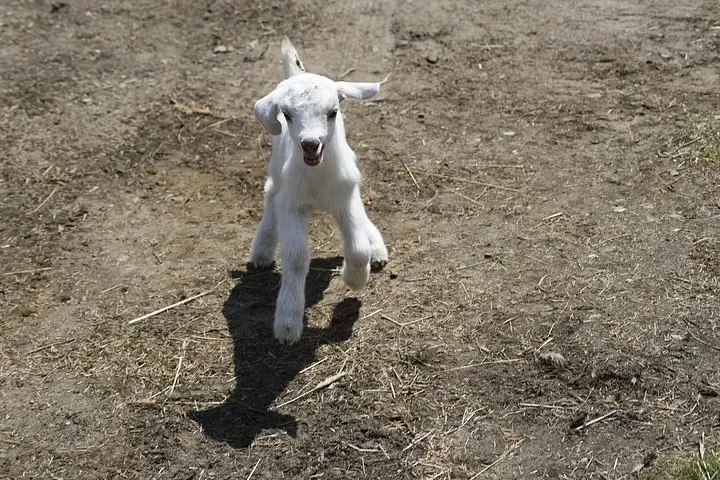
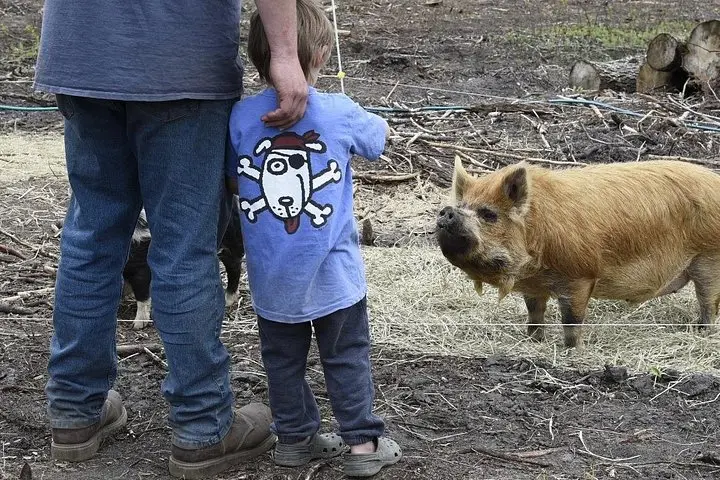
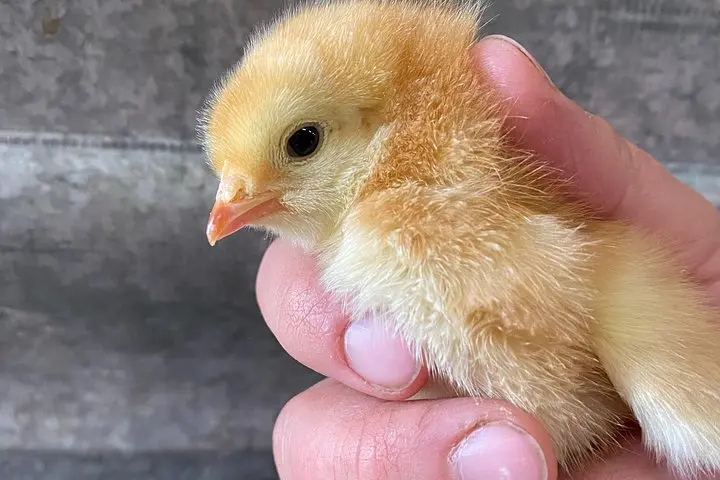
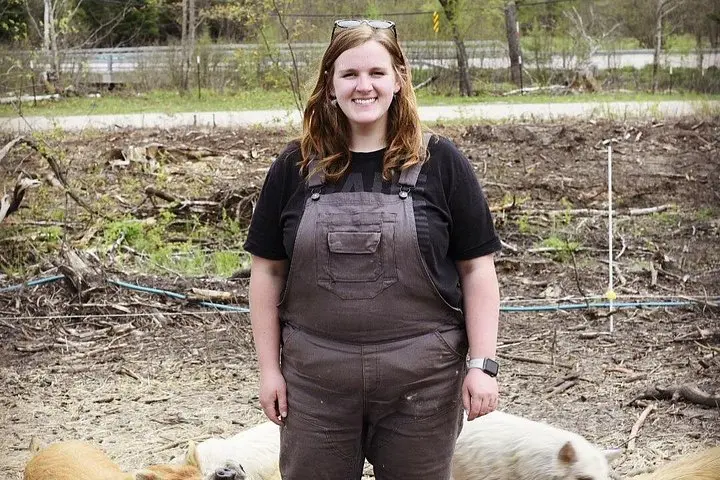
A cool, early-morning mist lifts from the pasture as you follow the dirt road past the farmstand toward a low greenhouse and gravel lot. Within an hour the farm compresses a living curriculum: pigs rooting in a paddock, goats nudging a fence, chickens threading through market beds, and a livestock guardian dog keeping a steady eye on the herd. The guide walks beside you, hands occasionally brushing damp grass, narrating seasonal work and regenerative practices as the landscape opens to fields and stone walls.
A cool, early-morning mist lifts from the pasture as you follow the dirt road past the farmstand toward a low greenhouse and gravel lot. Within an hour the farm compresses a living curriculum: pigs rooting in a paddock, goats nudging a fence, chickens threading through market beds, and a livestock guardian dog keeping a steady eye on the herd. The guide walks beside you, hands occasionally brushing damp grass, narrating seasonal work and regenerative practices as the landscape opens to fields and stone walls.
This part of the Adirondacks sits on folded Cambrian bedrock and glacially scoured soils that historically supported mixed dairy and subsistence farms. Local culture blends upland farming traditions with Adirondack conservation ideals — small farms, farmers’ markets, and community-supported agriculture are common. The tour frames that history with modern soil-building techniques like rotational grazing, composting, and cover-cropping.
Expect a slow, educational stroll across pastures and into a barn: distance is short, terrain is flat to gently rolling, and the group size is small (up to 10). The host provides boot covers and discusses animal care, seasonal planting, and resilience in local food systems.
Practical guidance: wear sturdy, mud-shedding footwear and dress for the weather; tours run rain or shine but may cancel for bad weather with a 24‑hour cancellation policy for full refund. Bring a camera, but follow biosecurity requests (clean boots, no outside feed). If you’re traveling from Lake Placid or Saranac Lake, allow 20–40 minutes driving time depending on exact farm location. The tour is ideal for families, food-minded travelers, and anyone curious about hands-on, small-scale agriculture.