THE ADVENTURE COLLECTIVE® · Independent discovery and booking for outdoor travel

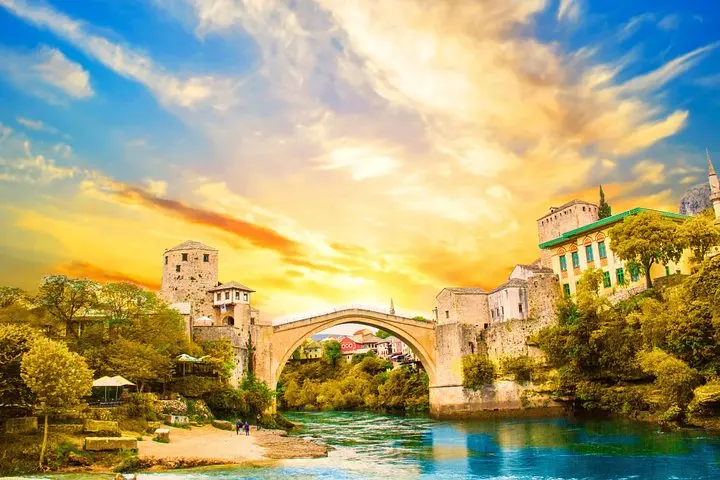
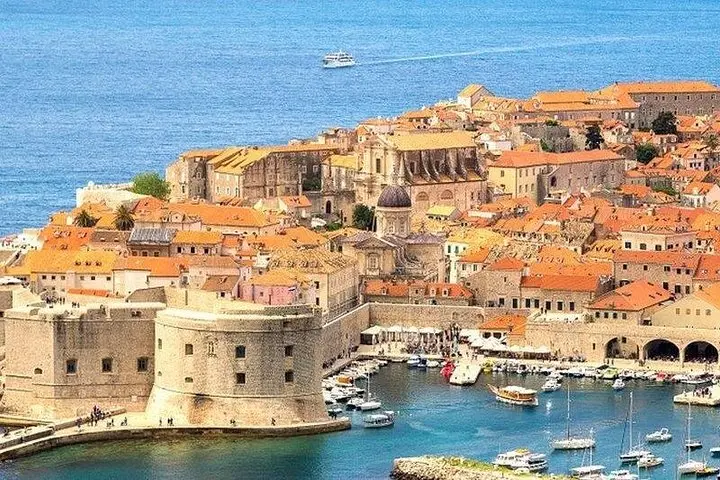
Ten days that move from the folded karst of Montenegro to Dubrovnik’s ramparts and the river-sculpted streets of Mostar and Sarajevo. Expect dramatic drives, short hikes, island boat trips and layered history in compact, well-paced days.
Ten days that move from the folded karst of Montenegro to Dubrovnik’s ramparts and the river-sculpted streets of Mostar and Sarajevo. Expect dramatic drives, short hikes, island boat trips and layered history in compact, well-paced days.
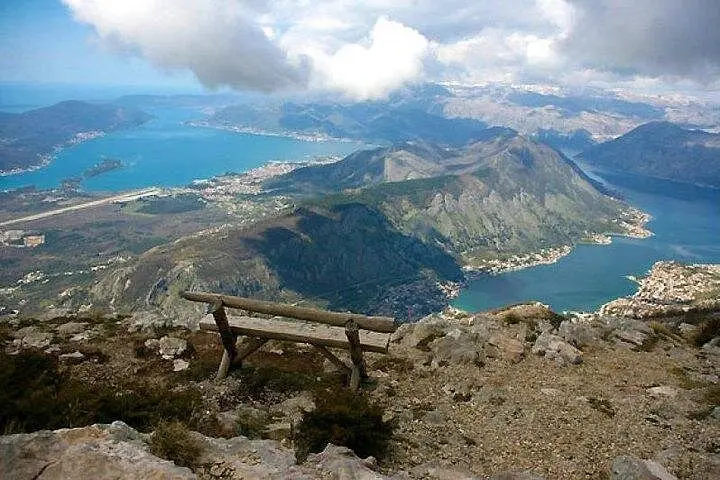
You step out of the minibus into a square where stonework has weathered centuries of trade winds and empires. In Kotor the air tastes faintly of brine and wood smoke; gulls argue over scraps on the quay while the Bay of Kotor closes around you like an inland sea that refuses to be ordinary. The first day sets the tone: fortified walls, narrow alleys, and a slow, expert guide who threads history into each cobblestone.
Verified experiences and guided adventures in the surrounding area.
Operated by 360Monte · Kotor, Kotor Municipality
You step out of the minibus into a square where stonework has weathered centuries of trade winds and empires. In Kotor the air tastes faintly of brine and wood smoke; gulls argue over scraps on the quay while the Bay of Kotor closes around you like an inland sea that refuses to be ordinary. The first day sets the tone: fortified walls, narrow alleys, and a slow, expert guide who threads history into each cobblestone.
This 10-day circuit stitches together Montenegro’s mountain heart with the cultural high points of Dubrovnik, Mostar and Sarajevo. Geology fans will note how young limestone ranges—jagged, terraced, glaciated—give way to the karst-dolomite coast where bays and islets were carved by ancient seas. Lovćen’s hairpin road from the Austro-Hungarian era climbs in 25 serpentines to a mausoleum that looks out over most of Montenegro; from that lip you can watch weather move like a living wall across peaks and fjord-like inlets.
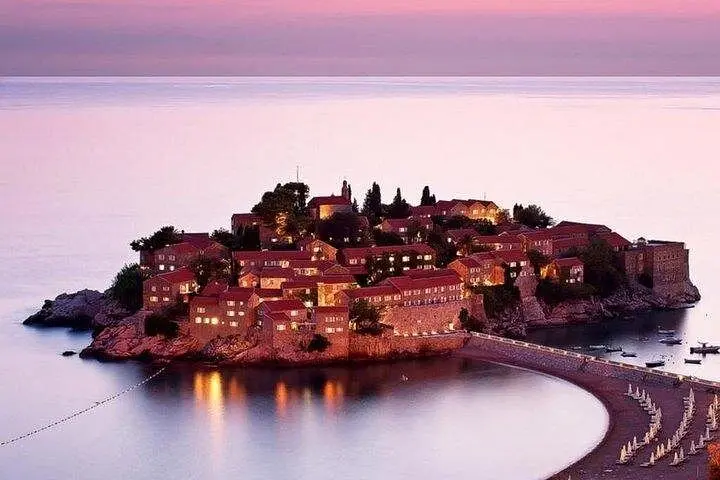
Culturally the route is a palimpsest: Venetian merchants in Perast, Ottoman bazaars in Mostar, Austro-Hungarian civic blocks in Sarajevo, and Orthodox monastic life at Ostrog. At Kravice Falls the river insists you slow down—water flings itself over limestone shelves and invites a cooling dip; at the Đurđevića Tara Bridge the canyon drops away so abruptly it redefines vertigo. The boat day in Boka Bay mixes architectural oddities and folklore—Our Lady of the Rocks, built stone by stone by local seamen—and marine caves that turn midday into an electric blue interior.
Practical edge: the tour moves at a steady clip with daily drives and guided walks; expect several hotel transfers and some moderate hikes or stair climbs (Lovćen mausoleum requires about 461 steps; fortress walks in Kotor and Dubrovnik are steep). Bring layers—coastal mornings can be mild while mountain evenings drop sharply. Footwear should be grippy for cobbles and uneven trails; a small daypack, refillable water bottle, and a rain layer will cover most contingencies.
Timing matters: arrive in Dubrovnik or Tivat with buffer time; the operator coordinates pickups and will confirm details 24–48 hours ahead. Photography rewards the early morning soft light at Black Lake in Durmitor and the low-angle sunset across Perast. Respect local customs: modest dress for religious sites, small cash amounts for rural purchases, and lightweight tips for guides who smooth long days of travel.
In short, this is a panorama-style tour for travelers who want a broad but textured encounter with the eastern Adriatic—mountains that dare you higher, rivers that push you toward cliffs and pools, and cities that keep history audible under every footstep.
Days combine guided walking tours, scenic drives and one boat cruise; expect mornings of travel followed by 2–4 hour sightseeing blocks and evening hotel transfers.
Breakfast, 9 lunches and 9 dinners are included as noted—some free time allows for independent meals.
Yes—guides are trained to assist with dietary needs but note restrictions during booking so local restaurants can prepare alternatives.
The tour is labeled physically easy overall, but historic sites have steep steps and uneven surfaces that may be challenging—contact the operator for specific accessibility needs.
Transfers from/to Podgorica, Tivat or Dubrovnik airports are included; pickup details are confirmed 1–2 days before departure.
Montenegro uses the euro; Bosnia and Herzegovina use the convertible mark. Small tips for guides, drivers and restaurant staff are appreciated in cash.
360Monte operates guided outdoor trips and adventures with an emphasis on safety, stewardship, and memorable experiences.
You step out of the minibus into a square where stonework has weathered centuries of trade winds and empires. In Kotor the air tastes faintly of brine and wood smoke; gulls argue over scraps on the quay while the Bay of Kotor closes around you like an inland sea that refuses to be ordinary. The first day sets the tone: fortified walls, narrow alleys, and a slow, expert guide who threads history into each cobblestone.
You step out of the minibus into a square where stonework has weathered centuries of trade winds and empires. In Kotor the air tastes faintly of brine and wood smoke; gulls argue over scraps on the quay while the Bay of Kotor closes around you like an inland sea that refuses to be ordinary. The first day sets the tone: fortified walls, narrow alleys, and a slow, expert guide who threads history into each cobblestone.
This 10-day circuit stitches together Montenegro’s mountain heart with the cultural high points of Dubrovnik, Mostar and Sarajevo. Geology fans will note how young limestone ranges—jagged, terraced, glaciated—give way to the karst-dolomite coast where bays and islets were carved by ancient seas. Lovćen’s hairpin road from the Austro-Hungarian era climbs in 25 serpentines to a mausoleum that looks out over most of Montenegro; from that lip you can watch weather move like a living wall across peaks and fjord-like inlets.
Culturally the route is a palimpsest: Venetian merchants in Perast, Ottoman bazaars in Mostar, Austro-Hungarian civic blocks in Sarajevo, and Orthodox monastic life at Ostrog. At Kravice Falls the river insists you slow down—water flings itself over limestone shelves and invites a cooling dip; at the Đurđevića Tara Bridge the canyon drops away so abruptly it redefines vertigo. The boat day in Boka Bay mixes architectural oddities and folklore—Our Lady of the Rocks, built stone by stone by local seamen—and marine caves that turn midday into an electric blue interior.
Practical edge: the tour moves at a steady clip with daily drives and guided walks; expect several hotel transfers and some moderate hikes or stair climbs (Lovćen mausoleum requires about 461 steps; fortress walks in Kotor and Dubrovnik are steep). Bring layers—coastal mornings can be mild while mountain evenings drop sharply. Footwear should be grippy for cobbles and uneven trails; a small daypack, refillable water bottle, and a rain layer will cover most contingencies.
Timing matters: arrive in Dubrovnik or Tivat with buffer time; the operator coordinates pickups and will confirm details 24–48 hours ahead. Photography rewards the early morning soft light at Black Lake in Durmitor and the low-angle sunset across Perast. Respect local customs: modest dress for religious sites, small cash amounts for rural purchases, and lightweight tips for guides who smooth long days of travel.
In short, this is a panorama-style tour for travelers who want a broad but textured encounter with the eastern Adriatic—mountains that dare you higher, rivers that push you toward cliffs and pools, and cities that keep history audible under every footstep.