THE ADVENTURE COLLECTIVE® · Independent discovery and booking for outdoor travel

Move to berimbau rhythms in Miami with a 90-minute adults Capoeira class—part martial art, part dance, and all live music. Expect warm-up, technique drills, partner exchanges and cultural context woven into a full-body workout.
Move to berimbau rhythms in Miami with a 90-minute adults Capoeira class—part martial art, part dance, and all live music. Expect warm-up, technique drills, partner exchanges and cultural context woven into a full-body workout.
You step into a sunlit studio in Miami, the air pulsing with berimbau rhythms while bodies bend and spin into low, flowing movements. The space smells faintly of sweat and resin, hands clap a steady tempo, and instructors call out sequences that combine attack, escape and dance.
Verified experiences and guided adventures in the surrounding area.
Operated by Ocean Life Studio · Miami, Florida
You step into a sunlit studio in Miami, the air pulsing with berimbau rhythms while bodies bend and spin into low, flowing movements. The space smells faintly of sweat and resin, hands clap a steady tempo, and instructors call out sequences that combine attack, escape and dance.
Capoeira began in 16th–19th century Brazil as a resistance practice among enslaved Africans, evolving into a performed martial art where music governs combat. In Miami, Capoeira connects those roots to the city’s large Latin and Afro-Caribbean communities—classes often include live instruments and songs in Portuguese, offering a cultural thread as strong as the physical one.
Technique focuses on ginga (the fundamental sway), evasive movements, kicks and partner play; music and rhythm regulate intensity. Expect a balanced session: warm-up, technique drills, partner exchanges and a controlled roda (circle) if the group is ready. The studio setting is flat, wooden floors or mats—no technical terrain, but coordination and body awareness are essential.
Practical guidance: wear flexible, breathable clothing and train barefoot or with flat, flexible shoes. Bring water and a small towel; arrive 10–15 minutes early for warm-up and to meet the instructors. The 90-minute format suits both newcomers and seasoned movers; instructors typically scale moves for different fitness levels.
This is a social, full-body workout that teaches self-defense basics while immersing you in live music and Brazilian cultural expression—an intense, rhythmic way to move in Miami.
No — most adult classes welcome beginners; instructors typically scale movements and progress at class-appropriate intensity.
Yes — the listing indicates wheelchair-accessible facilities; contact the operator ahead to confirm any specific accommodations.
Wear flexible, breathable clothing; many participants train barefoot on studio floors, though flat training shoes are acceptable if preferred.
Full refunds are available if you cancel at least 24 hours before the scheduled class per the operator’s standard policy.
Ocean Life Studio operates guided outdoor trips and adventures with an emphasis on safety, stewardship, and memorable experiences.
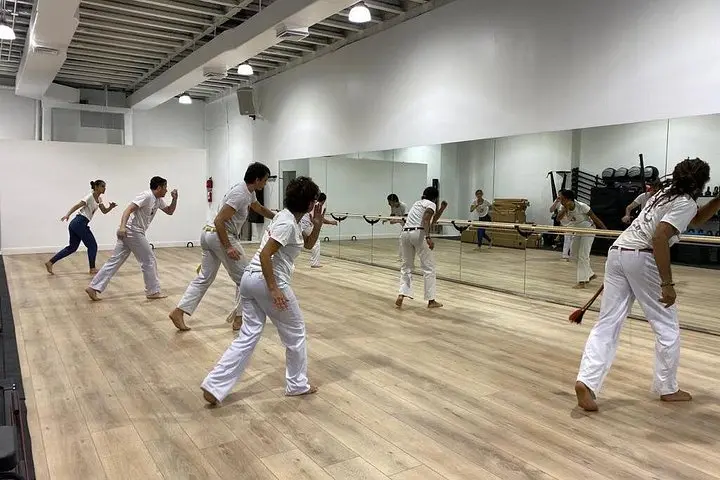
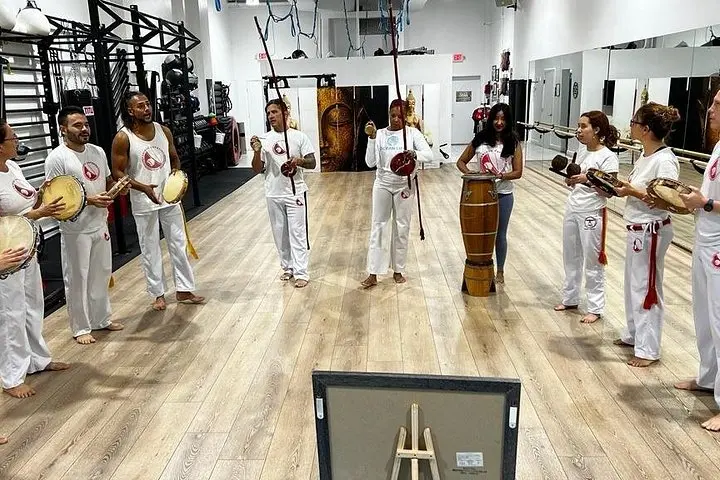
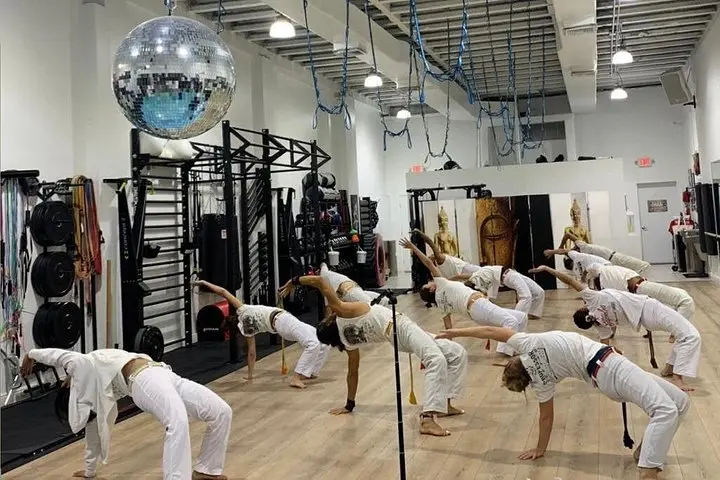
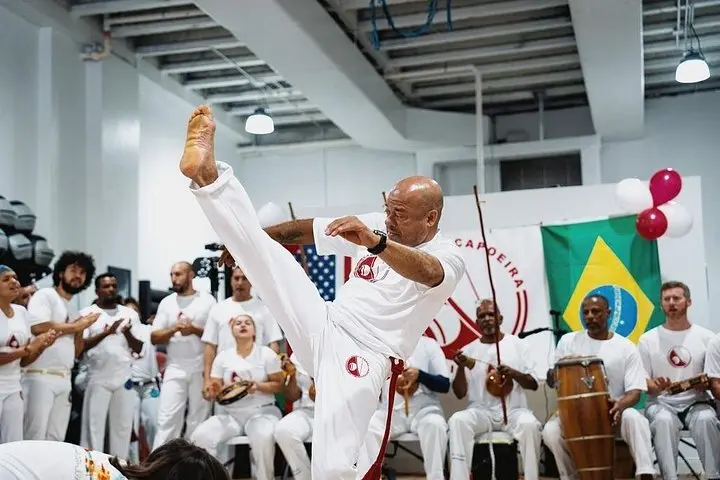
You step into a sunlit studio in Miami, the air pulsing with berimbau rhythms while bodies bend and spin into low, flowing movements. The space smells faintly of sweat and resin, hands clap a steady tempo, and instructors call out sequences that combine attack, escape and dance.
You step into a sunlit studio in Miami, the air pulsing with berimbau rhythms while bodies bend and spin into low, flowing movements. The space smells faintly of sweat and resin, hands clap a steady tempo, and instructors call out sequences that combine attack, escape and dance.
Capoeira began in 16th–19th century Brazil as a resistance practice among enslaved Africans, evolving into a performed martial art where music governs combat. In Miami, Capoeira connects those roots to the city’s large Latin and Afro-Caribbean communities—classes often include live instruments and songs in Portuguese, offering a cultural thread as strong as the physical one.
Technique focuses on ginga (the fundamental sway), evasive movements, kicks and partner play; music and rhythm regulate intensity. Expect a balanced session: warm-up, technique drills, partner exchanges and a controlled roda (circle) if the group is ready. The studio setting is flat, wooden floors or mats—no technical terrain, but coordination and body awareness are essential.
Practical guidance: wear flexible, breathable clothing and train barefoot or with flat, flexible shoes. Bring water and a small towel; arrive 10–15 minutes early for warm-up and to meet the instructors. The 90-minute format suits both newcomers and seasoned movers; instructors typically scale moves for different fitness levels.
This is a social, full-body workout that teaches self-defense basics while immersing you in live music and Brazilian cultural expression—an intense, rhythmic way to move in Miami.