THE ADVENTURE COLLECTIVE® · Independent discovery and booking for outdoor travel

Tackle lava-cut chutes, rope down basalt walls and swim cold mountain pools on a three-hour canyoning route beneath Mt. Fuji. Small groups, guided safety and summer-only conditions make this a concentrated, high-adrenaline outing close to Fujinomiya.
Tackle lava-cut chutes, rope down basalt walls and swim cold mountain pools on a three-hour canyoning route beneath Mt. Fuji. Small groups, guided safety and summer-only conditions make this a concentrated, high-adrenaline outing close to Fujinomiya.
You step off a narrow trail and the canyon opens—black lava walls, a green ribbon of water, and the shape of Mt. Fuji pinned on the horizon. The air smells of wet stone; the river dares you forward with a steady, playful shove. This is a half-day canyoning loop close to Fuji, built around walking gorges, natural slides, rope rappels and pools that take the breath out of you as much from cold as from joy.
Verified experiences and guided adventures in the surrounding area.
Operated by Fujiyama Canyoning Japan · Fujinomiya, Shizuoka Prefecture
You step off a narrow trail and the canyon opens—black lava walls, a green ribbon of water, and the shape of Mt. Fuji pinned on the horizon. The air smells of wet stone; the river dares you forward with a steady, playful shove. This is a half-day canyoning loop close to Fuji, built around walking gorges, natural slides, rope rappels and pools that take the breath out of you as much from cold as from joy.
Geology here is recent in human terms: volcanic flows and lahars from Mt. Fuji have carved deep channels into basalt and ash, creating plunges and narrow chutes ideal for canyoning. Culturally, the area sits between Shinto reverence for the mountain and a practical local outdoor tradition—guides in the region blend rigorous safety with a hands-on approach learned from mountaineering and river work.
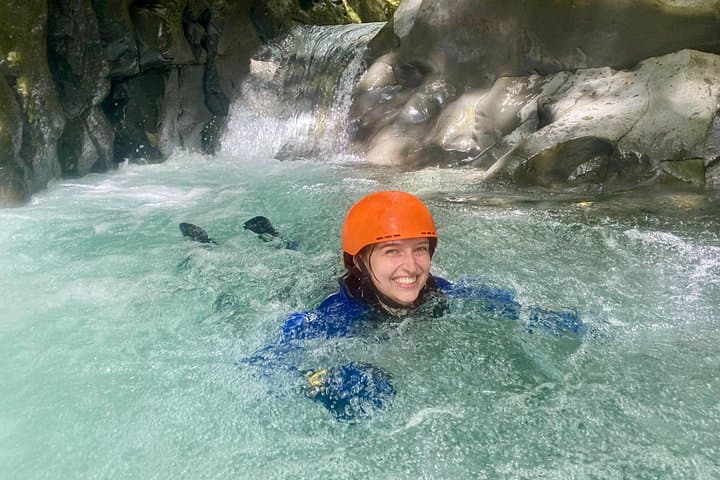
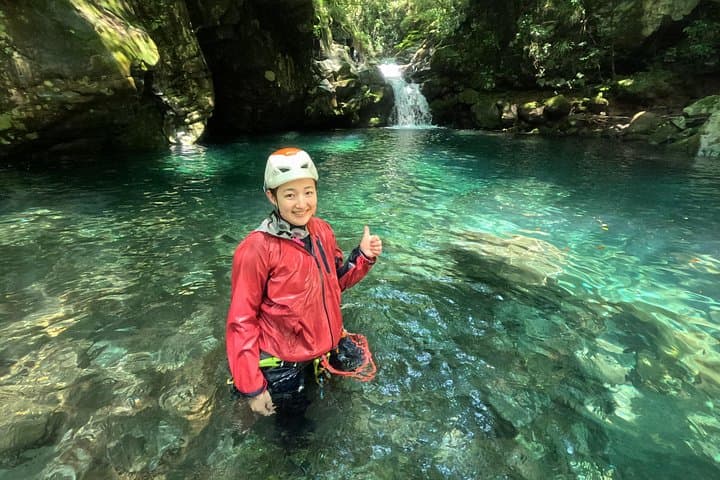
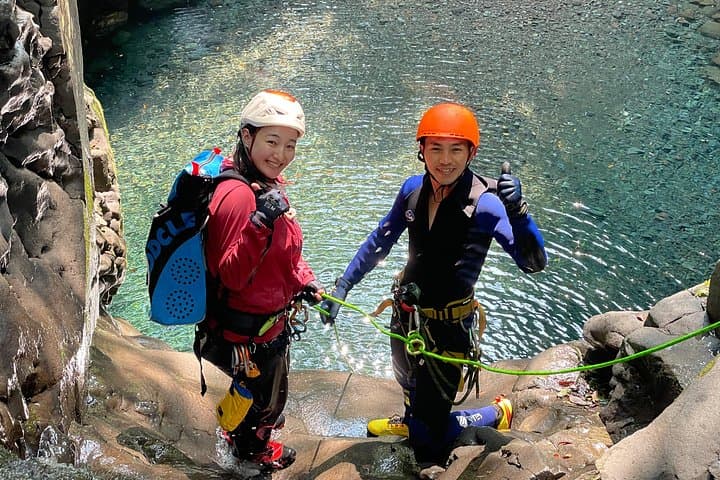
Expect jumps from 1–9 meters, short rappels on fixed anchors, and swims in cold mountain pools. Guides provide wetsuits, helmets, harnesses and canyon shoes; groups are small (max six). Tours run April/May to September and close in winter months.
Practical guidance: arrive in quick-dry layers, bring shoes that drain, and be ready for wet conditions and slick rock. Hydrate before you start; the exertion and cold combine in a way that hides dehydration. If you have cardiovascular concerns or pregnancy, skip this run—guides screen participants for safety. For photographers: use a secured waterproof case or leave the camera with your group leader for key photo spots.
This trip balances adrenaline with concrete logistics—three hours of technical fun framed by one of Japan’s most iconic landscapes.
No—guides lead technical sections and provide instruction, but you should be comfortable swimming and jumping from modest heights.
Policies vary; operators typically ask for age and weight at booking to ensure harness fit and safety—declare this information during booking.
Public transport is available nearby but check with the operator for meeting points; many travelers stay in Fujinomiya or Kawaguchiko and arrange local transit.
Tours are cancelled in heavy rain or unsafe river conditions; operators usually offer refunds if cancelled at least 24 hours in advance.
Fujiyama Canyoning Japan operates guided outdoor trips and adventures with an emphasis on safety, stewardship, and memorable experiences.
You step off a narrow trail and the canyon opens—black lava walls, a green ribbon of water, and the shape of Mt. Fuji pinned on the horizon. The air smells of wet stone; the river dares you forward with a steady, playful shove. This is a half-day canyoning loop close to Fuji, built around walking gorges, natural slides, rope rappels and pools that take the breath out of you as much from cold as from joy.
You step off a narrow trail and the canyon opens—black lava walls, a green ribbon of water, and the shape of Mt. Fuji pinned on the horizon. The air smells of wet stone; the river dares you forward with a steady, playful shove. This is a half-day canyoning loop close to Fuji, built around walking gorges, natural slides, rope rappels and pools that take the breath out of you as much from cold as from joy.
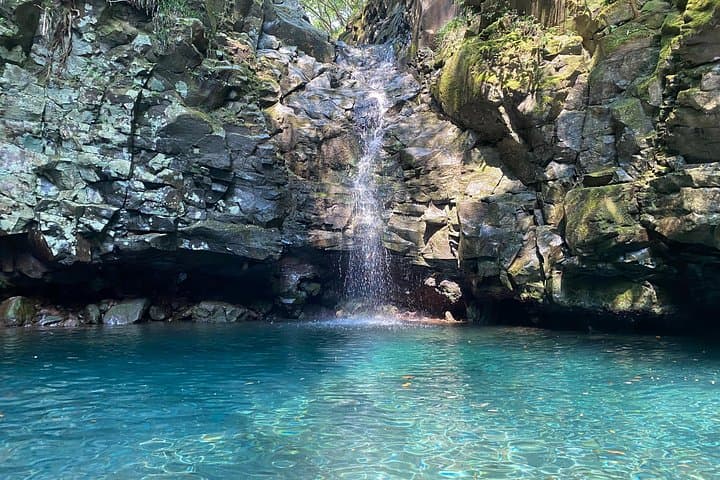
Geology here is recent in human terms: volcanic flows and lahars from Mt. Fuji have carved deep channels into basalt and ash, creating plunges and narrow chutes ideal for canyoning. Culturally, the area sits between Shinto reverence for the mountain and a practical local outdoor tradition—guides in the region blend rigorous safety with a hands-on approach learned from mountaineering and river work.
Expect jumps from 1–9 meters, short rappels on fixed anchors, and swims in cold mountain pools. Guides provide wetsuits, helmets, harnesses and canyon shoes; groups are small (max six). Tours run April/May to September and close in winter months.
Practical guidance: arrive in quick-dry layers, bring shoes that drain, and be ready for wet conditions and slick rock. Hydrate before you start; the exertion and cold combine in a way that hides dehydration. If you have cardiovascular concerns or pregnancy, skip this run—guides screen participants for safety. For photographers: use a secured waterproof case or leave the camera with your group leader for key photo spots.
This trip balances adrenaline with concrete logistics—three hours of technical fun framed by one of Japan’s most iconic landscapes.