THE ADVENTURE COLLECTIVE® · Independent discovery and booking for outdoor travel
Move through a glaciated valley above Anchorage on a guided, advanced snowshoe outing in the Glen Alps. Expect steep, snow-packed trails, creek crossings, alpine views of Cook Inlet, and expert interpretation of local ecology.
Move through a glaciated valley above Anchorage on a guided, advanced snowshoe outing in the Glen Alps. Expect steep, snow-packed trails, creek crossings, alpine views of Cook Inlet, and expert interpretation of local ecology.
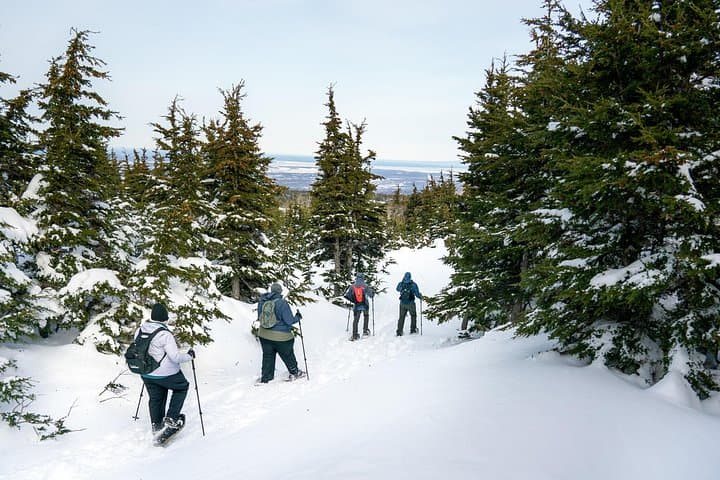
The valley exhales cold air as you step from the trailhead into the Glen Alps—wind buffeting through spruce and hemlock, snow packing under crampon-shaped frames. Guides check bindings, hand out maps, then lead the group toward South Fork Campbell Creek, where the creek’s frozen voice dares you to follow its braided channel deeper into a glacial hollow.
Verified experiences and guided adventures in the surrounding area.
Operated by Go Hike Alaska · Anchorage, Alaska
The valley exhales cold air as you step from the trailhead into the Glen Alps—wind buffeting through spruce and hemlock, snow packing under crampon-shaped frames. Guides check bindings, hand out maps, then lead the group toward South Fork Campbell Creek, where the creek’s frozen voice dares you to follow its braided channel deeper into a glacial hollow.
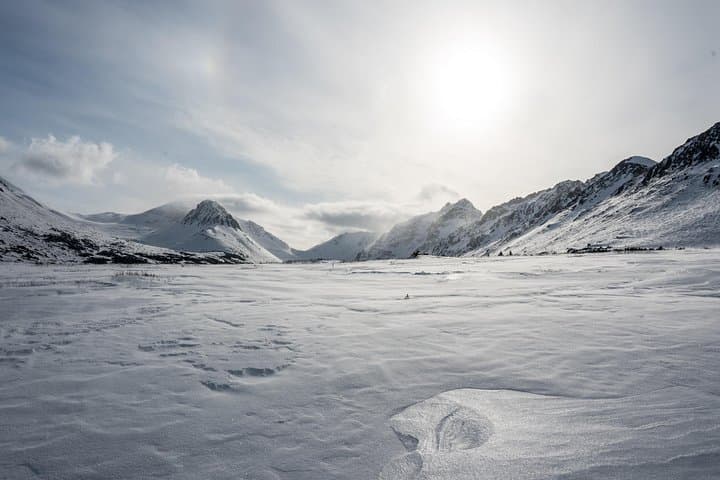
This route sits on the eastern edge of Anchorage, within Chugach State Park, a landscape carved by Pleistocene ice and recent alpine glaciers. The Glen Alps area exposes raw geology—granite outcrops, glacial till, and moraine-scoured basins—while Dena'ina Athabascan communities historically traveled these lowland corridors. Today, experienced naturalists point out aging spruce, tell of glacial retreat, and interpret wildlife tracks left in the snow.
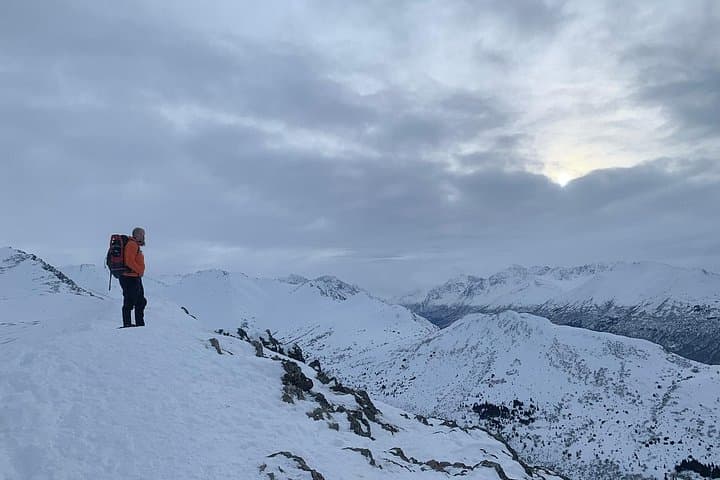
Expect steady climbs into alpine meadows, creek crossings packed with hard snow, and multiple viewpoints that open onto the Anchorage Bowl and Cook Inlet. Wildlife encounters are possible but respectful distance is required; the valley often keeps its secrets. Weather can flip fast—sunlit stillness can become wind-driven whiteout in minutes—so timing and layers matter.
Practical notes: the tour runs about five hours (including an hour of transport) and covers varied terrain suitable for fit hikers with prior snowshoeing experience. Guides provide snowshoes, a snack, and local insight; you supply sturdy insulated boots, waterproof outer layers, and a willingness to move steadily. Hydrate, protect exposed skin, and plan for limited daylight in deep winter—this is a route that rewards preparation as much as courage.
The route includes steep, sustained ascents, snow-packed trails, and creek crossings—appropriate for fit hikers with prior winter hiking or snowshoeing experience.
Yes, the operator supplies snowshoes and can provide daypacks, poles, and gaiters on request.
Insulated, waterproof boots with good ankle support are recommended; thin liners help manage sweat and warmth.
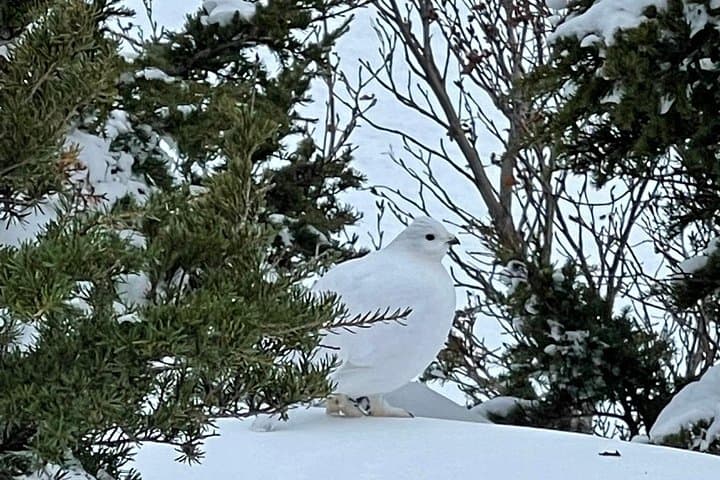
Guides look for signs and sightings but maintain safe distances—moose, hares, and birds are possible; lynx are rare and elusive.
Go Hike Alaska operates guided outdoor trips and adventures with an emphasis on safety, stewardship, and memorable experiences.
The valley exhales cold air as you step from the trailhead into the Glen Alps—wind buffeting through spruce and hemlock, snow packing under crampon-shaped frames. Guides check bindings, hand out maps, then lead the group toward South Fork Campbell Creek, where the creek’s frozen voice dares you to follow its braided channel deeper into a glacial hollow.
The valley exhales cold air as you step from the trailhead into the Glen Alps—wind buffeting through spruce and hemlock, snow packing under crampon-shaped frames. Guides check bindings, hand out maps, then lead the group toward South Fork Campbell Creek, where the creek’s frozen voice dares you to follow its braided channel deeper into a glacial hollow.
This route sits on the eastern edge of Anchorage, within Chugach State Park, a landscape carved by Pleistocene ice and recent alpine glaciers. The Glen Alps area exposes raw geology—granite outcrops, glacial till, and moraine-scoured basins—while Dena'ina Athabascan communities historically traveled these lowland corridors. Today, experienced naturalists point out aging spruce, tell of glacial retreat, and interpret wildlife tracks left in the snow.
Expect steady climbs into alpine meadows, creek crossings packed with hard snow, and multiple viewpoints that open onto the Anchorage Bowl and Cook Inlet. Wildlife encounters are possible but respectful distance is required; the valley often keeps its secrets. Weather can flip fast—sunlit stillness can become wind-driven whiteout in minutes—so timing and layers matter.
Practical notes: the tour runs about five hours (including an hour of transport) and covers varied terrain suitable for fit hikers with prior snowshoeing experience. Guides provide snowshoes, a snack, and local insight; you supply sturdy insulated boots, waterproof outer layers, and a willingness to move steadily. Hydrate, protect exposed skin, and plan for limited daylight in deep winter—this is a route that rewards preparation as much as courage.
