THE ADVENTURE COLLECTIVE® · Independent discovery and booking for outdoor travel

A focused three-day semi-private tour through Pamukkale, Hierapolis, Ephesus and lesser-known archaeological sites offers thermal terraces, Roman streets and village craft experiences. Ideal for travelers who want concentrated history, varied terrain and local culture with a small-group feel.
A focused three-day semi-private tour through Pamukkale, Hierapolis, Ephesus and lesser-known archaeological sites offers thermal terraces, Roman streets and village craft experiences. Ideal for travelers who want concentrated history, varied terrain and local culture with a small-group feel.
You arrive where white calcium terraces catch late-afternoon light and a warm steam rises from thermal springs—the travertines of Pamukkale demand slow steps and curious eyes. On this three-day semi-private circuit, the landscape keeps shifting: mineral cascades and Roman baths at Hierapolis give way to marble avenues at Ephesus, then to quieter ruins and rural life at Stratonikeia, Lagina and Etrim village.
Verified experiences and guided adventures in the surrounding area.
Operated by Turkey Experiences · Pamukkale, Denizli Province
You arrive where white calcium terraces catch late-afternoon light and a warm steam rises from thermal springs—the travertines of Pamukkale demand slow steps and curious eyes. On this three-day semi-private circuit, the landscape keeps shifting: mineral cascades and Roman baths at Hierapolis give way to marble avenues at Ephesus, then to quieter ruins and rural life at Stratonikeia, Lagina and Etrim village.
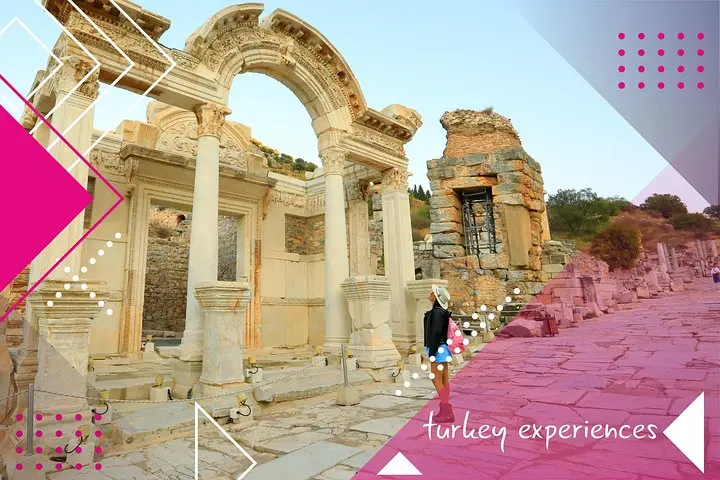
Geology here is plain to see. Pamukkale’s terraces formed over millennia as calcium-rich waters cooled and deposited layers of travertine; nearby Hierapolis grew over those springs as a Roman spa town. Ephesus, once a busy Mediterranean port, preserves monumental civic architecture—Celsus Library and the grand theater—that speak to its role in Roman and late antique trade and religion. Stratonikeia and Lagina reveal Hellenistic urban planning and cult landscapes, where processional roads and sanctuaries honored gods such as Hecate.
Culturally the trip balances archaeology with living traditions: village weaving cooperatives still practice techniques centuries old, while local kitchens serve slow-cooked Aegean lunches. Expect interpretive guides, short walks across uneven stone, and optional extras such as paragliding above the terraces.
Practical guidance: travel includes domestic flights, two nights’ hotel in Kuşadası, and several lunches; groups cap at 10. Bring sturdy walking shoes, sun protection, and a small daypack; carry cash for site fees or optional swims in Cleopatra’s Pool. Pace your visit—temperatures can swing quickly—and follow site rules to protect fragile travertine and mosaics. The route rewards curiosity: historic layers, coastal views and pockets of quiet village life knit into a compact, adventurous three-day loop.
Entrance fees and optional extras such as the Antique Pool swim or paragliding are typically not included; confirm final inclusions with the tour operator before travel.
Yes—there is an option to fly to Cappadocia instead of returning to Istanbul; inform the operator during booking to arrange transfers and domestic flight logistics.
Paragliding over Pamukkale is optional and available at extra cost; it depends on weather and pilot availability on your travel day.
The tour is not recommended for travelers with serious spine or heart conditions or for pregnant guests; many sites have uneven ground and steps that limit wheelchair access.
Turkey Experiences operates guided outdoor trips and adventures with an emphasis on safety, stewardship, and memorable experiences.
You arrive where white calcium terraces catch late-afternoon light and a warm steam rises from thermal springs—the travertines of Pamukkale demand slow steps and curious eyes. On this three-day semi-private circuit, the landscape keeps shifting: mineral cascades and Roman baths at Hierapolis give way to marble avenues at Ephesus, then to quieter ruins and rural life at Stratonikeia, Lagina and Etrim village.
You arrive where white calcium terraces catch late-afternoon light and a warm steam rises from thermal springs—the travertines of Pamukkale demand slow steps and curious eyes. On this three-day semi-private circuit, the landscape keeps shifting: mineral cascades and Roman baths at Hierapolis give way to marble avenues at Ephesus, then to quieter ruins and rural life at Stratonikeia, Lagina and Etrim village.
Geology here is plain to see. Pamukkale’s terraces formed over millennia as calcium-rich waters cooled and deposited layers of travertine; nearby Hierapolis grew over those springs as a Roman spa town. Ephesus, once a busy Mediterranean port, preserves monumental civic architecture—Celsus Library and the grand theater—that speak to its role in Roman and late antique trade and religion. Stratonikeia and Lagina reveal Hellenistic urban planning and cult landscapes, where processional roads and sanctuaries honored gods such as Hecate.
Culturally the trip balances archaeology with living traditions: village weaving cooperatives still practice techniques centuries old, while local kitchens serve slow-cooked Aegean lunches. Expect interpretive guides, short walks across uneven stone, and optional extras such as paragliding above the terraces.
Practical guidance: travel includes domestic flights, two nights’ hotel in Kuşadası, and several lunches; groups cap at 10. Bring sturdy walking shoes, sun protection, and a small daypack; carry cash for site fees or optional swims in Cleopatra’s Pool. Pace your visit—temperatures can swing quickly—and follow site rules to protect fragile travertine and mosaics. The route rewards curiosity: historic layers, coastal views and pockets of quiet village life knit into a compact, adventurous three-day loop.