THE ADVENTURE COLLECTIVE® · Independent discovery and booking for outdoor travel

A fast-paced 5‑day route through Pamukkale’s white terraces, the marble grandeur of Ephesus, and Cappadocia’s balloon‑tipped valleys. Expect thermal pools, ancient theaters, and centuries of craft traditions—all linked by short domestic flights and guided day tours.
A fast-paced 5‑day route through Pamukkale’s white terraces, the marble grandeur of Ephesus, and Cappadocia’s balloon‑tipped valleys. Expect thermal pools, ancient theaters, and centuries of craft traditions—all linked by short domestic flights and guided day tours.
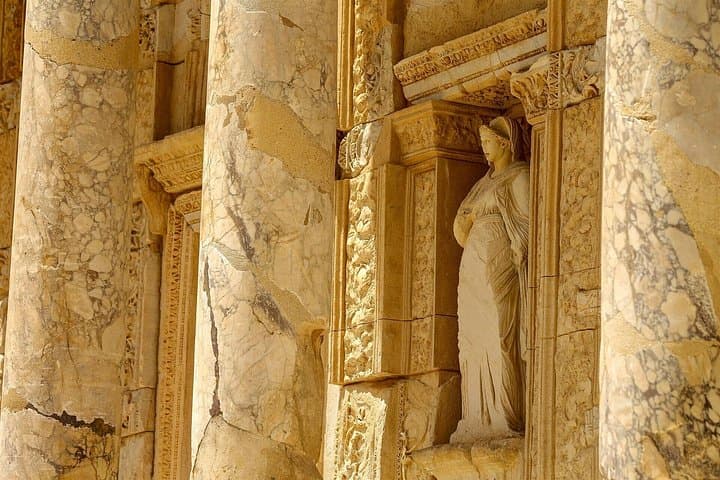
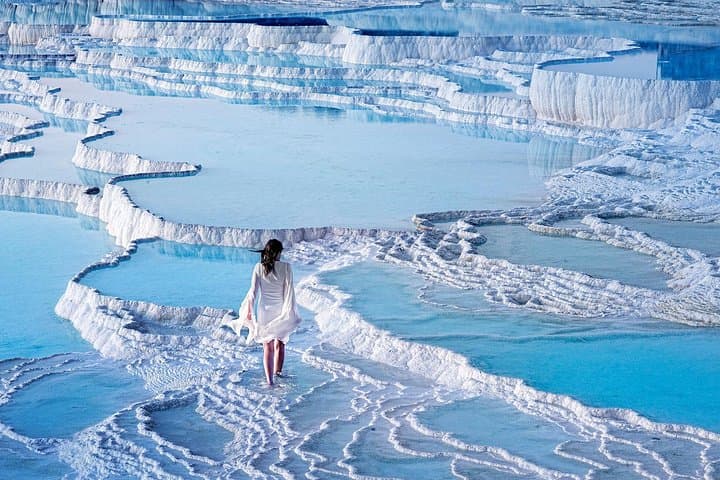
Morning light strips the terraces of Pamukkale into clean, white steps. You can feel the heat underfoot and the mineral-laden steam rising off thermal pools as the group fans out, cameras clicking. Later the landscape tilts—marble columns of Ephesus casting long shadows across a once-bustling boulevard—and by sunset you’re in Cappadocia, where balloons stitch the sky with color and tuff rock wears the traces of human hands.
Verified experiences and guided adventures in the surrounding area.
Operated by Turkey Experiences · Kusadasi, Aydin
Morning light strips the terraces of Pamukkale into clean, white steps. You can feel the heat underfoot and the mineral-laden steam rising off thermal pools as the group fans out, cameras clicking. Later the landscape tilts—marble columns of Ephesus casting long shadows across a once-bustling boulevard—and by sunset you’re in Cappadocia, where balloons stitch the sky with color and tuff rock wears the traces of human hands.
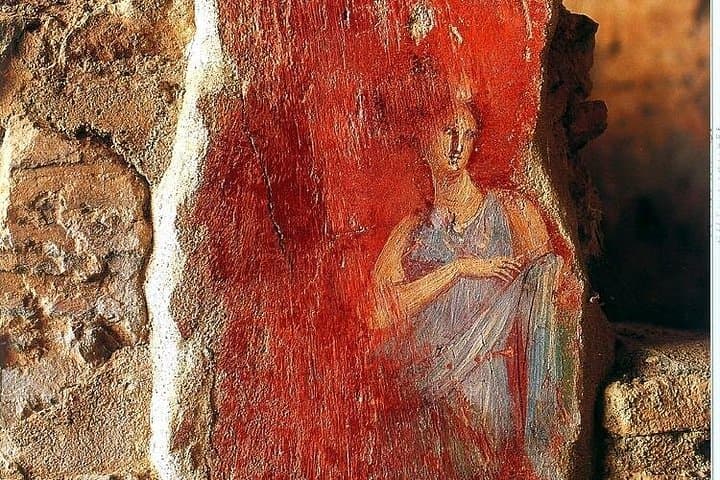
This 5-day circuit stitches three of western Turkey’s most arresting sites: Pamukkale’s calcite terraces and the adjoining necropolis of Hierapolis, the Roman metropolis of Ephesus with its marble façades, and the lunar valleys and cave churches of Cappadocia. Geology and empire overlap here. Pamukkale’s “cotton castle” is a degassing, calcifying around hot springs—calcium carbonate deposits build terraces over millennia—while Ephesus sits where the Aegean met classical trade routes, its Celsus Library and theater speaking to the city’s imperial wealth. Cappadocia’s surreal cones and chimneys are volcanic ash hardened into tuff, later carved by humans into homes, churches, and underground refuges.
Culture is tactile: you’ll taste Testi Kebab in Avanos, watch potters press red-silt clay from the Kızılırmak, and see rug co-ops sustaining centuries-old weaving techniques. Guides licensed by the Ministry of Culture & Tourism thread local stories with archaeology—how Hierapolis’ baths were therapeutic destinations in Roman times, or how Ephesus ranked among the Seven Churches of Revelation.
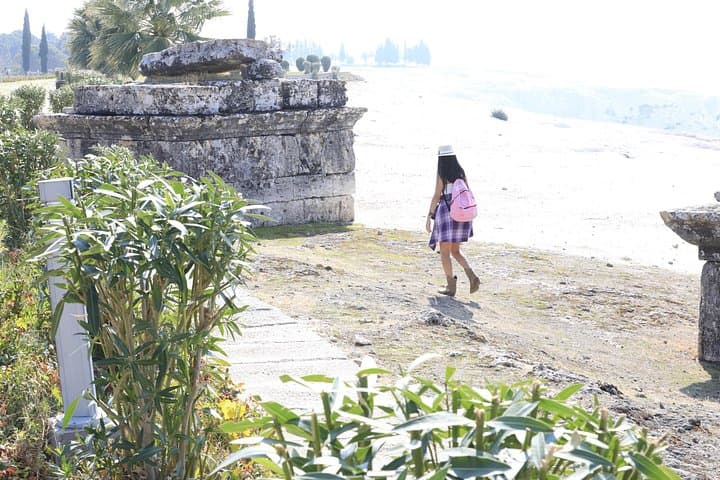
Practical side: the tour moves fast—domestic flights link Istanbul, Denizli, Izmir, and Cappadocia while coaches handle inter-site transfers. Expect daily walking of one to three hours across uneven stone, loose gravel, and soft travertine; some sections of Pamukkale require bare feet to protect the fragile deposits. Accommodation is three nights’ hotel-based, centrally located in Kusadasi for Aegean nights and Cappadocia for the highland finale.
For photographers and planners: sunrise balloon flights are optional but define Cappadocia mornings; early arrival at Pamukkale avoids the crowds and strongest sunlight; bring a compact daypack, layered clothing for cool mornings and hot afternoons, and cash for small vendors and optional entrances like Cleopatra’s Antique Pool. Health notes are explicit—this itinerary requires moderate fitness and is not recommended for people with back or heart conditions.
The payoff is constant: steaming, otherworldly terraces; a marble street threaded with carved reliefs and the ghost of a busy port; a valley of chimneys where human habitation reads like geology’s margin notes. This is a trip where natural processes and human stories intersect on a scale that’s both dramatic and very walkable—if you come prepared.
Balloon flights are available as an add-on for most packages; some options include it—check your selected booking package and reserve early due to strong demand.
No—certain terraces require visitors to remove shoes to prevent damage; follow park signage and guide instructions.
The tour includes breakfasts and several lunches as noted in the itinerary; dinners are generally on your own unless specified by your package choice.
Children can join but supervision is required around pools and cliffs; the itinerary involves walking and stairs, so it may be challenging for travelers with mobility or serious health issues.
Turkish lira is standard; tipping guides and drivers (5–10% or small amounts per service) is customary and appreciated.
Expect 1–3 hours of guided walking daily across archaeological sites and nature viewpoints, with transfers by bus and short drives between stops.
Turkey Experiences operates guided outdoor trips and adventures with an emphasis on safety, stewardship, and memorable experiences.
Morning light strips the terraces of Pamukkale into clean, white steps. You can feel the heat underfoot and the mineral-laden steam rising off thermal pools as the group fans out, cameras clicking. Later the landscape tilts—marble columns of Ephesus casting long shadows across a once-bustling boulevard—and by sunset you’re in Cappadocia, where balloons stitch the sky with color and tuff rock wears the traces of human hands.
Morning light strips the terraces of Pamukkale into clean, white steps. You can feel the heat underfoot and the mineral-laden steam rising off thermal pools as the group fans out, cameras clicking. Later the landscape tilts—marble columns of Ephesus casting long shadows across a once-bustling boulevard—and by sunset you’re in Cappadocia, where balloons stitch the sky with color and tuff rock wears the traces of human hands.
This 5-day circuit stitches three of western Turkey’s most arresting sites: Pamukkale’s calcite terraces and the adjoining necropolis of Hierapolis, the Roman metropolis of Ephesus with its marble façades, and the lunar valleys and cave churches of Cappadocia. Geology and empire overlap here. Pamukkale’s “cotton castle” is a degassing, calcifying around hot springs—calcium carbonate deposits build terraces over millennia—while Ephesus sits where the Aegean met classical trade routes, its Celsus Library and theater speaking to the city’s imperial wealth. Cappadocia’s surreal cones and chimneys are volcanic ash hardened into tuff, later carved by humans into homes, churches, and underground refuges.
Culture is tactile: you’ll taste Testi Kebab in Avanos, watch potters press red-silt clay from the Kızılırmak, and see rug co-ops sustaining centuries-old weaving techniques. Guides licensed by the Ministry of Culture & Tourism thread local stories with archaeology—how Hierapolis’ baths were therapeutic destinations in Roman times, or how Ephesus ranked among the Seven Churches of Revelation.
Practical side: the tour moves fast—domestic flights link Istanbul, Denizli, Izmir, and Cappadocia while coaches handle inter-site transfers. Expect daily walking of one to three hours across uneven stone, loose gravel, and soft travertine; some sections of Pamukkale require bare feet to protect the fragile deposits. Accommodation is three nights’ hotel-based, centrally located in Kusadasi for Aegean nights and Cappadocia for the highland finale.
For photographers and planners: sunrise balloon flights are optional but define Cappadocia mornings; early arrival at Pamukkale avoids the crowds and strongest sunlight; bring a compact daypack, layered clothing for cool mornings and hot afternoons, and cash for small vendors and optional entrances like Cleopatra’s Antique Pool. Health notes are explicit—this itinerary requires moderate fitness and is not recommended for people with back or heart conditions.
The payoff is constant: steaming, otherworldly terraces; a marble street threaded with carved reliefs and the ghost of a busy port; a valley of chimneys where human habitation reads like geology’s margin notes. This is a trip where natural processes and human stories intersect on a scale that’s both dramatic and very walkable—if you come prepared.