THE ADVENTURE COLLECTIVE® · Independent discovery and booking for outdoor travel

Take a 30‑minute private flight above Saint‑Émilion and Pomerol to see famous châteaux, river meanders and vineyard soils that shape Bordeaux’s finest wines. Ideal for photographers and wine lovers seeking a quick, high‑impact view of Aquitaine’s wine country.
Take a 30‑minute private flight above Saint‑Émilion and Pomerol to see famous châteaux, river meanders and vineyard soils that shape Bordeaux’s finest wines. Ideal for photographers and wine lovers seeking a quick, high‑impact view of Aquitaine’s wine country.
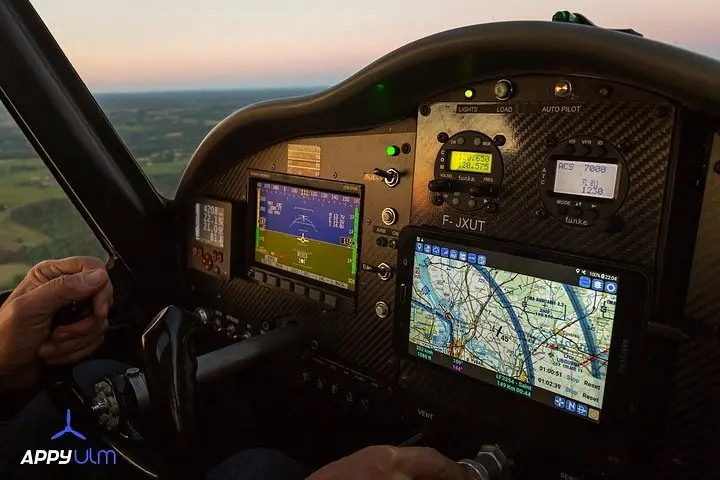
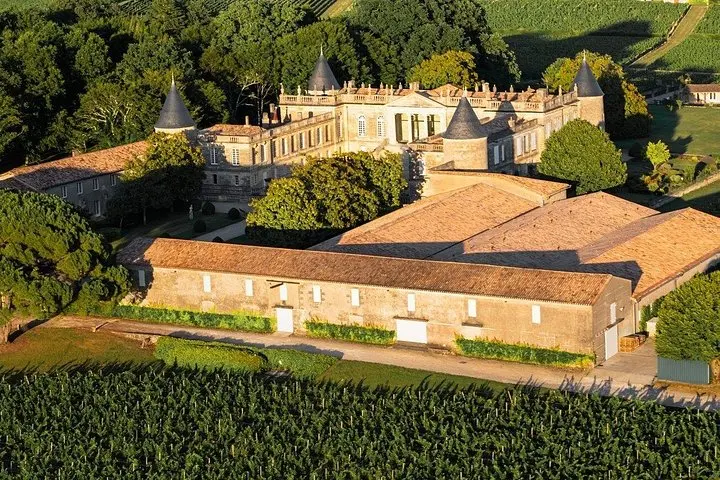
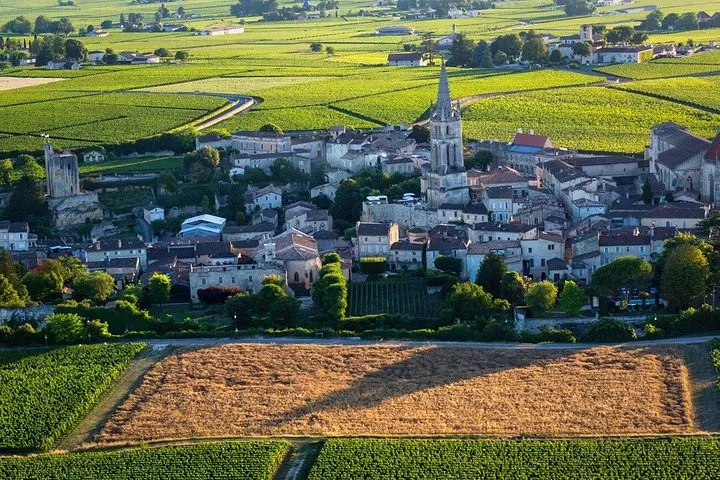
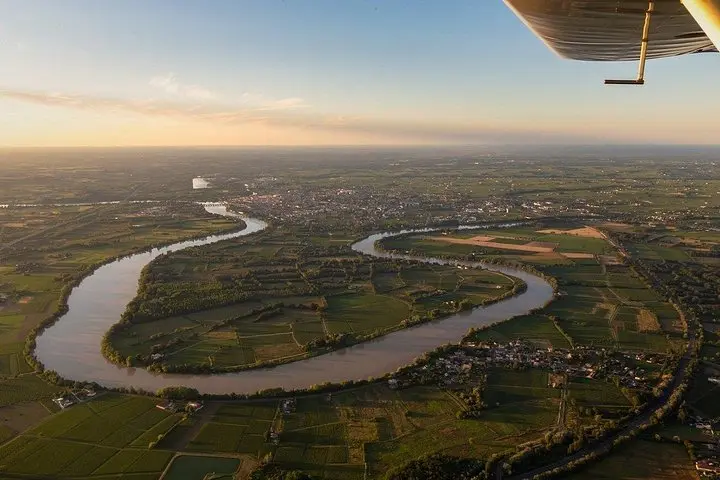
You lift off from the Libourne airfield and the landscape rearranges itself beneath you—neat rows of vines become patchwork, limestone outcrops catch the light, and the Dordogne river dares you to follow its wide meanders. The castles—Château Pavie, Château St Georges, the low-profile plots of Pomerol—unfurl like map labels as the pilot guides a steady, 30‑minute panoramic loop.
Verified experiences and guided adventures in the surrounding area.
Operated by APPY ULM · Libourne, Gironde
You lift off from the Libourne airfield and the landscape rearranges itself beneath you—neat rows of vines become patchwork, limestone outcrops catch the light, and the Dordogne river dares you to follow its wide meanders. The castles—Château Pavie, Château St Georges, the low-profile plots of Pomerol—unfurl like map labels as the pilot guides a steady, 30‑minute panoramic loop.
This stretch of Gironde carries a long viticultural history: Saint‑Émilion’s terraces date back to Roman plantings and the village grew around medieval trade and monastic cellars. Geologically, the area sits on limestone and clay soils that give Saint‑Émilion and Pomerol their distinct characters—chalky plateaus and heavier clay pockets that winemakers read like weather.
From the air you see culture in lines: dry stone walls, isolated chartreuse farmhouses and narrow lanes connecting tiny hamlets. Birds cut the same corridors the pilots trace; river currents push light across baroque château roofs.
Practical guidance: the flight is private, 30 minutes, and suitable for most fitness levels, but weight and health limits apply—check booking requirements. Weather cancels flights; mornings often offer calmer air and clearer light for photography. Bring a small window bag for a camera, layered clothing for wind and altitude chill, and consider motion‑sickness remedies if you’re sensitive.
Post‑flight, allow time to walk Saint‑Émilion’s stone streets, visit an underground church, or taste at a cooperative château—the aerial view clarifies why these slopes have been farmed for centuries.
The tour is a fixed 30‑minute private flight covering Saint‑Émilion, Pomerol and the Dordogne meanders.
Bookings require passenger height, weight and full names; people with serious heart conditions are not recommended to fly.
Flights are cancelled in poor weather for safety; the operator offers a full refund if cancelled at least 24 hours before departure or will reschedule when possible.
Tastings are not included; however, most travelers combine the flight with ground visits to Saint‑Émilion or nearby châteaux for tastings afterwards.
APPY ULM operates guided outdoor trips and adventures with an emphasis on safety, stewardship, and memorable experiences.
You lift off from the Libourne airfield and the landscape rearranges itself beneath you—neat rows of vines become patchwork, limestone outcrops catch the light, and the Dordogne river dares you to follow its wide meanders. The castles—Château Pavie, Château St Georges, the low-profile plots of Pomerol—unfurl like map labels as the pilot guides a steady, 30‑minute panoramic loop.
You lift off from the Libourne airfield and the landscape rearranges itself beneath you—neat rows of vines become patchwork, limestone outcrops catch the light, and the Dordogne river dares you to follow its wide meanders. The castles—Château Pavie, Château St Georges, the low-profile plots of Pomerol—unfurl like map labels as the pilot guides a steady, 30‑minute panoramic loop.
This stretch of Gironde carries a long viticultural history: Saint‑Émilion’s terraces date back to Roman plantings and the village grew around medieval trade and monastic cellars. Geologically, the area sits on limestone and clay soils that give Saint‑Émilion and Pomerol their distinct characters—chalky plateaus and heavier clay pockets that winemakers read like weather.
From the air you see culture in lines: dry stone walls, isolated chartreuse farmhouses and narrow lanes connecting tiny hamlets. Birds cut the same corridors the pilots trace; river currents push light across baroque château roofs.
Practical guidance: the flight is private, 30 minutes, and suitable for most fitness levels, but weight and health limits apply—check booking requirements. Weather cancels flights; mornings often offer calmer air and clearer light for photography. Bring a small window bag for a camera, layered clothing for wind and altitude chill, and consider motion‑sickness remedies if you’re sensitive.
Post‑flight, allow time to walk Saint‑Émilion’s stone streets, visit an underground church, or taste at a cooperative château—the aerial view clarifies why these slopes have been farmed for centuries.