THE ADVENTURE COLLECTIVE® · Independent discovery and booking for outdoor travel

Walk into Afareaitu and you trade the island’s coastal breeze for a humid corridor of fruit trees, ancient stones and rushing water. This half-day guided hike on Moorea combines easy cultural archaeology, a botanic primer and a refreshing waterfall swim.
Walk into Afareaitu and you trade the island’s coastal breeze for a humid corridor of fruit trees, ancient stones and rushing water. This half-day guided hike on Moorea combines easy cultural archaeology, a botanic primer and a refreshing waterfall swim.
You step off the minivan and feel the island change: the roadside hum softens, the air gets thick with citrus and gardenia, and a narrow trail slips into green. The guide points up the valley—Afareaitu, the Tahitian name that means "valley of gods and kings"—and the group begins a climb across stony steps, past terraces and the mossy ruins of ancient marae. The sound of water is a distant promise, then a drum: the river carving the valley, daring you forward.
Verified experiences and guided adventures in the surrounding area.
Operated by Moorea Vip Tours · Afareaitu, Society Islands
You step off the minivan and feel the island change: the roadside hum softens, the air gets thick with citrus and gardenia, and a narrow trail slips into green. The guide points up the valley—Afareaitu, the Tahitian name that means "valley of gods and kings"—and the group begins a climb across stony steps, past terraces and the mossy ruins of ancient marae. The sound of water is a distant promise, then a drum: the river carving the valley, daring you forward.
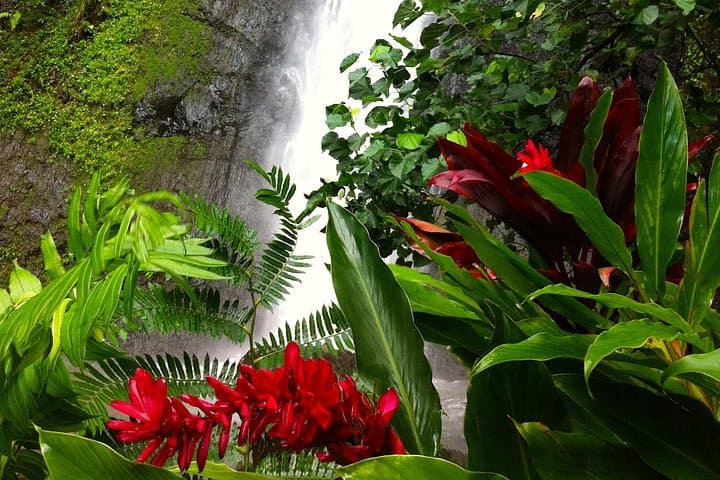
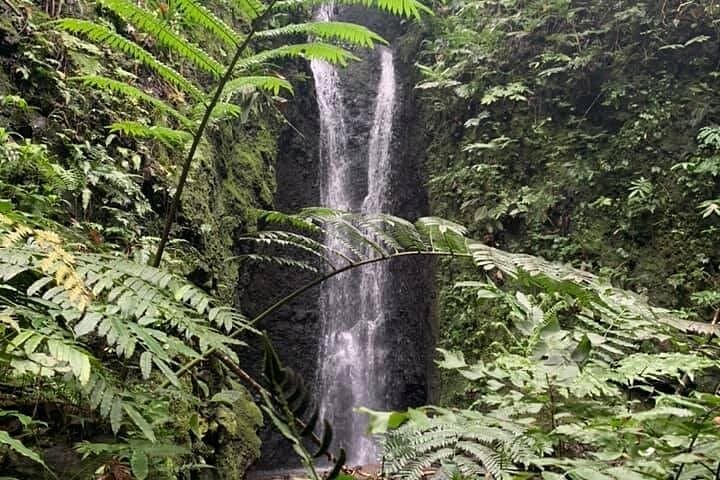
This half-day hike threads together botany, culture and geology. Moorea’s volcanic bones—dark basalt and volcanic ash—were sculpted by tropical rains into deep gullies and natural basins. Over centuries Polynesians established agricultural terraces and sacred platforms here; your guide stops at those stone remains and delivers legends about chiefs and gods, linking plant names to traditional uses. Tree ferns, breadfruit, banana, and countless flowering shrubs create the shaded corridor that leads to river pools and the fall itself: an elegant drop into a broad plunge pool where bright leaves rim the water like a frame.
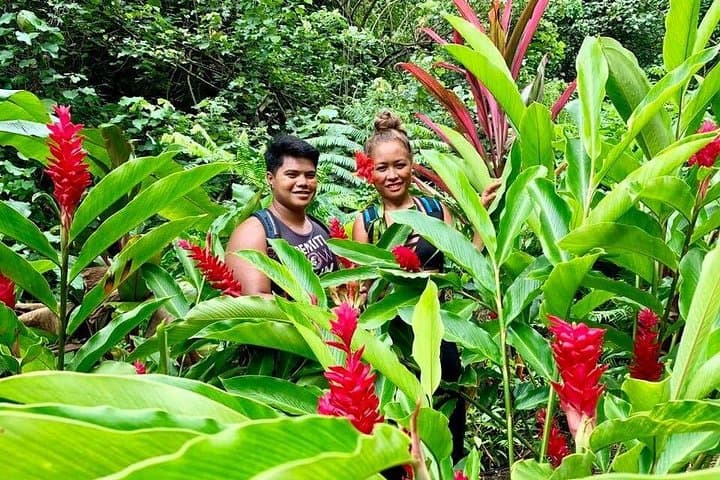
The experience is small-group and local: guides are born storytellers and practical hosts, pointing out medicinal plants, where seabirds nest, and how freshwater veins shaped settlement patterns. After the swim and waterfall time, the hike finishes in a private tropical garden by the river for a tasting of fresh fruits—pineapple, mango, papaya—served with relaxed conversation and the constant presence of the valley.
Practicals: the tour runs roughly five hours and covers a stony, uneven trail with short ups and downs; providers list it as a medium-level hike. Trails can be slick after rain and parts are narrow, so solid hiking shoes are recommended. Bring a swimsuit for the natural pools, a light rain shell, insect repellent, sun protection and at least 1.5 liters of water. The group size is small (max ~15) which keeps the pace social but steady; guides handle logistics including transport from nearby hotels.
Timing and etiquette matter here—arrive early, listen to the guide about sacred sites, and avoid removing plant material. The valley is both an ecological niche and a living cultural landscape: tread lightly and you’ll leave with a clearer sense of Moorea’s geology, the endurance of Polynesian landscape management, and one terrific waterfall swim.
The tour is approximately five hours with a steady, moderate pace and several stops for interpretation, swimming and a fruit tasting.
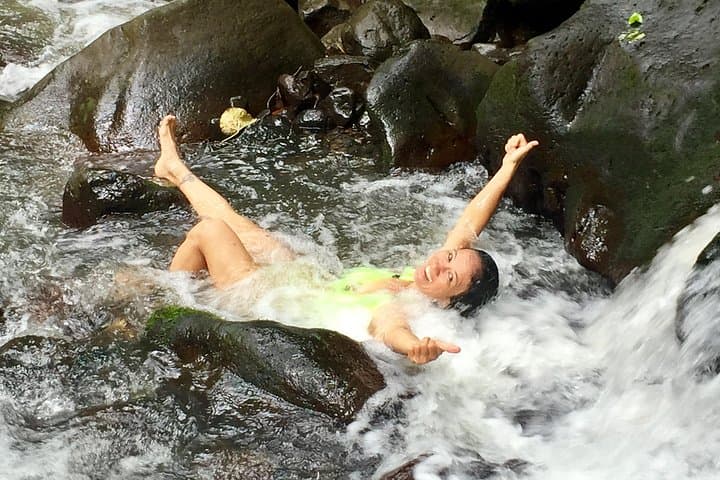
Yes—guides permit swimming in the natural plunge pool when conditions are safe; wear a swimsuit and be cautious on slippery rocks.
Children under 4 are not permitted; older children must be able to handle uneven terrain and brief climbs.
No—the fruit tasting and all fees and taxes are included, but tipping the guide is customary if you enjoyed the experience.
Yes—operators may cancel for heavy rain or unsafe trail conditions; full refunds are available if cancelled more than 24 hours prior.
Yes—pickup from many Moorea hotels, the ferry port and the airport is offered; confirm pickup details when booking.
Moorea Vip Tours operates guided outdoor trips and adventures with an emphasis on safety, stewardship, and memorable experiences.
You step off the minivan and feel the island change: the roadside hum softens, the air gets thick with citrus and gardenia, and a narrow trail slips into green. The guide points up the valley—Afareaitu, the Tahitian name that means "valley of gods and kings"—and the group begins a climb across stony steps, past terraces and the mossy ruins of ancient marae. The sound of water is a distant promise, then a drum: the river carving the valley, daring you forward.
You step off the minivan and feel the island change: the roadside hum softens, the air gets thick with citrus and gardenia, and a narrow trail slips into green. The guide points up the valley—Afareaitu, the Tahitian name that means "valley of gods and kings"—and the group begins a climb across stony steps, past terraces and the mossy ruins of ancient marae. The sound of water is a distant promise, then a drum: the river carving the valley, daring you forward.
This half-day hike threads together botany, culture and geology. Moorea’s volcanic bones—dark basalt and volcanic ash—were sculpted by tropical rains into deep gullies and natural basins. Over centuries Polynesians established agricultural terraces and sacred platforms here; your guide stops at those stone remains and delivers legends about chiefs and gods, linking plant names to traditional uses. Tree ferns, breadfruit, banana, and countless flowering shrubs create the shaded corridor that leads to river pools and the fall itself: an elegant drop into a broad plunge pool where bright leaves rim the water like a frame.
The experience is small-group and local: guides are born storytellers and practical hosts, pointing out medicinal plants, where seabirds nest, and how freshwater veins shaped settlement patterns. After the swim and waterfall time, the hike finishes in a private tropical garden by the river for a tasting of fresh fruits—pineapple, mango, papaya—served with relaxed conversation and the constant presence of the valley.
Practicals: the tour runs roughly five hours and covers a stony, uneven trail with short ups and downs; providers list it as a medium-level hike. Trails can be slick after rain and parts are narrow, so solid hiking shoes are recommended. Bring a swimsuit for the natural pools, a light rain shell, insect repellent, sun protection and at least 1.5 liters of water. The group size is small (max ~15) which keeps the pace social but steady; guides handle logistics including transport from nearby hotels.
Timing and etiquette matter here—arrive early, listen to the guide about sacred sites, and avoid removing plant material. The valley is both an ecological niche and a living cultural landscape: tread lightly and you’ll leave with a clearer sense of Moorea’s geology, the endurance of Polynesian landscape management, and one terrific waterfall swim.