THE ADVENTURE COLLECTIVE® · Independent discovery and booking for outdoor travel

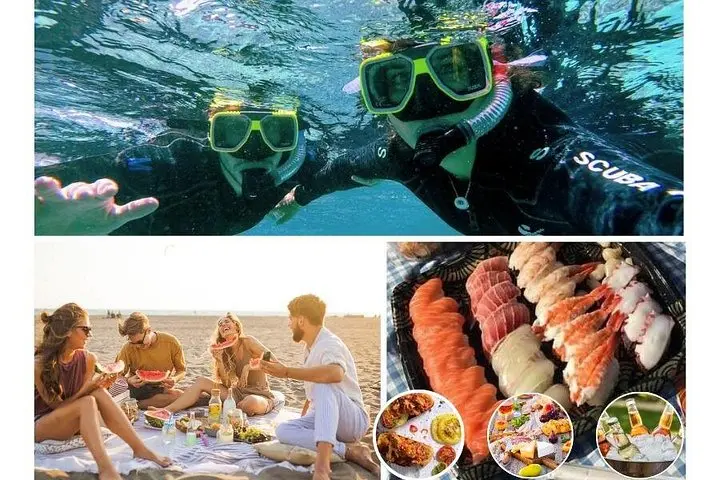
Glide through the African Sea Forest off False Bay, then dry off to a fisherman-style sushi picnic using locally sourced seafood. This guided snorkel pairs marine wildlife viewing with Cape coastal cuisine for a single, immersive half-day.
Glide through the African Sea Forest off False Bay, then dry off to a fisherman-style sushi picnic using locally sourced seafood. This guided snorkel pairs marine wildlife viewing with Cape coastal cuisine for a single, immersive half-day.
A morning in False Bay begins with a low-angled sun cutting across slate water as a small cruiser slips past colourful harbours toward a fringe of kelp. Guests step aboard, the harbour receding into a coastline of weathered granite and scrub, then the boat slows and the guide points to drifting brown fronds: the African Sea Forest — a living, vertical garden beneath the waves.
Verified experiences and guided adventures in the surrounding area.
Operated by Shamier - The MountainHeart Guide · Cape Town, Western Cape
A morning in False Bay begins with a low-angled sun cutting across slate water as a small cruiser slips past colourful harbours toward a fringe of kelp. Guests step aboard, the harbour receding into a coastline of weathered granite and scrub, then the boat slows and the guide points to drifting brown fronds: the African Sea Forest — a living, vertical garden beneath the waves.
Geologically, False Bay is shaped by Cape granite and steep headlands that funnel cold, nutrient-rich currents into sheltered inlets. That upwelling feeds dense kelp forests that host Cape fur seals, octopus, and small sharks — a marine ecosystem long tied to local fishing communities. Cultural threads run through the shore: Cape Malay and traditional fisherman techniques appear in simple salt-smoked fish, bokkoms, and the communal sharing of the sea’s catch.
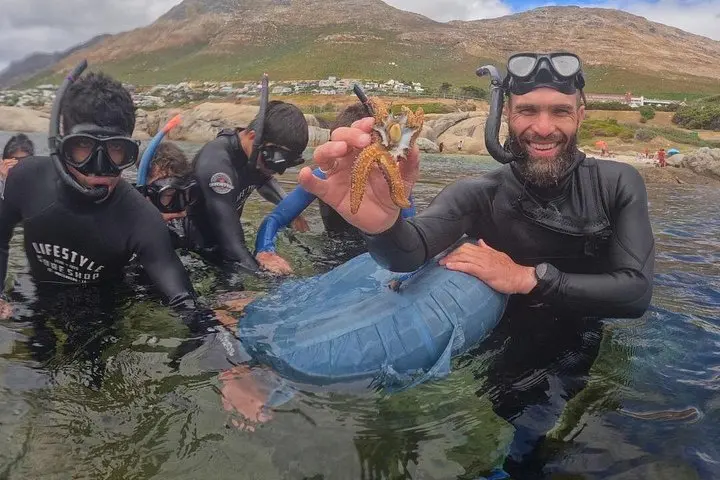
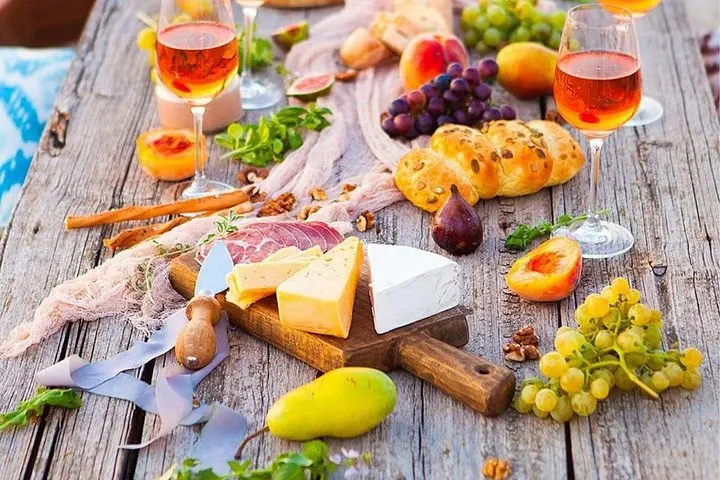
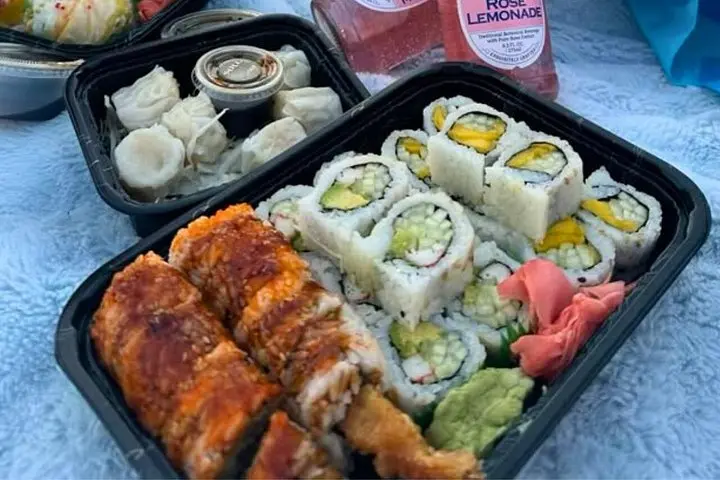
The experience pairs a guided snorkel among kelp and reef with a curated fisherman-style sushi picnic on a quiet beach. Expect clear briefings, shallow reefs with good visibility in calm conditions, and curious wildlife that approaches on its terms. After surfacing, a tasting of kelp-infused rolls, smoked fish maki, and local preserves frames the ecology with culinary history.
Practical guidance: bring reef-safe sunscreen, a hooded top for post-snorkel chill, and a basic swimming comfort level; the operator supplies masks, snorkels, and guidance. Timing the trip for late morning reduces wind and improves visibility. Respect wildlife distances and follow the guide’s directions — it keeps the kelp forest healthy and encounters memorable.
No advanced skill is needed, but you should be comfortable in the water and able to swim short distances; guides stay nearby and provide flotation as needed.
Yes — masks, snorkels, and fins are provided and sanitized; you may bring personal gear if you prefer.
Common sightings include Cape fur seals, small reef fishes, octopus, and pajama (cat) sharks; sightings depend on season and sea conditions.
The picnic uses local seafood and traditional items; inform the operator of allergies or dietary needs at booking and they will adapt where possible.
Shamier - The MountainHeart Guide operates guided outdoor trips and adventures with an emphasis on safety, stewardship, and memorable experiences.
A morning in False Bay begins with a low-angled sun cutting across slate water as a small cruiser slips past colourful harbours toward a fringe of kelp. Guests step aboard, the harbour receding into a coastline of weathered granite and scrub, then the boat slows and the guide points to drifting brown fronds: the African Sea Forest — a living, vertical garden beneath the waves.
A morning in False Bay begins with a low-angled sun cutting across slate water as a small cruiser slips past colourful harbours toward a fringe of kelp. Guests step aboard, the harbour receding into a coastline of weathered granite and scrub, then the boat slows and the guide points to drifting brown fronds: the African Sea Forest — a living, vertical garden beneath the waves.
Geologically, False Bay is shaped by Cape granite and steep headlands that funnel cold, nutrient-rich currents into sheltered inlets. That upwelling feeds dense kelp forests that host Cape fur seals, octopus, and small sharks — a marine ecosystem long tied to local fishing communities. Cultural threads run through the shore: Cape Malay and traditional fisherman techniques appear in simple salt-smoked fish, bokkoms, and the communal sharing of the sea’s catch.
The experience pairs a guided snorkel among kelp and reef with a curated fisherman-style sushi picnic on a quiet beach. Expect clear briefings, shallow reefs with good visibility in calm conditions, and curious wildlife that approaches on its terms. After surfacing, a tasting of kelp-infused rolls, smoked fish maki, and local preserves frames the ecology with culinary history.
Practical guidance: bring reef-safe sunscreen, a hooded top for post-snorkel chill, and a basic swimming comfort level; the operator supplies masks, snorkels, and guidance. Timing the trip for late morning reduces wind and improves visibility. Respect wildlife distances and follow the guide’s directions — it keeps the kelp forest healthy and encounters memorable.