THE ADVENTURE COLLECTIVE® · Independent discovery and booking for outdoor travel

Walk the streets where samba and resistance intersect: a four-hour cultural tour from the port’s UNESCO docks to the live rodas at Pedra do Sal. Learn abolition-era history, taste Afro-Brazilian flavors, and end where the city still keeps the beat.
Walk the streets where samba and resistance intersect: a four-hour cultural tour from the port’s UNESCO docks to the live rodas at Pedra do Sal. Learn abolition-era history, taste Afro-Brazilian flavors, and end where the city still keeps the beat.
You step off Avenida Rio Branco and the city’s rhythm shifts: salt and diesel mix with percussion echoing from a narrow street where elders nod and drums tap an old tempo. The guide leads a compact group past modern museums and into the blocks that hold stories of forced migration, endurance and music — the walk funnels down toward Pedra do Sal, the outcrop where samba found a voice.
Verified experiences and guided adventures in the surrounding area.
Operated by Rio by Foot - Tours · Rio de Janeiro, Rio de Janeiro
You step off Avenida Rio Branco and the city’s rhythm shifts: salt and diesel mix with percussion echoing from a narrow street where elders nod and drums tap an old tempo. The guide leads a compact group past modern museums and into the blocks that hold stories of forced migration, endurance and music — the walk funnels down toward Pedra do Sal, the outcrop where samba found a voice.
This four-hour walk threads history and place. Along the port you pass the World Heritage docks of Cais do Valongo, a 19th-century landing point for enslaved Africans. The geology changes too: coastal silt gives way to the exposed granite of the Pedra, a small rock that became a gathering point. Culture here is visceral — food stalls steaming feijoada, roda de samba breaking into call-and-response, and a surviving network of 'Little Africa' streets where neighborhoods kept language, prayer and rhythm alive.
Expect a mix of paved boulevards and tight, uneven lanes; there’s an included visit to a samba school with admission, and plenty of stops for story and song. Practicalities matter: wear sturdy walking shoes for cobbles, bring sun protection and water, and carry ID — a valid passport is required for booking. The tour is wheelchair accessible in parts, but ask about specific transfer routes ahead of time. Time your visit for a Monday or Friday night if you want to experience the live street parties; otherwise mid-morning tours give clearer historical context and cooler temperatures.
The tour lasts about four hours and moves from the port and Olympic Boulevard through ‘Little Africa’ to Pedra do Sal, including a stop at a samba school with admission.
The tour notes wheelchair accessibility for parts of the route, but some narrow lanes and cobbles may require alternate paths — contact the operator before booking to discuss needs.
Tours often finish near Pedra do Sal where live rodas happen on Mondays and Fridays; other days may include a scheduled visit to a samba school with a performance.
Guides are typically local and will focus on Afro-Brazilian history and culture; language options depend on the operator — check booking details for availability.
Rio by Foot - Tours operates guided outdoor trips and adventures with an emphasis on safety, stewardship, and memorable experiences.
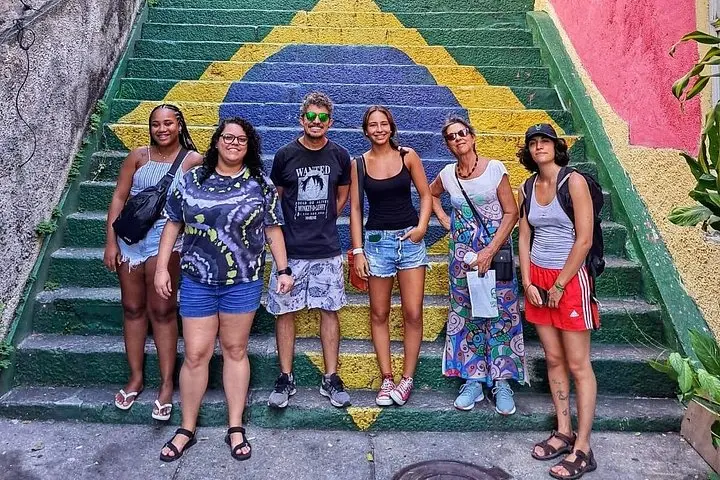
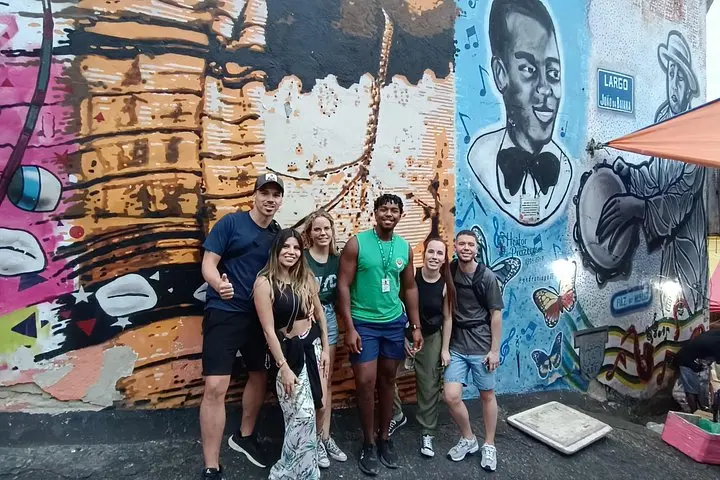
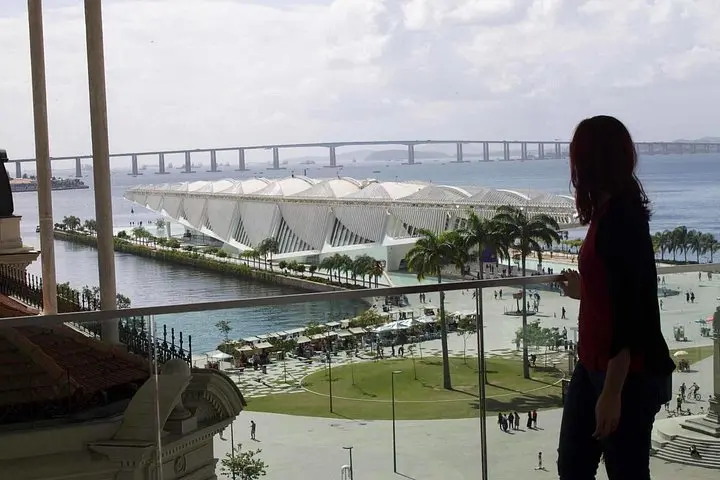
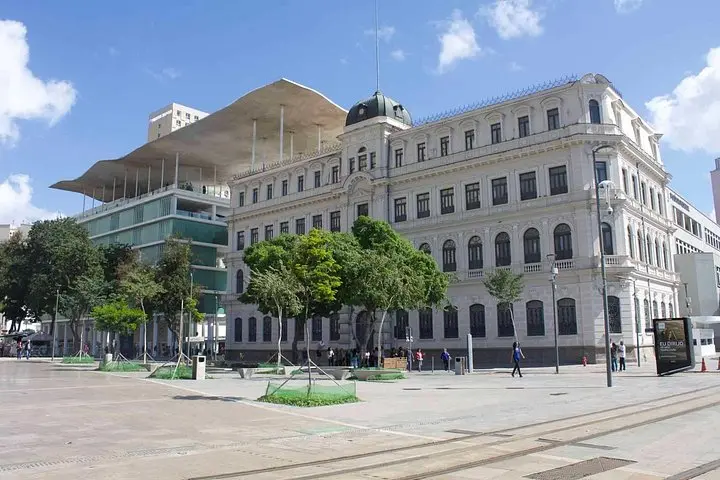
You step off Avenida Rio Branco and the city’s rhythm shifts: salt and diesel mix with percussion echoing from a narrow street where elders nod and drums tap an old tempo. The guide leads a compact group past modern museums and into the blocks that hold stories of forced migration, endurance and music — the walk funnels down toward Pedra do Sal, the outcrop where samba found a voice.
You step off Avenida Rio Branco and the city’s rhythm shifts: salt and diesel mix with percussion echoing from a narrow street where elders nod and drums tap an old tempo. The guide leads a compact group past modern museums and into the blocks that hold stories of forced migration, endurance and music — the walk funnels down toward Pedra do Sal, the outcrop where samba found a voice.
This four-hour walk threads history and place. Along the port you pass the World Heritage docks of Cais do Valongo, a 19th-century landing point for enslaved Africans. The geology changes too: coastal silt gives way to the exposed granite of the Pedra, a small rock that became a gathering point. Culture here is visceral — food stalls steaming feijoada, roda de samba breaking into call-and-response, and a surviving network of 'Little Africa' streets where neighborhoods kept language, prayer and rhythm alive.
Expect a mix of paved boulevards and tight, uneven lanes; there’s an included visit to a samba school with admission, and plenty of stops for story and song. Practicalities matter: wear sturdy walking shoes for cobbles, bring sun protection and water, and carry ID — a valid passport is required for booking. The tour is wheelchair accessible in parts, but ask about specific transfer routes ahead of time. Time your visit for a Monday or Friday night if you want to experience the live street parties; otherwise mid-morning tours give clearer historical context and cooler temperatures.