THE ADVENTURE COLLECTIVE® · Independent discovery and booking for outdoor travel
Spend an afternoon with a pro photographer exploring Brisbane on foot while mastering manual camera settings and composition. This guided 2.5-hour course turns city streets and river views into a practical classroom for beginners and hobbyists.
Spend an afternoon with a pro photographer exploring Brisbane on foot while mastering manual camera settings and composition. This guided 2.5-hour course turns city streets and river views into a practical classroom for beginners and hobbyists.
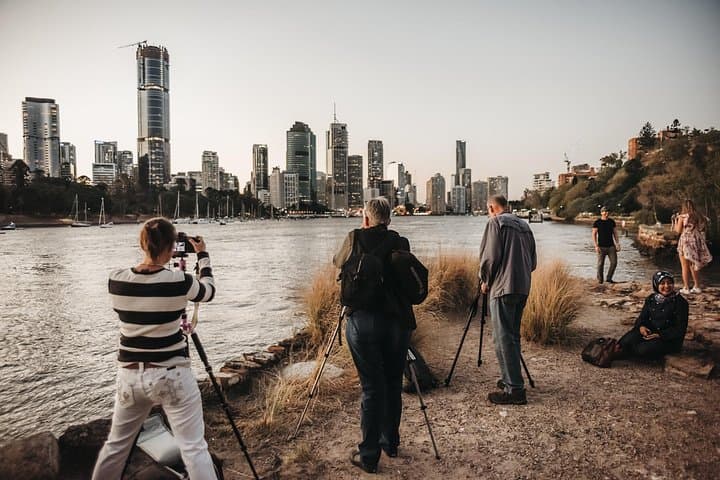
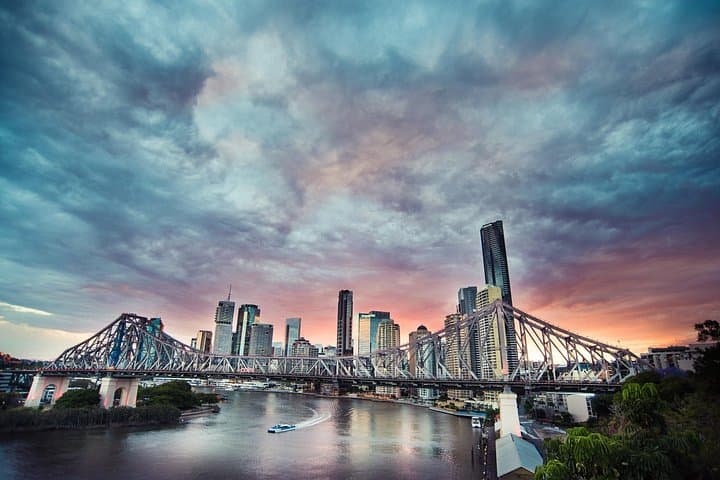
Late afternoon in Brisbane the light tilts low across the Brisbane River, and the city’s edges throw long shadows that teach you about exposure before the tutor opens their mouth.
Verified experiences and guided adventures in the surrounding area.
Operated by Alfonso Calero Photography · Brisbane, Queensland
Late afternoon in Brisbane the light tilts low across the Brisbane River, and the city’s edges throw long shadows that teach you about exposure before the tutor opens their mouth.
This two-and-a-half-hour walking course positions a professional photographer at your shoulder, turning laneways, riverbanks and cliff-top viewpoints into a classroom. You’ll work in manual mode, practice compositional rules, and learn how to read urban light — from reflective glass to shaded fig trees. Brisbane’s geography — a river loop cut through red-soiled floodplains on the eastern coast — creates a variety of backdrops within short walks: river panoramas, sandstone cliffs at Kangaroo Point, and the leafy pockets of Roma Street Parkland.
Culturally, the city sits on the lands of the Turrbal and Jagera peoples; guides often point out sites of local significance and the evolving riverfront architecture that charts Brisbane’s growth since colonial days.
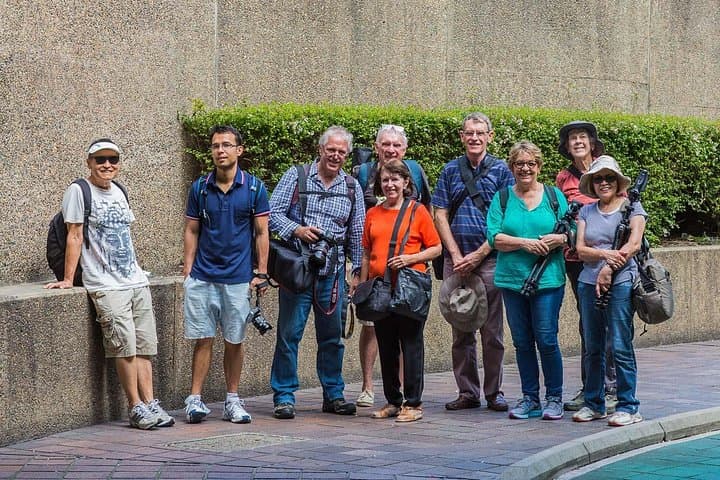
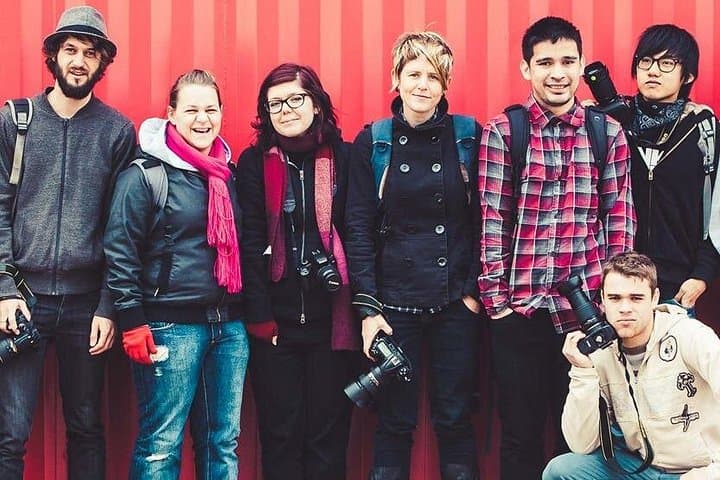
Plan to walk 2–3 hours over mostly flat paved surfaces with a few stair sections. Bring your own camera with manual controls and at least one spare battery or memory card. A compact tripod or monopod will improve low-light shots as dusk falls. Expect small group instruction (up to ten people), hands-on feedback, and immediate playback critique.
Timing is everything: aim for a session that begins mid-afternoon to catch golden-hour transitions. Stay hydrated, wear comfortable walking shoes, and charge your gear — the city offers immediate rewards for photographers who move with the light.
Yes — the course focuses on using a digital camera in manual modes; smartphones are not the primary teaching tool.
Shared tours cap at around 10 participants to keep instruction personal and hands-on.
The tour’s cancellation policy allows refunds if cancelled at least 24 hours before; organizers may cancel if minimum participant numbers aren’t met.
Meeting points vary by operator but are typically central Brisbane riverfront or CBD locations; confirm exact meeting details on booking.
Alfonso Calero Photography operates guided outdoor trips and adventures with an emphasis on safety, stewardship, and memorable experiences.
Late afternoon in Brisbane the light tilts low across the Brisbane River, and the city’s edges throw long shadows that teach you about exposure before the tutor opens their mouth.
Late afternoon in Brisbane the light tilts low across the Brisbane River, and the city’s edges throw long shadows that teach you about exposure before the tutor opens their mouth.
This two-and-a-half-hour walking course positions a professional photographer at your shoulder, turning laneways, riverbanks and cliff-top viewpoints into a classroom. You’ll work in manual mode, practice compositional rules, and learn how to read urban light — from reflective glass to shaded fig trees. Brisbane’s geography — a river loop cut through red-soiled floodplains on the eastern coast — creates a variety of backdrops within short walks: river panoramas, sandstone cliffs at Kangaroo Point, and the leafy pockets of Roma Street Parkland.
Culturally, the city sits on the lands of the Turrbal and Jagera peoples; guides often point out sites of local significance and the evolving riverfront architecture that charts Brisbane’s growth since colonial days.
Plan to walk 2–3 hours over mostly flat paved surfaces with a few stair sections. Bring your own camera with manual controls and at least one spare battery or memory card. A compact tripod or monopod will improve low-light shots as dusk falls. Expect small group instruction (up to ten people), hands-on feedback, and immediate playback critique.
Timing is everything: aim for a session that begins mid-afternoon to catch golden-hour transitions. Stay hydrated, wear comfortable walking shoes, and charge your gear — the city offers immediate rewards for photographers who move with the light.
