THE ADVENTURE COLLECTIVE® · Independent discovery and booking for outdoor travel

Head into Kruger in the late-afternoon light for concentrated game viewing when nocturnal animals awaken and the day’s heat eases. This 4-hour open-vehicle safari from Hazyview pairs experienced field guides with high probability of classic sightings.
Head into Kruger in the late-afternoon light for concentrated game viewing when nocturnal animals awaken and the day’s heat eases. This 4-hour open-vehicle safari from Hazyview pairs experienced field guides with high probability of classic sightings.
Late afternoon the savanna changes currency: dust rises in slow clouds, the Fish Eagle’s cry cuts the heat, and an open safari vehicle becomes a small island of breath and binoculars. Guests set off from Hazyview just after midday, rolling onto dirt tracks where light leans low and predators begin to stir. The pace is deliberate—stop, listen, track—so sightings feel earned rather than incidental.
Verified experiences and guided adventures in the surrounding area.
Operated by GAP Tours Transfers · Hazyview, Mpumalanga
Late afternoon the savanna changes currency: dust rises in slow clouds, the Fish Eagle’s cry cuts the heat, and an open safari vehicle becomes a small island of breath and binoculars. Guests set off from Hazyview just after midday, rolling onto dirt tracks where light leans low and predators begin to stir. The pace is deliberate—stop, listen, track—so sightings feel earned rather than incidental.
Kruger National Park, created in 1898 and spanning roughly two million hectares of lowveld, sits on ancient granites and basalt flows carved by rivers like the Sabie. That geology feeds a range of habitats—riverine corridors, mopane woodlands and broad grasslands—that support 147 mammals and more than 500 birds. Local Shangaan and Tsonga cultures still influence guiding traditions and community conservation efforts around the park’s periphery.
Experienced field guides translate spoor, calls and twig snaps into readable signs; they often know where lions bed down at dusk and which waterholes attract elephant at sunset. Open vehicles put you close to sound and scent, while closed, air-conditioned vehicles are available for families or high heat.
Practicalities are straightforward: the tour departs ~13:00 and runs ~4 hours (drop-off depends on gate times), entrance fees and bottled water are included, and a valid passport is required for park entry. Bring a wide-brim hat, sunscreen, a good pair of binoculars, and dusty-weather layers—late afternoons cool fast after sunset. Stay seated and follow your guide’s instructions to minimize disturbance; Kruger’s conservation depends on predictable visitor behavior. This afternoon drive is compact but focused: intensive game viewing when the bush is most active, and a clear introduction to one of Africa’s most respected reserves.
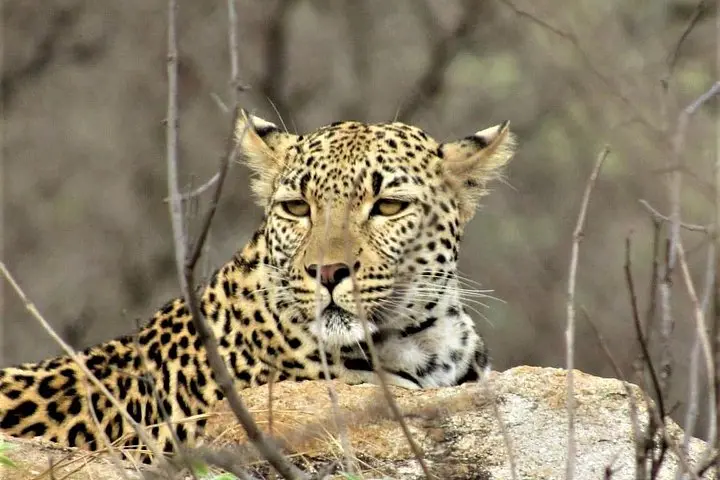
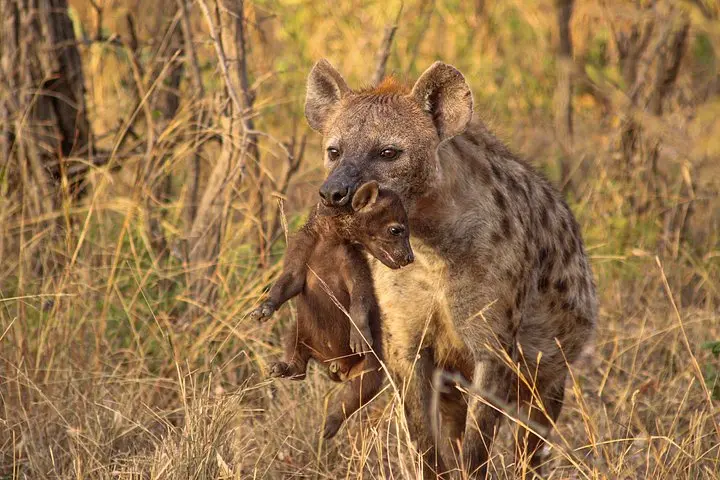
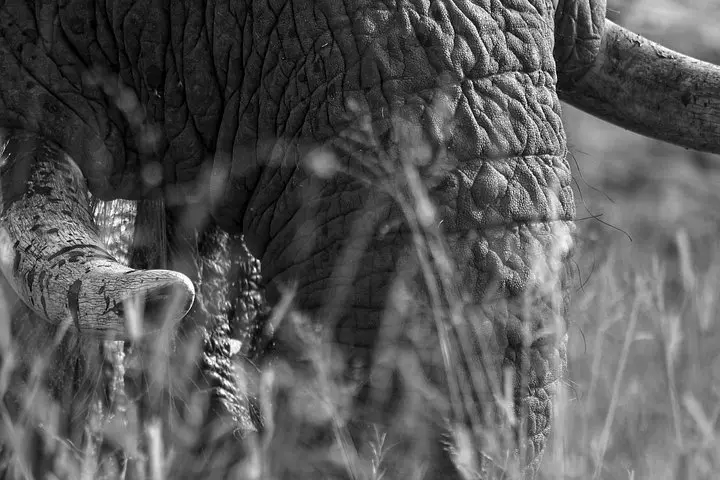
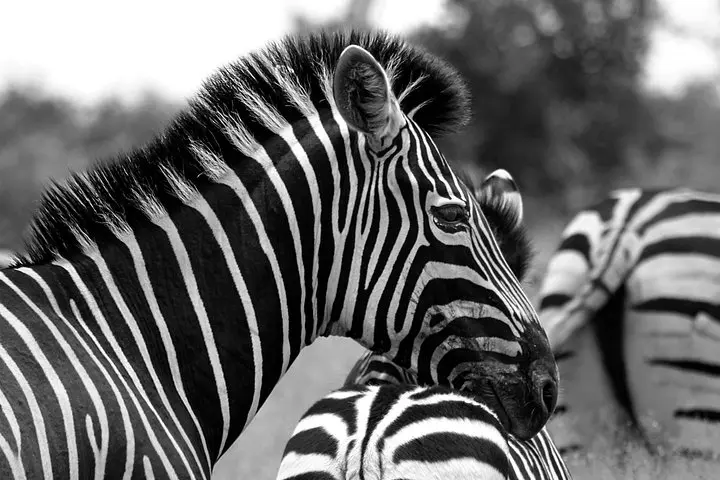
Late afternoons increase activity—expect elephants, buffalo, antelope, and good chances of lions or leopards near water; birdlife like fish eagles and kingfishers is abundant.
Open vehicles are not permitted for infants 0–3; closed air-conditioned vehicles and infant seats are available on request and may incur extra fees. The tour is wheelchair accessible with advance notice for some vehicle types.
This tour includes entry fees; all international visitors must present a valid passport on the day of travel.
For a full refund cancel at least 24 hours before departure; cancellations within 24 hours are non-refundable per operator policy.
GAP Tours Transfers operates guided outdoor trips and adventures with an emphasis on safety, stewardship, and memorable experiences.
Late afternoon the savanna changes currency: dust rises in slow clouds, the Fish Eagle’s cry cuts the heat, and an open safari vehicle becomes a small island of breath and binoculars. Guests set off from Hazyview just after midday, rolling onto dirt tracks where light leans low and predators begin to stir. The pace is deliberate—stop, listen, track—so sightings feel earned rather than incidental.
Late afternoon the savanna changes currency: dust rises in slow clouds, the Fish Eagle’s cry cuts the heat, and an open safari vehicle becomes a small island of breath and binoculars. Guests set off from Hazyview just after midday, rolling onto dirt tracks where light leans low and predators begin to stir. The pace is deliberate—stop, listen, track—so sightings feel earned rather than incidental.
Kruger National Park, created in 1898 and spanning roughly two million hectares of lowveld, sits on ancient granites and basalt flows carved by rivers like the Sabie. That geology feeds a range of habitats—riverine corridors, mopane woodlands and broad grasslands—that support 147 mammals and more than 500 birds. Local Shangaan and Tsonga cultures still influence guiding traditions and community conservation efforts around the park’s periphery.
Experienced field guides translate spoor, calls and twig snaps into readable signs; they often know where lions bed down at dusk and which waterholes attract elephant at sunset. Open vehicles put you close to sound and scent, while closed, air-conditioned vehicles are available for families or high heat.
Practicalities are straightforward: the tour departs ~13:00 and runs ~4 hours (drop-off depends on gate times), entrance fees and bottled water are included, and a valid passport is required for park entry. Bring a wide-brim hat, sunscreen, a good pair of binoculars, and dusty-weather layers—late afternoons cool fast after sunset. Stay seated and follow your guide’s instructions to minimize disturbance; Kruger’s conservation depends on predictable visitor behavior. This afternoon drive is compact but focused: intensive game viewing when the bush is most active, and a clear introduction to one of Africa’s most respected reserves.