THE ADVENTURE COLLECTIVE® · Independent discovery and booking for outdoor travel

In one focused afternoon this guided Sprinter-van tour threads the Historic Columbia River Highway, visiting Vista House, Latourell and Horsetail, and finishing at the thunder of Multnomah Falls. It’s a compact, interpretive way to see the Gorge’s geology, waterfalls, and vistas without the driving logistics.
In one focused afternoon this guided Sprinter-van tour threads the Historic Columbia River Highway, visiting Vista House, Latourell and Horsetail, and finishing at the thunder of Multnomah Falls. It’s a compact, interpretive way to see the Gorge’s geology, waterfalls, and vistas without the driving logistics.
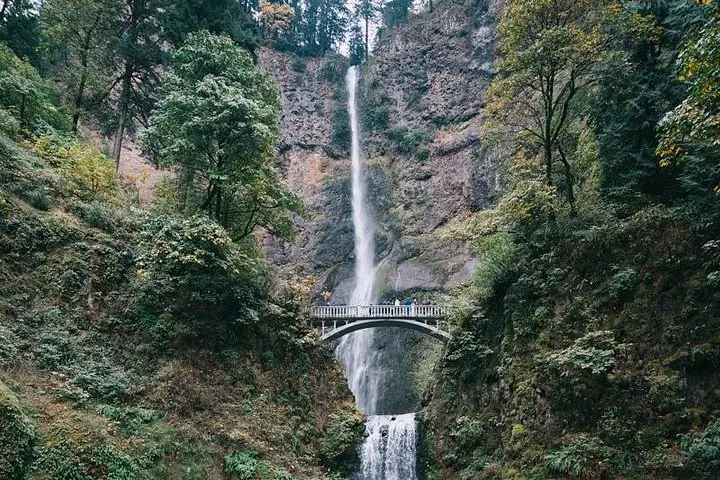
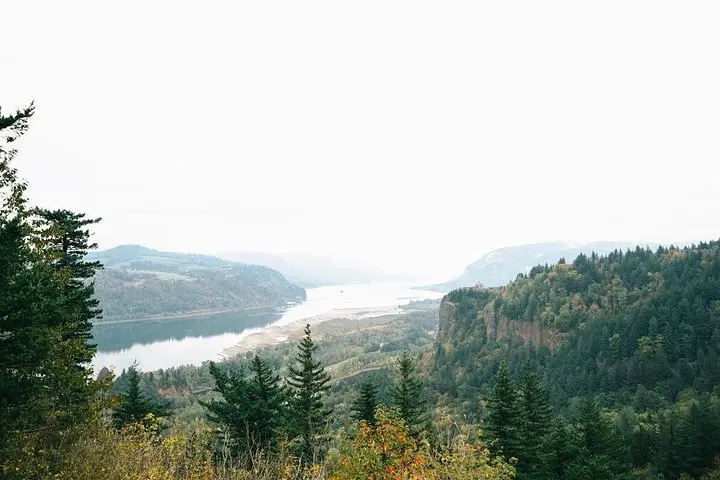
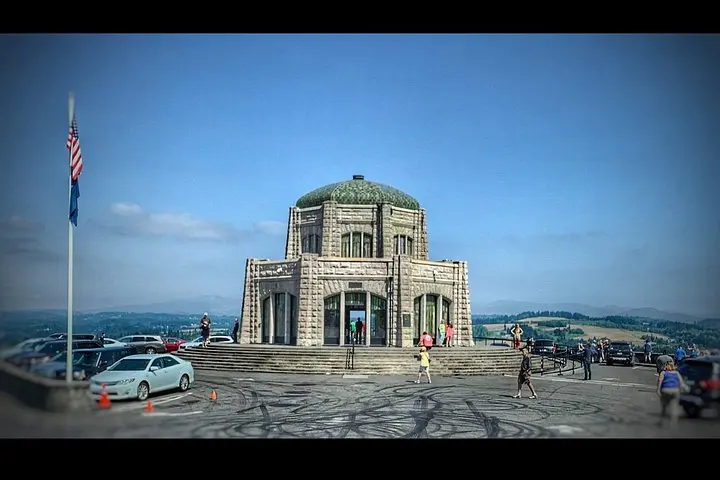
The van eases out of downtown Portland and the city’s grid gives way to a road that clings to the river. Within thirty minutes the air shifts—cooler, wetter—and the Columbia River Gorge opens like a vertical city of basalt and forest. On an afternoon tour you move through that city in concentrated bursts: a stop at a cliff-top overlook where Vista House stares across the canyon, a short walk to Latourell’s punch-bowl pool, a few photo frames from Horsetail Falls, and the slow, inevitable reveal of Multnomah Falls, where water divides and recombines in two dramatic stages.
Verified experiences and guided adventures in the surrounding area.
Operated by Hub World Travel dba America's Hub World Tours LLC · Portland, Oregon
The van eases out of downtown Portland and the city’s grid gives way to a road that clings to the river. Within thirty minutes the air shifts—cooler, wetter—and the Columbia River Gorge opens like a vertical city of basalt and forest. On an afternoon tour you move through that city in concentrated bursts: a stop at a cliff-top overlook where Vista House stares across the canyon, a short walk to Latourell’s punch-bowl pool, a few photo frames from Horsetail Falls, and the slow, inevitable reveal of Multnomah Falls, where water divides and recombines in two dramatic stages.
The Gorge’s bones were carved fast and brutally. Around 15,000 years ago the Missoula Floods sent cataclysmic torrents across the plateau, scouring basalt flows and leaving columnar cliffs that still read like a geological ledger. The Historic Columbia River Highway, built in the 1910s, threads along these features—Crown Point’s Vista House (completed 1918) was conceived as both lookout and memorial to pioneer-era travelers. Today the same road offers carefully framed views and easy access to pockets of old-growth and basalt sculpted by time.
On this guided half-day, the narrative is both natural and cultural. Guides point out the lava flows that created Latourell’s sheer basalt face and explain how underground springs feed Multnomah’s 620-foot descent. You’ll feel the falls’ spray on your face and hear the river pushing outward, daring you to stand closer.
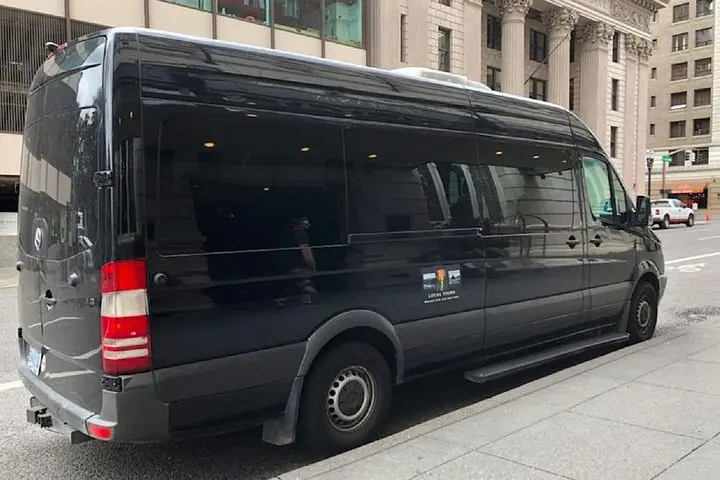
Practical details are built into the rhythm: stops are short but purposeful—expect 10–25 minutes at each waterfall and a total tour time of about 3.5 hours. Walks range from paved viewpoint strolls to a 1/4-mile descent at Latourell; the Multnomah stop includes the short paved path to Benson Bridge. The tour runs in all weather, so rain gear is not optional in the Pacific Northwest. Guides provide bottled water and local context, and the Sprinter-van pickup from central Portland makes the Gorge accessible without a rental car.
For photographers, late afternoon light softens cliffs and reduces glare off the river—arrive with charged batteries. Footwear should handle slick rock and muddy approach trails. If you want fewer crowds at Multnomah, ask your guide about timing the stop; even afternoon tours can see heavy visitation in summer.
This half-day is ideal for travelers who want a concentrated introduction to the Gorge’s waterfalls, geology, and built heritage without the logistics of driving and parking. It’s an efficient, interpretive way to experience some of Oregon’s most famous cascades and the landscape forces that made them.
The tour is about 3.5 hours (210 minutes) and departs in the afternoon—pickup windows begin up to 45 minutes before the listed start time.
Yes—guided Sprinter-van pickups are offered at downtown Portland hotels; you’ll receive a 15-minute pickup window by email after booking.
Yes—there are restroom facilities at Multnomah Falls Lodge and at several designated viewpoints; some smaller stops may have only porta-potties or none.
The van transportation is accessible, but viewpoints include stairs and uneven surfaces; ability to manage short steps will determine access to certain overlooks.
The tour operates in rainy weather but may be canceled for severe conditions; cancellation policies allow a full refund if you cancel at least 24 hours before departure.
Children are welcome but must be accompanied by an adult and follow car-seat laws; service animals are allowed but pets are not advised on trail sections.
Hub World Travel dba America's Hub World Tours LLC operates guided outdoor trips and adventures with an emphasis on safety, stewardship, and memorable experiences.
The van eases out of downtown Portland and the city’s grid gives way to a road that clings to the river. Within thirty minutes the air shifts—cooler, wetter—and the Columbia River Gorge opens like a vertical city of basalt and forest. On an afternoon tour you move through that city in concentrated bursts: a stop at a cliff-top overlook where Vista House stares across the canyon, a short walk to Latourell’s punch-bowl pool, a few photo frames from Horsetail Falls, and the slow, inevitable reveal of Multnomah Falls, where water divides and recombines in two dramatic stages.
The van eases out of downtown Portland and the city’s grid gives way to a road that clings to the river. Within thirty minutes the air shifts—cooler, wetter—and the Columbia River Gorge opens like a vertical city of basalt and forest. On an afternoon tour you move through that city in concentrated bursts: a stop at a cliff-top overlook where Vista House stares across the canyon, a short walk to Latourell’s punch-bowl pool, a few photo frames from Horsetail Falls, and the slow, inevitable reveal of Multnomah Falls, where water divides and recombines in two dramatic stages.
The Gorge’s bones were carved fast and brutally. Around 15,000 years ago the Missoula Floods sent cataclysmic torrents across the plateau, scouring basalt flows and leaving columnar cliffs that still read like a geological ledger. The Historic Columbia River Highway, built in the 1910s, threads along these features—Crown Point’s Vista House (completed 1918) was conceived as both lookout and memorial to pioneer-era travelers. Today the same road offers carefully framed views and easy access to pockets of old-growth and basalt sculpted by time.
On this guided half-day, the narrative is both natural and cultural. Guides point out the lava flows that created Latourell’s sheer basalt face and explain how underground springs feed Multnomah’s 620-foot descent. You’ll feel the falls’ spray on your face and hear the river pushing outward, daring you to stand closer.
Practical details are built into the rhythm: stops are short but purposeful—expect 10–25 minutes at each waterfall and a total tour time of about 3.5 hours. Walks range from paved viewpoint strolls to a 1/4-mile descent at Latourell; the Multnomah stop includes the short paved path to Benson Bridge. The tour runs in all weather, so rain gear is not optional in the Pacific Northwest. Guides provide bottled water and local context, and the Sprinter-van pickup from central Portland makes the Gorge accessible without a rental car.
For photographers, late afternoon light softens cliffs and reduces glare off the river—arrive with charged batteries. Footwear should handle slick rock and muddy approach trails. If you want fewer crowds at Multnomah, ask your guide about timing the stop; even afternoon tours can see heavy visitation in summer.
This half-day is ideal for travelers who want a concentrated introduction to the Gorge’s waterfalls, geology, and built heritage without the logistics of driving and parking. It’s an efficient, interpretive way to experience some of Oregon’s most famous cascades and the landscape forces that made them.