THE ADVENTURE COLLECTIVE® · Independent discovery and booking for outdoor travel

Join a marine biologist for a 2.5-hour afternoon snorkel off the Sorrento Coast. Expect guided wildlife ID, Posidonia meadows, and short boat transfers—perfect for swimmers wanting an informed, hands-on sea experience.
Join a marine biologist for a 2.5-hour afternoon snorkel off the Sorrento Coast. Expect guided wildlife ID, Posidonia meadows, and short boat transfers—perfect for swimmers wanting an informed, hands-on sea experience.
Late afternoon light slides across the Tyrrhenian and the water turns a hard, clear blue; you step off a small launch and the sea seems to breathe, pulling you toward underwater walls and shadowed gullies. The marine biologist in the water points out a camouflaged cuttlefish, then gestures to a ribbon of Posidonia waving like a slow-moving meadow.
Verified experiences and guided adventures in the surrounding area.
Operated by Punta Campanella Diving Center · Sorrento, Campania
Late afternoon light slides across the Tyrrhenian and the water turns a hard, clear blue; you step off a small launch and the sea seems to breathe, pulling you toward underwater walls and shadowed gullies. The marine biologist in the water points out a camouflaged cuttlefish, then gestures to a ribbon of Posidonia waving like a slow-moving meadow.
The Sorrento Coast has long tied sea and town together — fishing hamlets, lime groves, and Roman villas carved into the limestone cliffs. Geologically, the coastline is driven by volcanic formations from nearby Vesuvius and sedimentary terraces that form submerged reefs, creating pockets of biodiversity where sponges, small bream, and octopus find shelter.
Culturally, locals treat the sea as both larder and classroom: families still launch small boats from pebble beaches and conservation groups work to protect Posidonia meadows. On an afternoon snorkel you’ll learn species names and behaviors, not just sights — the biologist decodes what currents mean and where fish will shelter.
Practically: tours run about 2.5 hours and are suitable for swimmers of varying experience; equipment is provided and the guide keeps groups small. Expect short boat transfers, shallow rocky entry points, and patches of strong sun between brief swims. Bring reef-safe sunscreen, a thin thermal top in cooler months, and a secure dry bag for belongings. Stay hydrated and listen to briefings about currents and marine etiquette — the simplest actions protect fragile seafloor communities. Emerge wet and clearer-eyed: the coast will have offered up a series of small surprises and a better understanding of how Mediterranean life moves beneath the surface.
Basic snorkeling skills and comfort in open water are required; the guide will give a short refresher and in-water assistance.
Yes — masks, snorkels, and fins are provided; bring your own if you prefer a personal fit.
Children who can swim independently are welcome, but check age limits with the operator; supervision and buoyancy aids are often available.
Tours cancel in rough conditions for safety and offer a full refund if cancelled at least 24 hours before departure per operator policy.
Punta Campanella Diving Center operates guided outdoor trips and adventures with an emphasis on safety, stewardship, and memorable experiences.
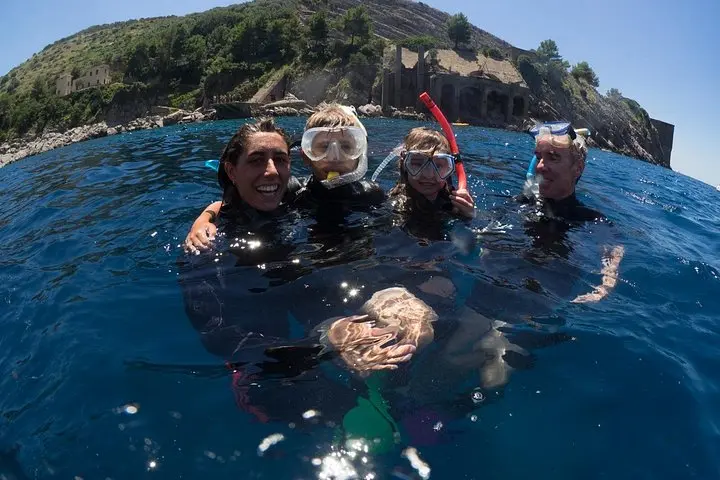
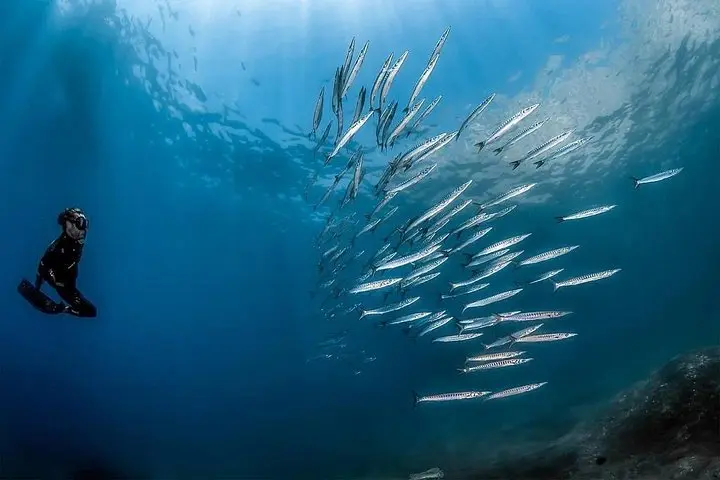
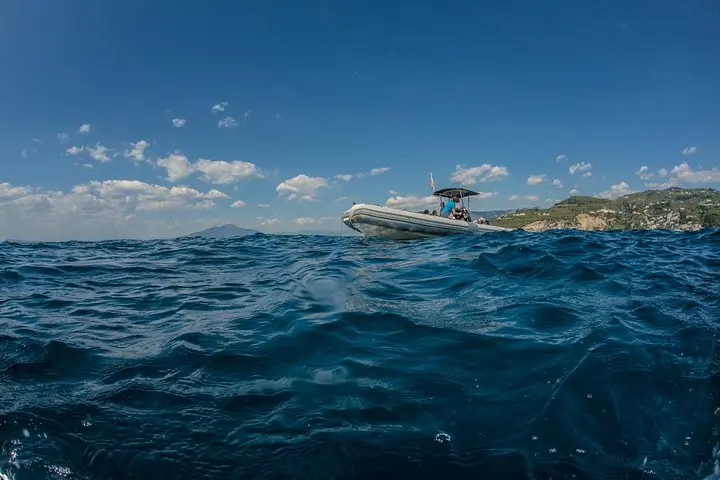
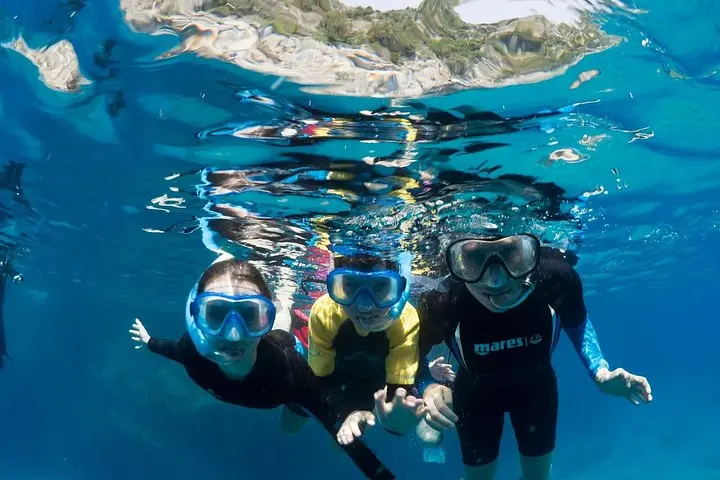
Late afternoon light slides across the Tyrrhenian and the water turns a hard, clear blue; you step off a small launch and the sea seems to breathe, pulling you toward underwater walls and shadowed gullies. The marine biologist in the water points out a camouflaged cuttlefish, then gestures to a ribbon of Posidonia waving like a slow-moving meadow.
Late afternoon light slides across the Tyrrhenian and the water turns a hard, clear blue; you step off a small launch and the sea seems to breathe, pulling you toward underwater walls and shadowed gullies. The marine biologist in the water points out a camouflaged cuttlefish, then gestures to a ribbon of Posidonia waving like a slow-moving meadow.
The Sorrento Coast has long tied sea and town together — fishing hamlets, lime groves, and Roman villas carved into the limestone cliffs. Geologically, the coastline is driven by volcanic formations from nearby Vesuvius and sedimentary terraces that form submerged reefs, creating pockets of biodiversity where sponges, small bream, and octopus find shelter.
Culturally, locals treat the sea as both larder and classroom: families still launch small boats from pebble beaches and conservation groups work to protect Posidonia meadows. On an afternoon snorkel you’ll learn species names and behaviors, not just sights — the biologist decodes what currents mean and where fish will shelter.
Practically: tours run about 2.5 hours and are suitable for swimmers of varying experience; equipment is provided and the guide keeps groups small. Expect short boat transfers, shallow rocky entry points, and patches of strong sun between brief swims. Bring reef-safe sunscreen, a thin thermal top in cooler months, and a secure dry bag for belongings. Stay hydrated and listen to briefings about currents and marine etiquette — the simplest actions protect fragile seafloor communities. Emerge wet and clearer-eyed: the coast will have offered up a series of small surprises and a better understanding of how Mediterranean life moves beneath the surface.