THE ADVENTURE COLLECTIVE® · Independent discovery and booking for outdoor travel

Spend a day trip from Krakow into the Polish Tatras—stroll Zakopane’s lively Krupówki, sample Górale cuisine, and relax in Chochołów’s deep geothermal thermal baths. Practical travel details and local culture make this an accessible mountain escape.
Spend a day trip from Krakow into the Polish Tatras—stroll Zakopane’s lively Krupówki, sample Górale cuisine, and relax in Chochołów’s deep geothermal thermal baths. Practical travel details and local culture make this an accessible mountain escape.
You leave Krakow in the glow of late morning, the road easing into open fields before the Tatra Mountains rise like a wall ahead. By mid-afternoon the timber roofs and lively market street of Zakopane unfold: Krupówki’s paved promenade, stalls selling Oscypek smoked cheese, and the highlander (Górale) customs that shape local craft and costume.
Verified experiences and guided adventures in the surrounding area.
You leave Krakow in the glow of late morning, the road easing into open fields before the Tatra Mountains rise like a wall ahead. By mid-afternoon the timber roofs and lively market street of Zakopane unfold: Krupówki’s paved promenade, stalls selling Oscypek smoked cheese, and the highlander (Górale) customs that shape local craft and costume.
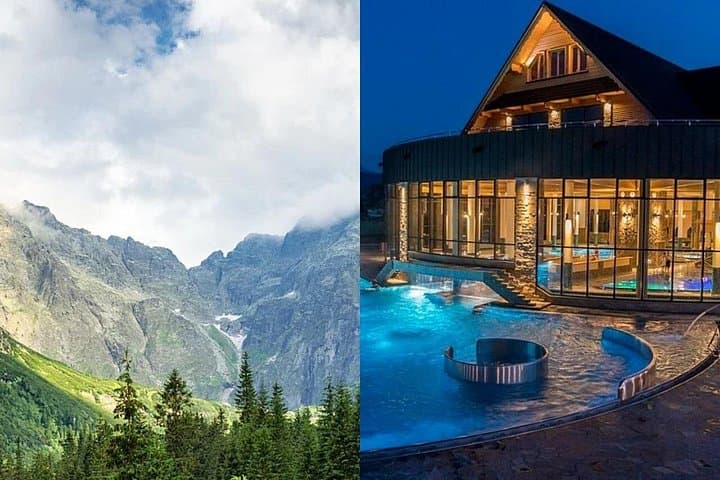
Zakopane sits at about 850 m, the Tatra crest pushing skyward to jagged summits carved by glaciation; you’ll see dark limestone ridges above tree line and mixed spruce-beech forest on lower slopes. The town is the birthplace of the Zakopane Style of architecture—wooden houses and steep roofs designed for heavy snow—and a cultural hub for Podhale mountain traditions.
Your afternoon can include a walk along Krupówki or a short ascent to viewpoints such as Gubałówka (via cable car or steep path) before heading to Chochołów, a village of preserved wooden houses and a modern thermal complex fed by deep geothermal springs extracted roughly 3,600 m below ground.
Practicalities: expect two hours each way from Krakow by road and plan for 8–10 hours total including transfers. Footwear should handle pavement and short hikes; bring swimwear for thermal pools and a warm layer for cooler mountain evenings. Hydrate on the drive and carry local currency for market purchases; spa facilities often provide lockers and towels but check ahead. The itinerary balances culture, light walking, and restorative thermal time—an achievable day trip that pairs mountain town exploration with a soak to unwind after fresh alpine air.
Typical driving time is about 2 hours each way depending on traffic; plan for roughly 4 hours of round-trip travel within the 10-hour tour.
Many thermal centers offer lockers and towel rental but policies vary—bringing your own towel ensures availability and avoids rental fees.
Walking is mostly on paved streets like Krupówki; optional short uphill walks to viewpoints are steeper but short—good walking shoes are recommended.
Street vendors serve traditional foods like smoked cheese and grilled items; vegetarians and those with allergies should ask vendors directly and consider dining at restaurants with menus listed in English.
You leave Krakow in the glow of late morning, the road easing into open fields before the Tatra Mountains rise like a wall ahead. By mid-afternoon the timber roofs and lively market street of Zakopane unfold: Krupówki’s paved promenade, stalls selling Oscypek smoked cheese, and the highlander (Górale) customs that shape local craft and costume.
You leave Krakow in the glow of late morning, the road easing into open fields before the Tatra Mountains rise like a wall ahead. By mid-afternoon the timber roofs and lively market street of Zakopane unfold: Krupówki’s paved promenade, stalls selling Oscypek smoked cheese, and the highlander (Górale) customs that shape local craft and costume.
Zakopane sits at about 850 m, the Tatra crest pushing skyward to jagged summits carved by glaciation; you’ll see dark limestone ridges above tree line and mixed spruce-beech forest on lower slopes. The town is the birthplace of the Zakopane Style of architecture—wooden houses and steep roofs designed for heavy snow—and a cultural hub for Podhale mountain traditions.
Your afternoon can include a walk along Krupówki or a short ascent to viewpoints such as Gubałówka (via cable car or steep path) before heading to Chochołów, a village of preserved wooden houses and a modern thermal complex fed by deep geothermal springs extracted roughly 3,600 m below ground.
Practicalities: expect two hours each way from Krakow by road and plan for 8–10 hours total including transfers. Footwear should handle pavement and short hikes; bring swimwear for thermal pools and a warm layer for cooler mountain evenings. Hydrate on the drive and carry local currency for market purchases; spa facilities often provide lockers and towels but check ahead. The itinerary balances culture, light walking, and restorative thermal time—an achievable day trip that pairs mountain town exploration with a soak to unwind after fresh alpine air.