THE ADVENTURE COLLECTIVE® · Independent discovery and booking for outdoor travel

A full-day drive from Baku leads into the Quba highlands where Tanggalti canyon and the 95m Afurdja waterfall meet a cliff-top medieval ruin. Expect forested tracks, dramatic viewpoints and a short, history-rich stroll around Chiraq Castle.
A full-day drive from Baku leads into the Quba highlands where Tanggalti canyon and the 95m Afurdja waterfall meet a cliff-top medieval ruin. Expect forested tracks, dramatic viewpoints and a short, history-rich stroll around Chiraq Castle.
By mid-morning the highway peels away from Baku’s glass and concrete and the land tips into green: the engine hums, pines lean closer, and the road climbs toward the Greater Caucasus.
Verified experiences and guided adventures in the surrounding area.
Operated by Travel2Baku · Quba, Quba Rayon
By mid-morning the highway peels away from Baku’s glass and concrete and the land tips into green: the engine hums, pines lean closer, and the road climbs toward the Greater Caucasus.
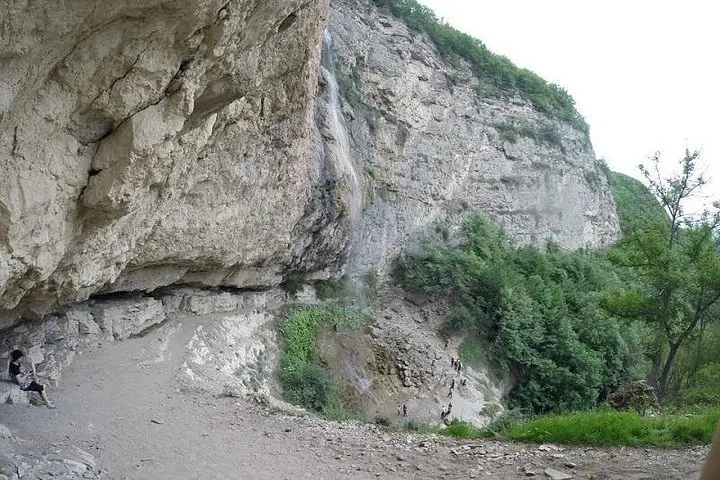
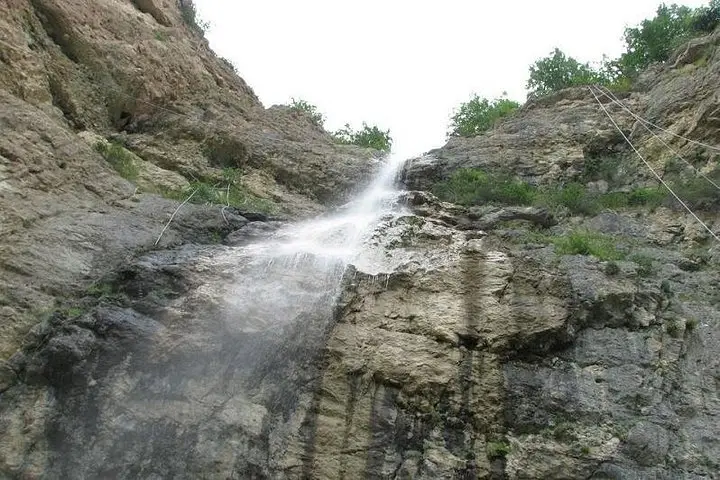
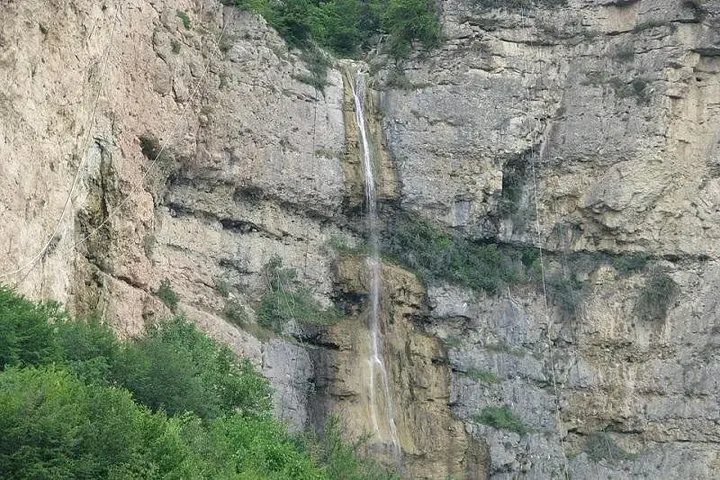
Within two hours you reach the Quba highlands where a forested valley opens to Tanggalti canyon, its limestone walls rising toward 600 meters. The canyon narrows like a throat and the road switches back, taking you steadily upward to Afurdja — a dramatic, 95-meter cascade that is Azerbaijan’s tallest. The water throws itself off a sheer band of rock and the spray dares you forward; nearby trees cool the air and make a quiet place for lunch.
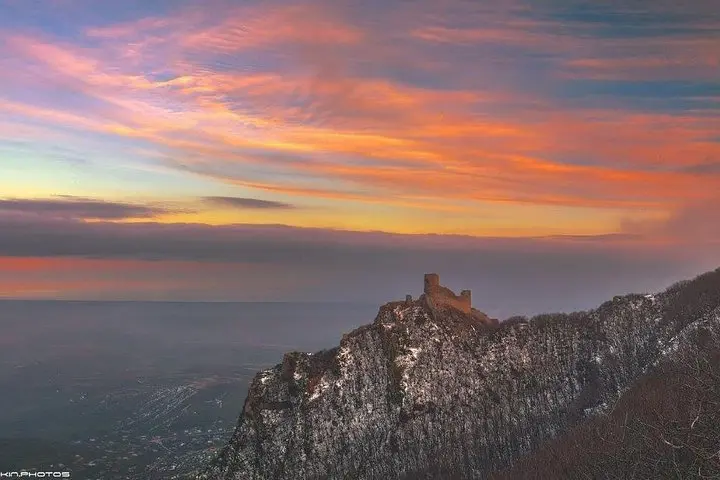
On the return drive the silhouette of Chiraq Castle appears on a crag at about 1,200 meters above sea level. Historically part of a defensive chain, the fortress—whose name comes from the word for a beacon fire—served regional khans and watched the mountain approaches for centuries. The castle’s partially intact tower still leans above the forest; exposed mortar and eroding cliffs are visible reminders of fragile heritage.
Practical guidance: this is a full-day, moderate outing with mostly driving and short walks on uneven forest tracks and rocky viewpoints. Wear sturdy shoes, carry layered clothing and water, and expect dusty roads that favor 4x4 transport. Photographers will want the softer light of late afternoon, but midday offers the clearest views into the canyon. Respect fenced areas at Chiraq—rockfall and unstable foundations make a close approach risky, and local guides can help you plan safe vantage points.
The tour typically drives about two hours north to reach the Quba area; total excursion time is around 10 hours including stops.
No—reaching viewpoints involves short walks on uneven ground and some steps; basic mobility is sufficient but expect uneven terrain.
Local entrance fees or small conservation charges may apply; when included, your guide or operator will handle admissions.
Yes—children can join, but guardians should supervise near cliffs and steep viewpoints; the trip is best for families used to short hikes.
Travel2Baku operates guided outdoor trips and adventures with an emphasis on safety, stewardship, and memorable experiences.
By mid-morning the highway peels away from Baku’s glass and concrete and the land tips into green: the engine hums, pines lean closer, and the road climbs toward the Greater Caucasus.
By mid-morning the highway peels away from Baku’s glass and concrete and the land tips into green: the engine hums, pines lean closer, and the road climbs toward the Greater Caucasus.
Within two hours you reach the Quba highlands where a forested valley opens to Tanggalti canyon, its limestone walls rising toward 600 meters. The canyon narrows like a throat and the road switches back, taking you steadily upward to Afurdja — a dramatic, 95-meter cascade that is Azerbaijan’s tallest. The water throws itself off a sheer band of rock and the spray dares you forward; nearby trees cool the air and make a quiet place for lunch.
On the return drive the silhouette of Chiraq Castle appears on a crag at about 1,200 meters above sea level. Historically part of a defensive chain, the fortress—whose name comes from the word for a beacon fire—served regional khans and watched the mountain approaches for centuries. The castle’s partially intact tower still leans above the forest; exposed mortar and eroding cliffs are visible reminders of fragile heritage.
Practical guidance: this is a full-day, moderate outing with mostly driving and short walks on uneven forest tracks and rocky viewpoints. Wear sturdy shoes, carry layered clothing and water, and expect dusty roads that favor 4x4 transport. Photographers will want the softer light of late afternoon, but midday offers the clearest views into the canyon. Respect fenced areas at Chiraq—rockfall and unstable foundations make a close approach risky, and local guides can help you plan safe vantage points.