THE ADVENTURE COLLECTIVE® · Independent discovery and booking for outdoor travel

Ride a short private cable-car from Agadir’s waterfront to the historic Kasbah Oufella for sweeping Atlantic and Atlas-foothill views. Ideal for a quick cultural stop with accessible viewpoints and strong photo opportunities.
Ride a short private cable-car from Agadir’s waterfront to the historic Kasbah Oufella for sweeping Atlantic and Atlas-foothill views. Ideal for a quick cultural stop with accessible viewpoints and strong photo opportunities.
The cable car lifts you from Agadir’s sun-swept corniche and eases you above a patchwork of red roofs, palm rows and the glint of the Atlantic. Wind nudges the cabin as the city shrinks beneath; ahead, the ruined ramparts of the Kasbah—Agadir Oufella—perch on a raw, wind-scarred headland, and beyond them the darker silhouette of the Atlas foothills promises a different scale of landscape.
Verified experiences and guided adventures in the surrounding area.
Operated by Agadir Journey · Agadir, Souss-Massa
The cable car lifts you from Agadir’s sun-swept corniche and eases you above a patchwork of red roofs, palm rows and the glint of the Atlantic. Wind nudges the cabin as the city shrinks beneath; ahead, the ruined ramparts of the Kasbah—Agadir Oufella—perch on a raw, wind-scarred headland, and beyond them the darker silhouette of the Atlas foothills promises a different scale of landscape.
The hilltop kasbah predates the modern seafront and was heavily damaged in the 1960 earthquake; today its stone walls and viewpoint are a direct link to the city’s past and strategic coastal role. Geologically, the view merges the sandy coastal plain with the uplifted, folded ridges of the Anti-Atlas/Atlas foothills, visible as stepped, ochre slopes inland. Local culture here leans Amazigh (Berber) — you’ll notice woven rugs and market calls at nearby souks — and seafood stalls along the waterfront reflect Agadir’s working-port roots.
Practically, this private cable-car experience is brief (about 1–2 hours) and low-impact: short walks from station to viewpoint, clear panoramic photo opportunities, and an accessible route suitable for most fitness levels. Time your visit for late afternoon when light softens the cliffs and the city cools; bring sun protection, a wind layer and a camera with a wide lens. Respect signs at the kasbah ruins, support local craft vendors if you can, and plan onward time to explore the lively Souk El Had or the marina after your ride.
The typical visit lasts 60–120 minutes including cable car rides and time at the kasbah viewpoint.
Yes—transportation and sites are listed as wheelchair and stroller accessible, but check with your operator about specific vehicle layouts.
There are small vendors near the kasbah and on the corniche; bring water especially on hot days as options can be limited.
Yes—this private, short-duration experience is family-friendly; infant seats and stroller access are available on request.
Agadir Journey operates guided outdoor trips and adventures with an emphasis on safety, stewardship, and memorable experiences.
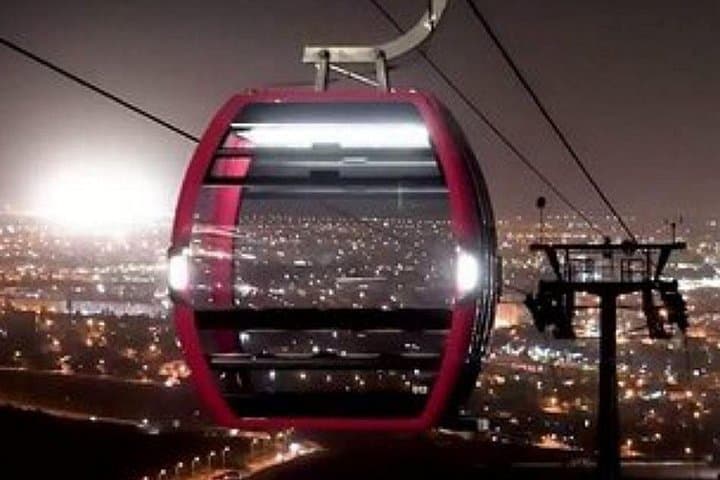
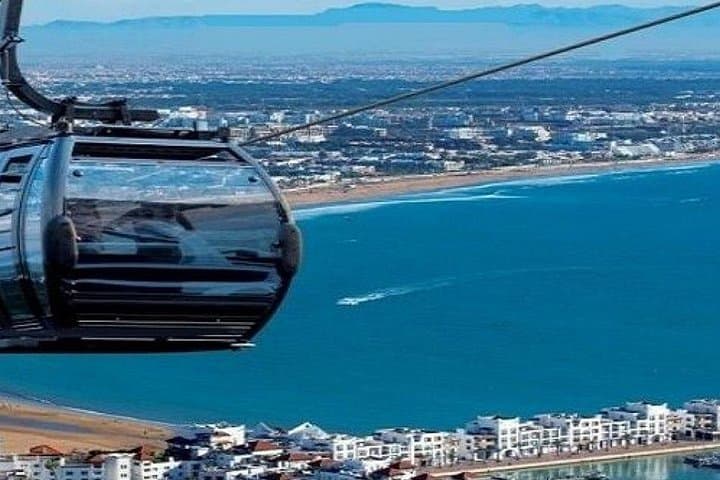
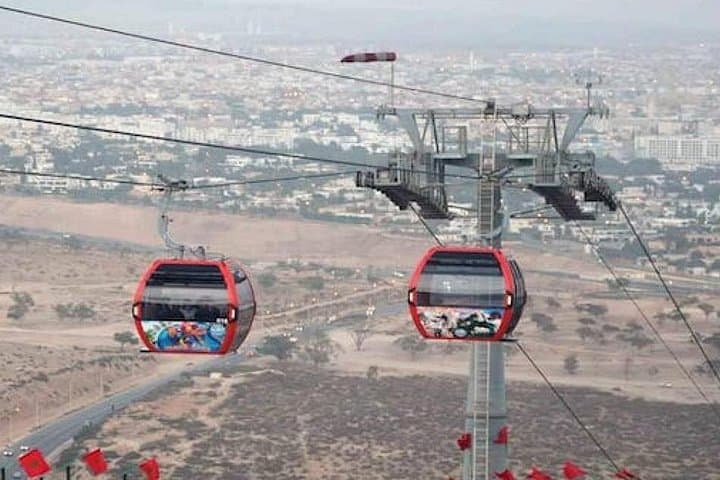

The cable car lifts you from Agadir’s sun-swept corniche and eases you above a patchwork of red roofs, palm rows and the glint of the Atlantic. Wind nudges the cabin as the city shrinks beneath; ahead, the ruined ramparts of the Kasbah—Agadir Oufella—perch on a raw, wind-scarred headland, and beyond them the darker silhouette of the Atlas foothills promises a different scale of landscape.
The cable car lifts you from Agadir’s sun-swept corniche and eases you above a patchwork of red roofs, palm rows and the glint of the Atlantic. Wind nudges the cabin as the city shrinks beneath; ahead, the ruined ramparts of the Kasbah—Agadir Oufella—perch on a raw, wind-scarred headland, and beyond them the darker silhouette of the Atlas foothills promises a different scale of landscape.
The hilltop kasbah predates the modern seafront and was heavily damaged in the 1960 earthquake; today its stone walls and viewpoint are a direct link to the city’s past and strategic coastal role. Geologically, the view merges the sandy coastal plain with the uplifted, folded ridges of the Anti-Atlas/Atlas foothills, visible as stepped, ochre slopes inland. Local culture here leans Amazigh (Berber) — you’ll notice woven rugs and market calls at nearby souks — and seafood stalls along the waterfront reflect Agadir’s working-port roots.
Practically, this private cable-car experience is brief (about 1–2 hours) and low-impact: short walks from station to viewpoint, clear panoramic photo opportunities, and an accessible route suitable for most fitness levels. Time your visit for late afternoon when light softens the cliffs and the city cools; bring sun protection, a wind layer and a camera with a wide lens. Respect signs at the kasbah ruins, support local craft vendors if you can, and plan onward time to explore the lively Souk El Had or the marina after your ride.