THE ADVENTURE COLLECTIVE® · Independent discovery and booking for outdoor travel

Walk Agadir’s waterfront to the Kasbah and into the heart of Souk El Had on a three-hour guided tour that combines coastal views, Berber argan traditions, and practical market tips. Ideal for travelers who want an accessible cultural snapshot with local insights.
Walk Agadir’s waterfront to the Kasbah and into the heart of Souk El Had on a three-hour guided tour that combines coastal views, Berber argan traditions, and practical market tips. Ideal for travelers who want an accessible cultural snapshot with local insights.
Morning light glints off the yachts in Agadir Marina while salt wind pushes the city awake; the guide leads the group away from the promenade and up toward the stone outline of Kasbah Oufella where the bay lays itself open below.
Verified experiences and guided adventures in the surrounding area.
Operated by Agadir My Way Tours · Agadir, Souss-Massa
Morning light glints off the yachts in Agadir Marina while salt wind pushes the city awake; the guide leads the group away from the promenade and up toward the stone outline of Kasbah Oufella where the bay lays itself open below.
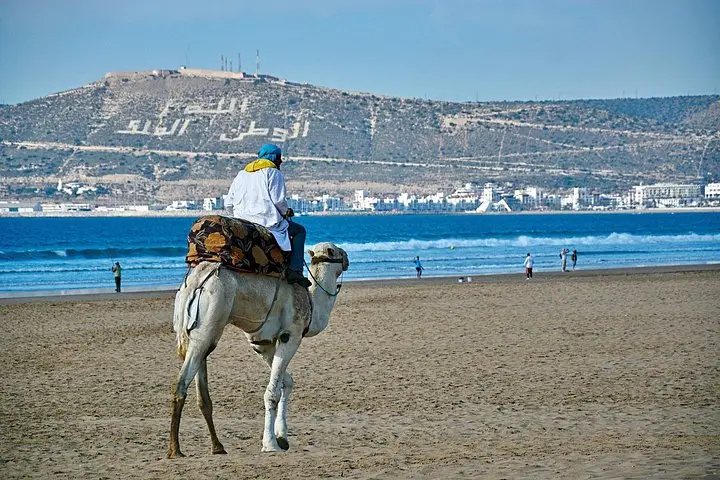
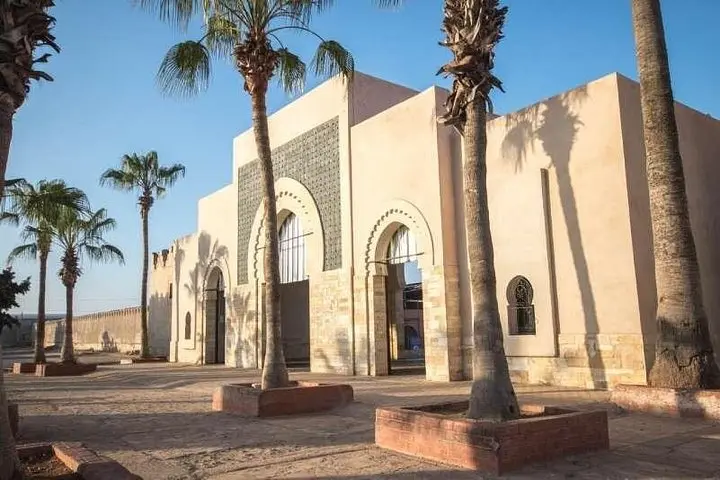
This three-hour circuit threads coastal panoramas with human stories: the Kasbah’s ruined ramparts recall the 1960 earthquake that reshaped Agadir’s modern identity, the Mohamed V Mosque demonstrates Moroccan-Islamic architectural priorities, and the argan cooperative preserves Berber production techniques passed down through generations.
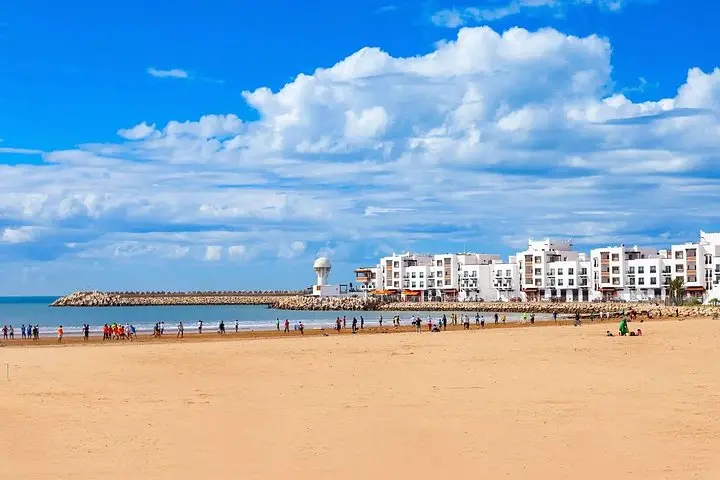
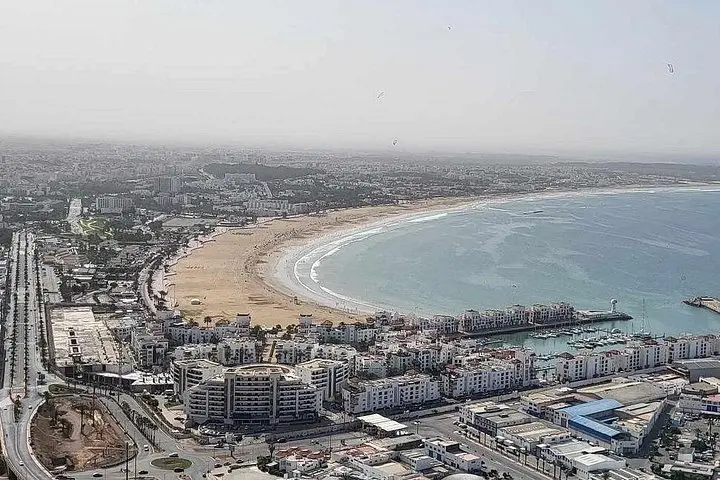
Geologically the city sits where the Anti-Atlas foothills meet the Atlantic—sandy beaches give way to rocky promontories and the Souss plain spreads inland—so views shift quickly from open water to scrub and almond terraces. Culture here is tactile: spices at Souk El Had, hand-pressed argan oil, and vendors who expect conversation as part of commerce.
Practical guidance is straightforward. Expect mostly flat walking with occasional stone steps at the Kasbah; wear supportive shoes for uneven cobbles, carry cash for market purchases, and plan for sun—shade is limited on the waterfront. The argan cooperative visit lasts about 15–30 minutes and is an opportunity to learn about sustainable harvesting and local women‑led enterprises.
Best times are morning or late afternoon to avoid peak heat and busy market hours. Travelers should respect mosque boundaries, follow the guide’s pacing through stalls, and allow an hour of free time to explore Souk El Had’s labyrinthine alleys. This tour balances easy urban walking with vivid cultural encounters—accessible, informative, and rooted in Agadir’s coastal character.
Yes—hotel pickup and drop-off within Agadir city limits are included in the tour price.
No; visitors may photograph the exterior and learn about its architecture from the guide, but interior access is restricted to worshippers.
No purchase is required, but buying supports local women’s cooperatives and sustainable harvesting practices.
Yes—infants and small children can use strollers and infant seats are available; terrain is generally stroller-friendly though some alleys are narrow.
Agadir My Way Tours operates guided outdoor trips and adventures with an emphasis on safety, stewardship, and memorable experiences.
Morning light glints off the yachts in Agadir Marina while salt wind pushes the city awake; the guide leads the group away from the promenade and up toward the stone outline of Kasbah Oufella where the bay lays itself open below.
Morning light glints off the yachts in Agadir Marina while salt wind pushes the city awake; the guide leads the group away from the promenade and up toward the stone outline of Kasbah Oufella where the bay lays itself open below.
This three-hour circuit threads coastal panoramas with human stories: the Kasbah’s ruined ramparts recall the 1960 earthquake that reshaped Agadir’s modern identity, the Mohamed V Mosque demonstrates Moroccan-Islamic architectural priorities, and the argan cooperative preserves Berber production techniques passed down through generations.
Geologically the city sits where the Anti-Atlas foothills meet the Atlantic—sandy beaches give way to rocky promontories and the Souss plain spreads inland—so views shift quickly from open water to scrub and almond terraces. Culture here is tactile: spices at Souk El Had, hand-pressed argan oil, and vendors who expect conversation as part of commerce.
Practical guidance is straightforward. Expect mostly flat walking with occasional stone steps at the Kasbah; wear supportive shoes for uneven cobbles, carry cash for market purchases, and plan for sun—shade is limited on the waterfront. The argan cooperative visit lasts about 15–30 minutes and is an opportunity to learn about sustainable harvesting and local women‑led enterprises.
Best times are morning or late afternoon to avoid peak heat and busy market hours. Travelers should respect mosque boundaries, follow the guide’s pacing through stalls, and allow an hour of free time to explore Souk El Had’s labyrinthine alleys. This tour balances easy urban walking with vivid cultural encounters—accessible, informative, and rooted in Agadir’s coastal character.