THE ADVENTURE COLLECTIVE® · Independent discovery and booking for outdoor travel

Mount a dromedary and cross Agadir’s dune ridges toward tidal flats where flamingos feed. This two-hour guided camel ride blends shoreline views, local culture, and bird-watching with accessible, low-impact adventure.
Mount a dromedary and cross Agadir’s dune ridges toward tidal flats where flamingos feed. This two-hour guided camel ride blends shoreline views, local culture, and bird-watching with accessible, low-impact adventure.
The sun sits low over Agadir’s Atlantic edge as you mount a dromedary and the world tilts into slow motion.
Verified experiences and guided adventures in the surrounding area.
Operated by agadir couscoustrip · Agadir, Souss-Massa
The sun sits low over Agadir’s Atlantic edge as you mount a dromedary and the world tilts into slow motion.
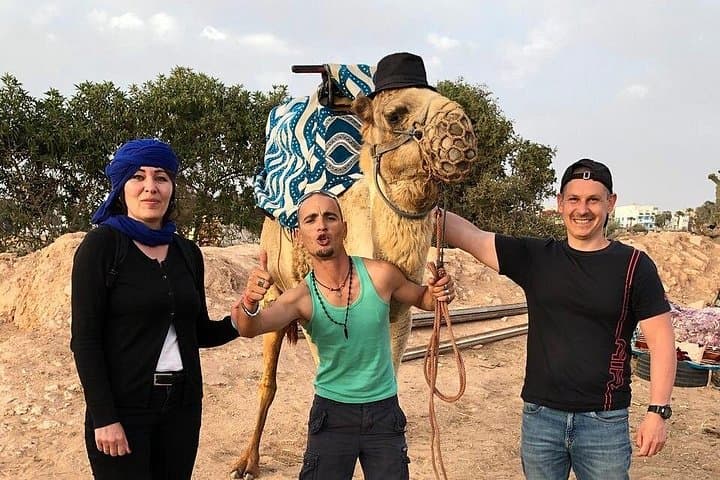
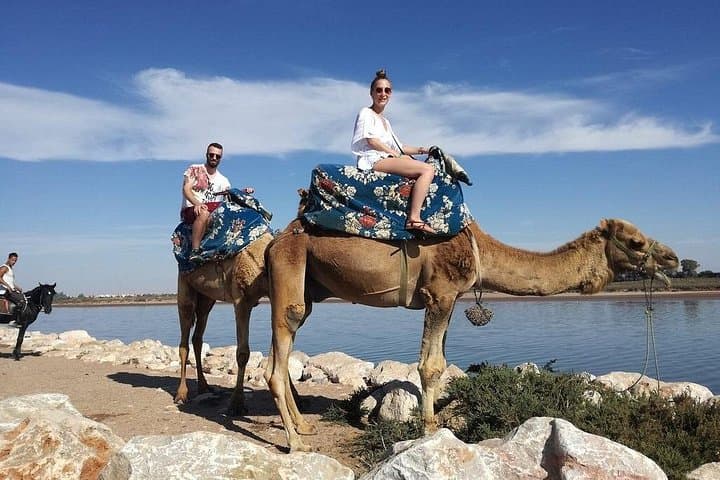
Sand crunches under padded feet and the camel’s sway sets a steady, meditative pace. For two hours you move along dune ridgelines and coastal flats, passing the edge of the city—brief views of the Royal Palace façades—and skirting bird-rich wetlands where flamingos gather at the estuary.
Agadir is a modern coastal city rebuilt after the 1960 earthquake; its shoreline and nearby Souss-Massa wetlands are shaped by Atlantic tides and riverine sediments that create the shallow lagoons favored by migratory shorebirds. The ride threads built-up beachscape and natural dune, offering practical insight into local life: the fishing harbor’s morning traffic, argan trees inland, and the cultural rhythm of southern Morocco.
Expect flat-to-rolling sandy terrain; no technical climbing, but camel mounts involve low, rising motion and brief balancing. Guides typically provide safety briefings, lead the animals, and explain local ecology and customs. Bring sun protection and water—the ride is exposed and reflective sand intensifies UV. Mornings and late afternoons are cooler and skirt the busiest tourist hours.
Practicalities: this is a shared, guided excursion (up to ~15), lasts about 2 hours, and often includes private, air-conditioned transfer. Not recommended for pregnant travelers or those with serious back problems. Respect wildlife zones—stay on the route, avoid loud noise near lagoons, and follow your guide’s instructions for the safety of both rider and dromedary.
Yes—many operators allow children, but confirm age or weight limits when booking; infants should sit on laps per operator policy.
Transfers are often included; if not, the ride is typically arranged near Agadir’s beach/dune access points—confirm pickup details with the provider.
Not recommended for travelers with spinal injuries or pregnant guests; those with mobility issues should check with the operator in advance.
You may spot flamingos and shorebirds at nearby estuaries, especially at low tide—sightings depend on season and recent water conditions.
agadir couscoustrip operates guided outdoor trips and adventures with an emphasis on safety, stewardship, and memorable experiences.


The sun sits low over Agadir’s Atlantic edge as you mount a dromedary and the world tilts into slow motion.
The sun sits low over Agadir’s Atlantic edge as you mount a dromedary and the world tilts into slow motion.
Sand crunches under padded feet and the camel’s sway sets a steady, meditative pace. For two hours you move along dune ridgelines and coastal flats, passing the edge of the city—brief views of the Royal Palace façades—and skirting bird-rich wetlands where flamingos gather at the estuary.
Agadir is a modern coastal city rebuilt after the 1960 earthquake; its shoreline and nearby Souss-Massa wetlands are shaped by Atlantic tides and riverine sediments that create the shallow lagoons favored by migratory shorebirds. The ride threads built-up beachscape and natural dune, offering practical insight into local life: the fishing harbor’s morning traffic, argan trees inland, and the cultural rhythm of southern Morocco.
Expect flat-to-rolling sandy terrain; no technical climbing, but camel mounts involve low, rising motion and brief balancing. Guides typically provide safety briefings, lead the animals, and explain local ecology and customs. Bring sun protection and water—the ride is exposed and reflective sand intensifies UV. Mornings and late afternoons are cooler and skirt the busiest tourist hours.
Practicalities: this is a shared, guided excursion (up to ~15), lasts about 2 hours, and often includes private, air-conditioned transfer. Not recommended for pregnant travelers or those with serious back problems. Respect wildlife zones—stay on the route, avoid loud noise near lagoons, and follow your guide’s instructions for the safety of both rider and dromedary.