THE ADVENTURE COLLECTIVE® · Independent discovery and booking for outdoor travel

Venture from Agadir into the remote Erg Chegaga dunes on a five-day 4x4 safari that blends off-road driving, cultural stops and nights under the stars. This route favors wilderness, long desert drives and authentic Saharan camp experiences away from the more traveled Merzouga corridors.
Venture from Agadir into the remote Erg Chegaga dunes on a five-day 4x4 safari that blends off-road driving, cultural stops and nights under the stars. This route favors wilderness, long desert drives and authentic Saharan camp experiences away from the more traveled Merzouga corridors.
The sun drops a coin of light behind jagged dunes as a convoy of SUVs sketches its tracks across ochre sand — you arrive at Erg Chegaga with the engine’s rumble fading into wind. Evenings here are wide and cold, days are a furnace; the desert both dares and hushes you as stars unspool above the camp.
Verified experiences and guided adventures in the surrounding area.
The sun drops a coin of light behind jagged dunes as a convoy of SUVs sketches its tracks across ochre sand — you arrive at Erg Chegaga with the engine’s rumble fading into wind. Evenings here are wide and cold, days are a furnace; the desert both dares and hushes you as stars unspool above the camp.
This five-day route from Agadir follows old caravan lines that linked Atlantic ports to Saharan oases. Geologically, Erg Chegaga is a vast dune sea formed by wind-driven sand amplified by the Atlas Mountain rain shadow; dunes here are broader and more remote than Merzouga’s, carved into long ridgelines and shifting bowls. Locally, nomadic and Saharan Berber communities still raise camels, tend small palm oases and maintain granary ruins (ksour) that punctuate the route.
Expect long off-road stretches over mixed terrain — packed desert tracks, gravel plateaus and soft sand requiring convoy techniques. Nights are spent in desert camps: canvas bivouacs or tents, communal tagines and music around a fire. Guides provide navigation, vehicle recovery and cultural context.
Practical guidance: travel light but prepared — carry at least 3 liters of water per day, sun protection and warm layers for night. Footwear should handle loose sand and rocky washes. Plan daily pacing: mornings for dune treks and photo light, afternoons for driving or siestas when heat peaks. Phones may lose signal; rely on guide briefings and a physical itinerary. Respect local customs, conserve water, and pack out waste — the dunes are fragile and slow to recover.
Erg Chegaga is significantly more remote with fewer tourist facilities; expect longer driving stretches, more wilderness, and simpler camps.
Many families join but expect long drives and rough tracks; bring motion-sickness remedies and check vehicle safety features with the operator.
Basic desert camps typically offer simple toilets and basin showers; luxury tents may include private facilities—confirm when booking.
Yes, short camel treks to or from a dune viewpoint are common, but most long transfers are by 4x4; camel rides are optional and weather-dependent.
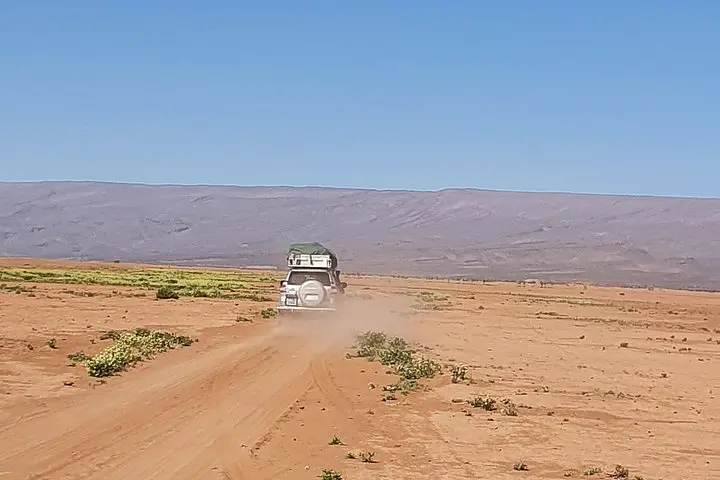
The sun drops a coin of light behind jagged dunes as a convoy of SUVs sketches its tracks across ochre sand — you arrive at Erg Chegaga with the engine’s rumble fading into wind. Evenings here are wide and cold, days are a furnace; the desert both dares and hushes you as stars unspool above the camp.
The sun drops a coin of light behind jagged dunes as a convoy of SUVs sketches its tracks across ochre sand — you arrive at Erg Chegaga with the engine’s rumble fading into wind. Evenings here are wide and cold, days are a furnace; the desert both dares and hushes you as stars unspool above the camp.
This five-day route from Agadir follows old caravan lines that linked Atlantic ports to Saharan oases. Geologically, Erg Chegaga is a vast dune sea formed by wind-driven sand amplified by the Atlas Mountain rain shadow; dunes here are broader and more remote than Merzouga’s, carved into long ridgelines and shifting bowls. Locally, nomadic and Saharan Berber communities still raise camels, tend small palm oases and maintain granary ruins (ksour) that punctuate the route.
Expect long off-road stretches over mixed terrain — packed desert tracks, gravel plateaus and soft sand requiring convoy techniques. Nights are spent in desert camps: canvas bivouacs or tents, communal tagines and music around a fire. Guides provide navigation, vehicle recovery and cultural context.
Practical guidance: travel light but prepared — carry at least 3 liters of water per day, sun protection and warm layers for night. Footwear should handle loose sand and rocky washes. Plan daily pacing: mornings for dune treks and photo light, afternoons for driving or siestas when heat peaks. Phones may lose signal; rely on guide briefings and a physical itinerary. Respect local customs, conserve water, and pack out waste — the dunes are fragile and slow to recover.